World-building and research: Ancient Korean history
INTRODUCTION
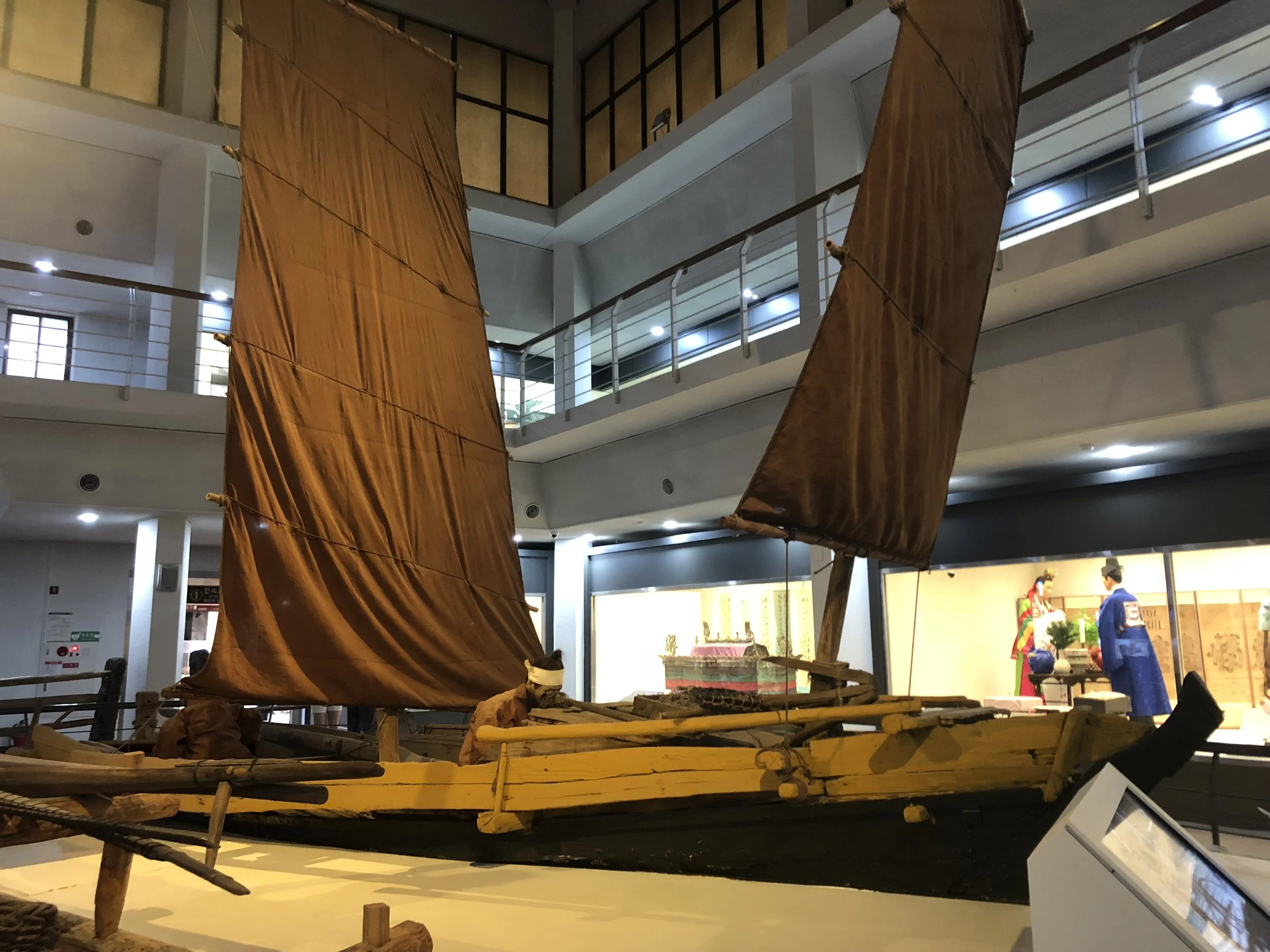
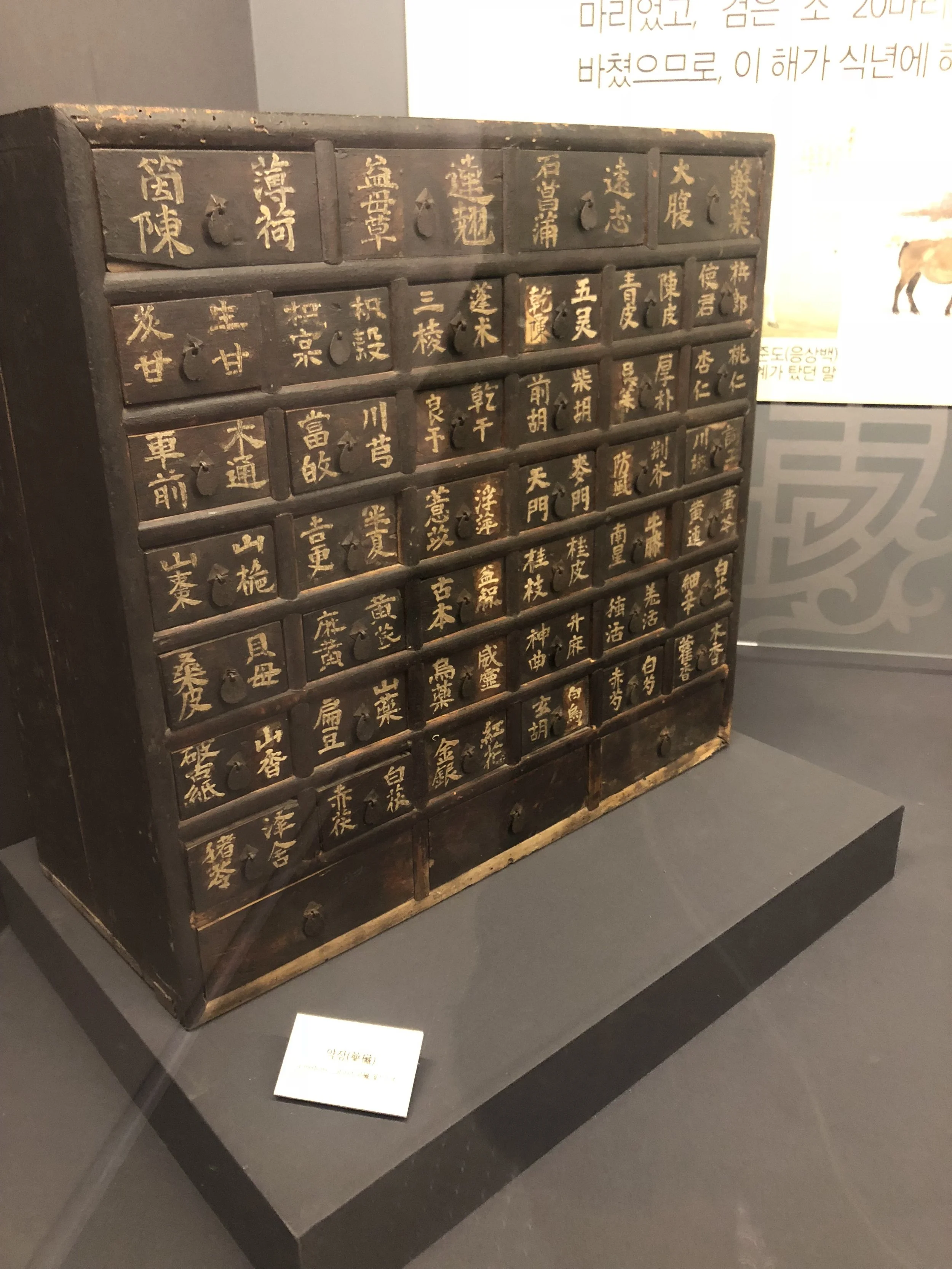
In 2019, I began building out the world of When the Blue Moon Wakes during a research fellowship to Korea. I visited temples, palaces, lava caves, cliffs, museums, waterfalls, and mountains. I trekked to the highest point in South Korea (Mt Hallasan) and visited the Natural History Museum & Haenyeo Museum. I went scuba diving off the coast and attended an introductory Korean language class with a focus on the history of the Korean language.
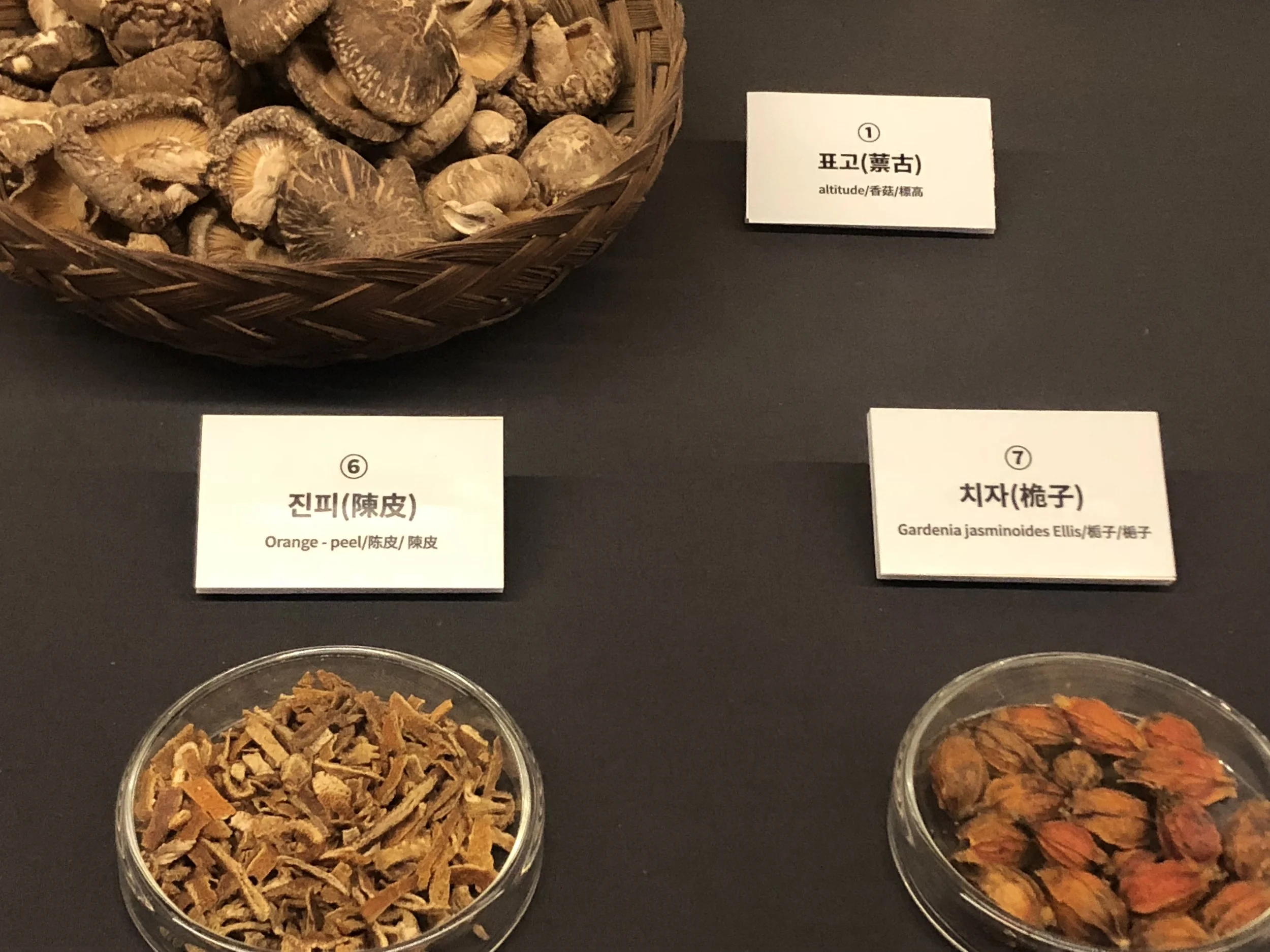
Pictured below is a small selection of photos from the thousands of images, videos and sound recordings I collected on this trip. You’ll notice that many of these photos feature unusual yet specific details about the landscape: mushrooms, moss, light / wind / shadow play, weather, cloud patterns, rocks and sediment. This was because I was influenced by Robin Wall Kimmerer’s novel, Braiding Sweetgrass, at the time - a novel which focusses on Indigenous Wisdom. I was especially affected by Kimmerer’s explanation of how the differing drip-patterns after rain carry their own story signature:
“Sshhhhh from rain, pitpitpit from hemlock, bloink from maple, and lastly popp of falling alder water. Alder drops make a slow music. It takes time for fine rain to traverse the scabrous rough surface of an alder leaf. The drops aren't as big as maple drops, not enough to splash, but the popp ripples the surface and sends out concentric rings. I close my eyes and listen to the voices of the rain... The reflecting surface of the pool is textured with their signatures, each one different in pace and resonance. Every drip it seems is changed by its relationship with life, whether it encounters moss or maple or fir bark or my hair. And we think of it as simply rain, as if it were one thing, as if we understood it. I think that moss knows rain better than we do, and so do maples. Maybe there is no such thing as rain; there are only raindrops, each with its own story.” - Kimmerer
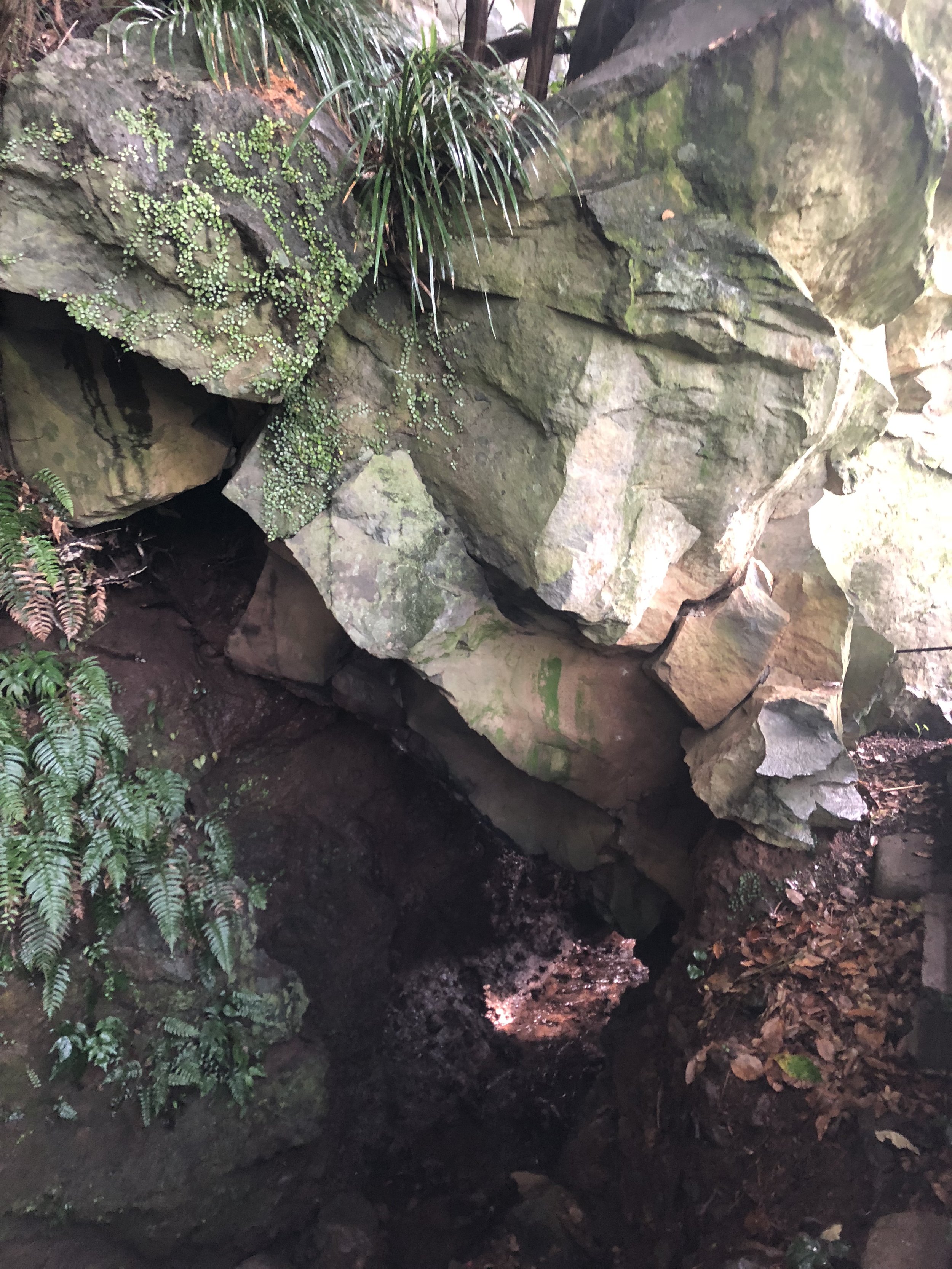
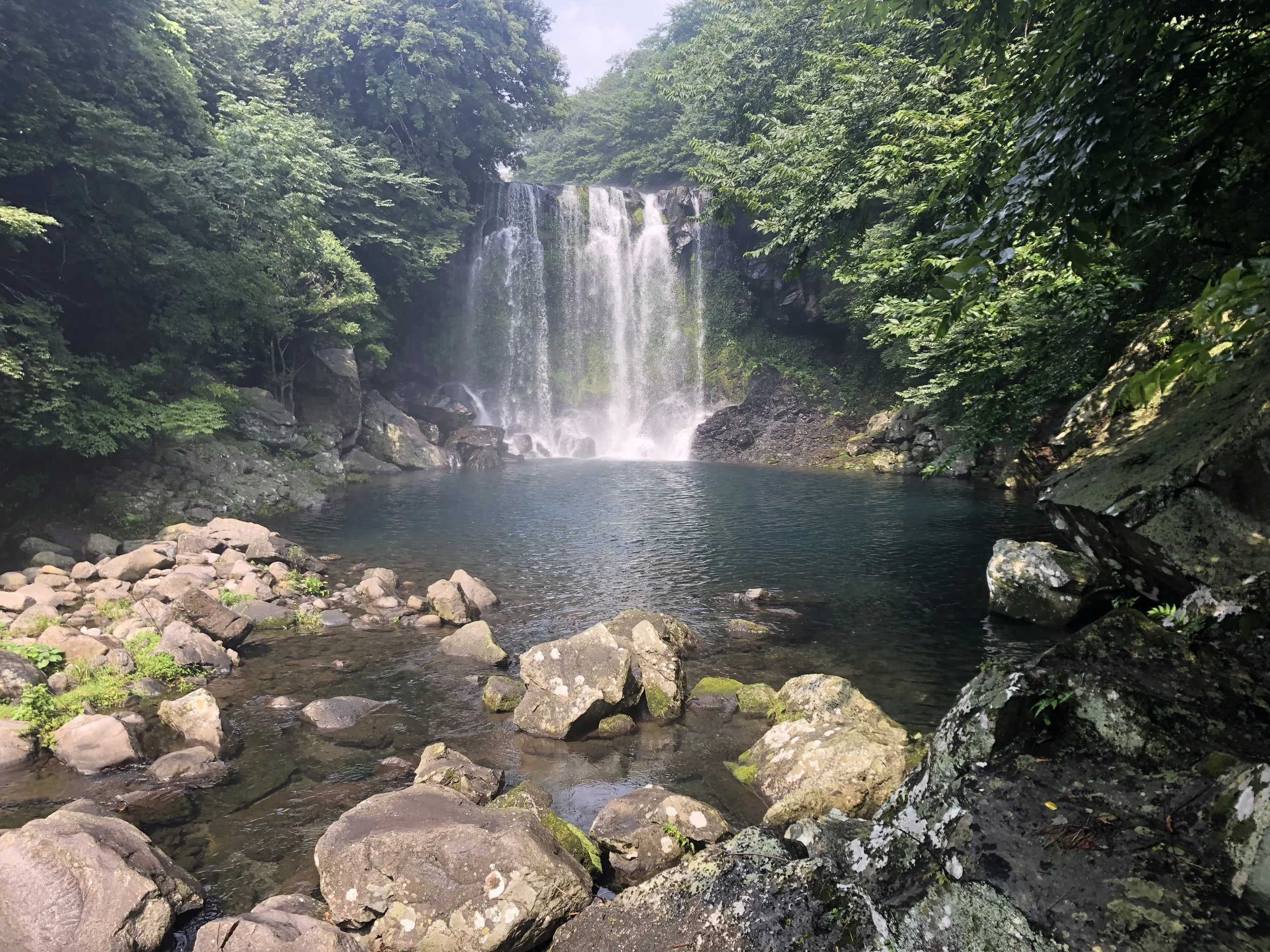
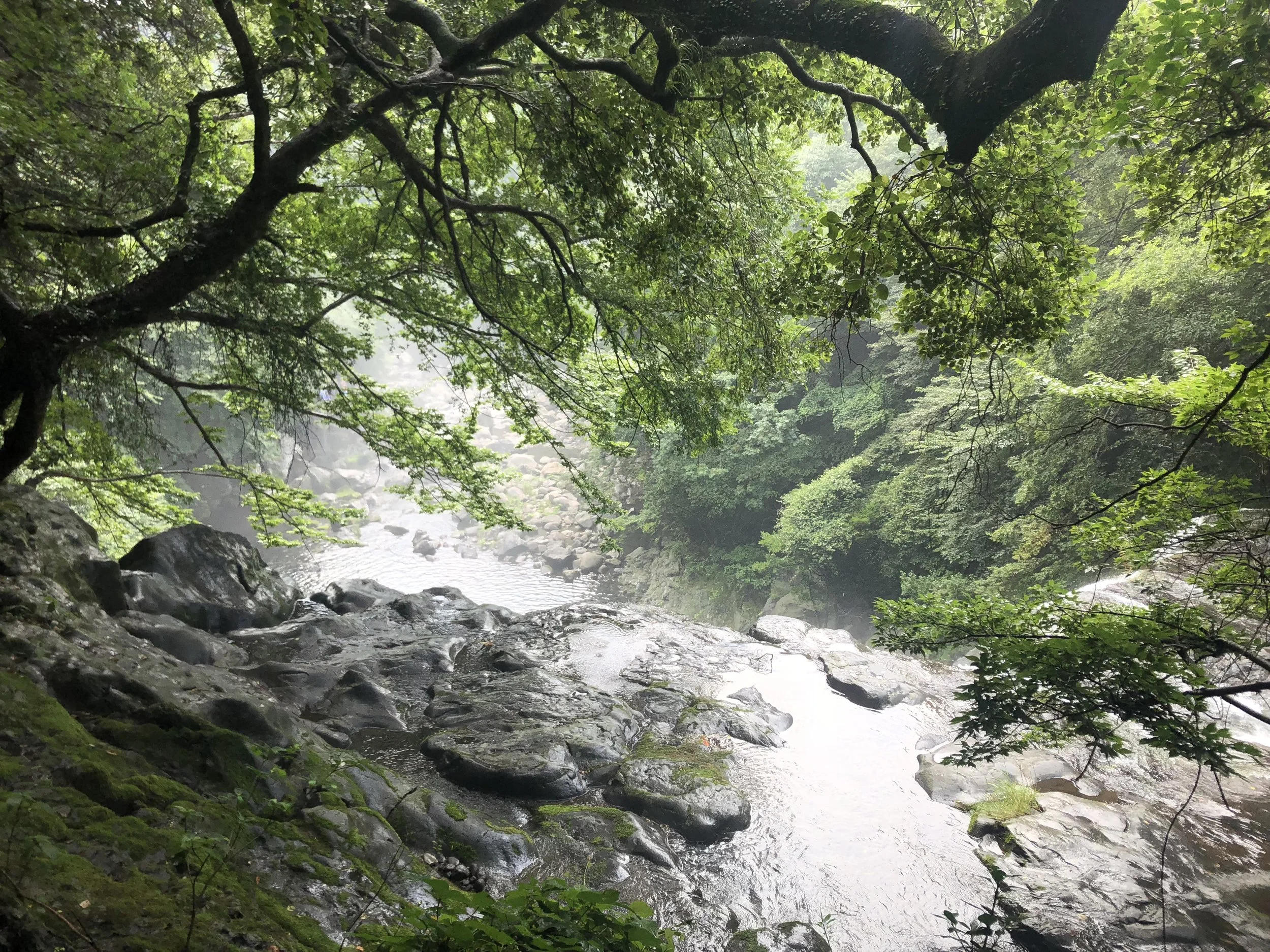
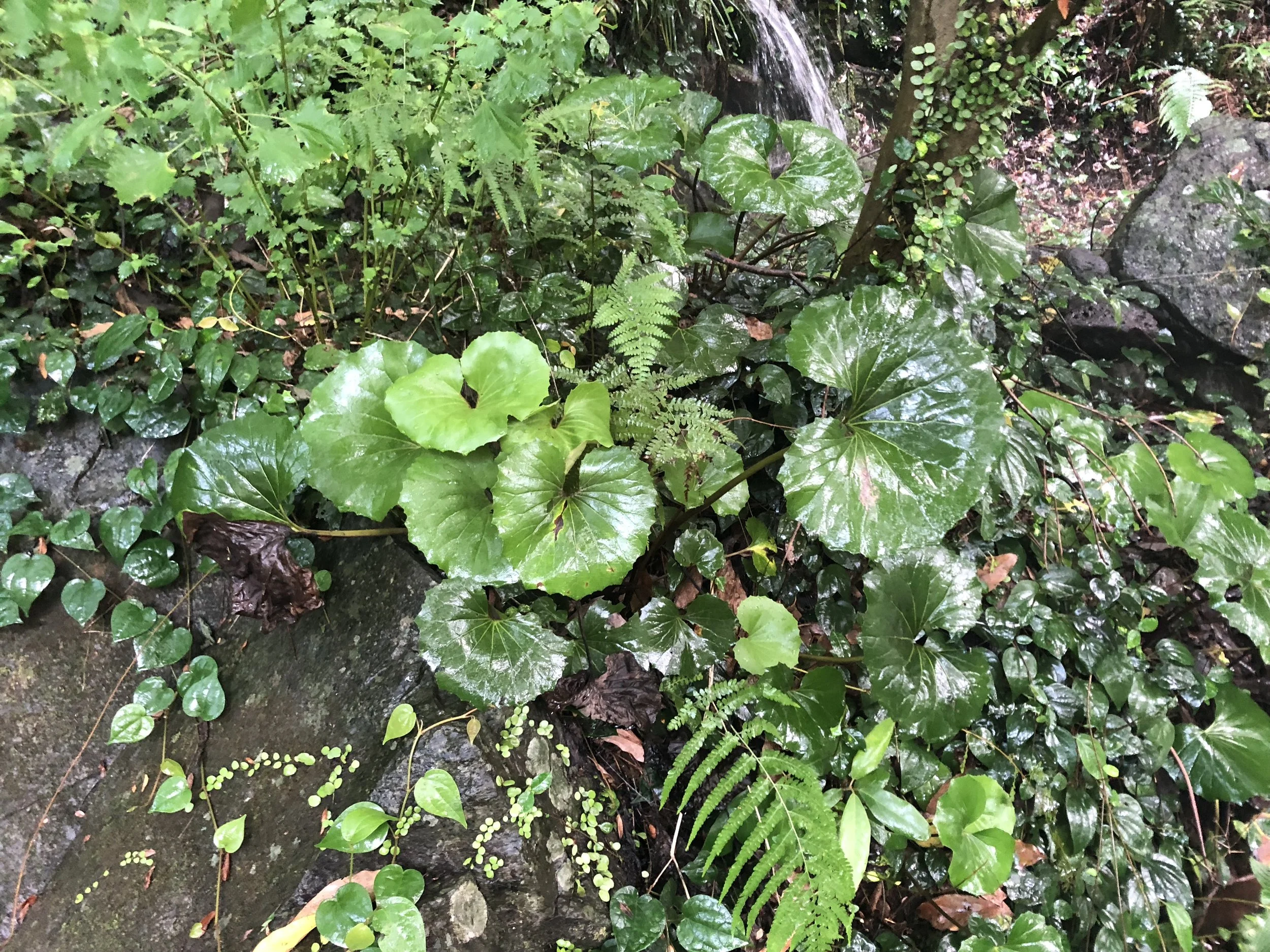
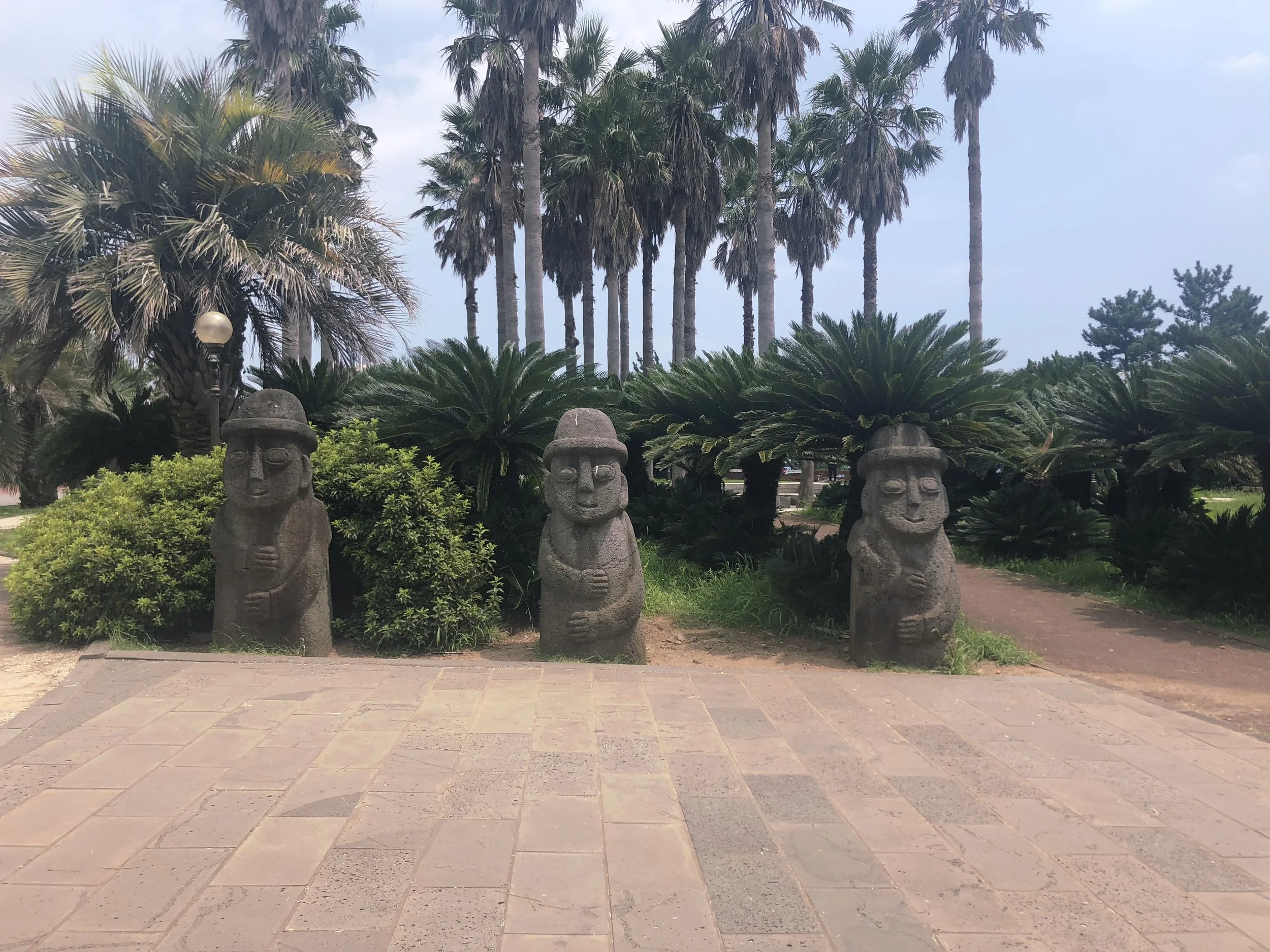
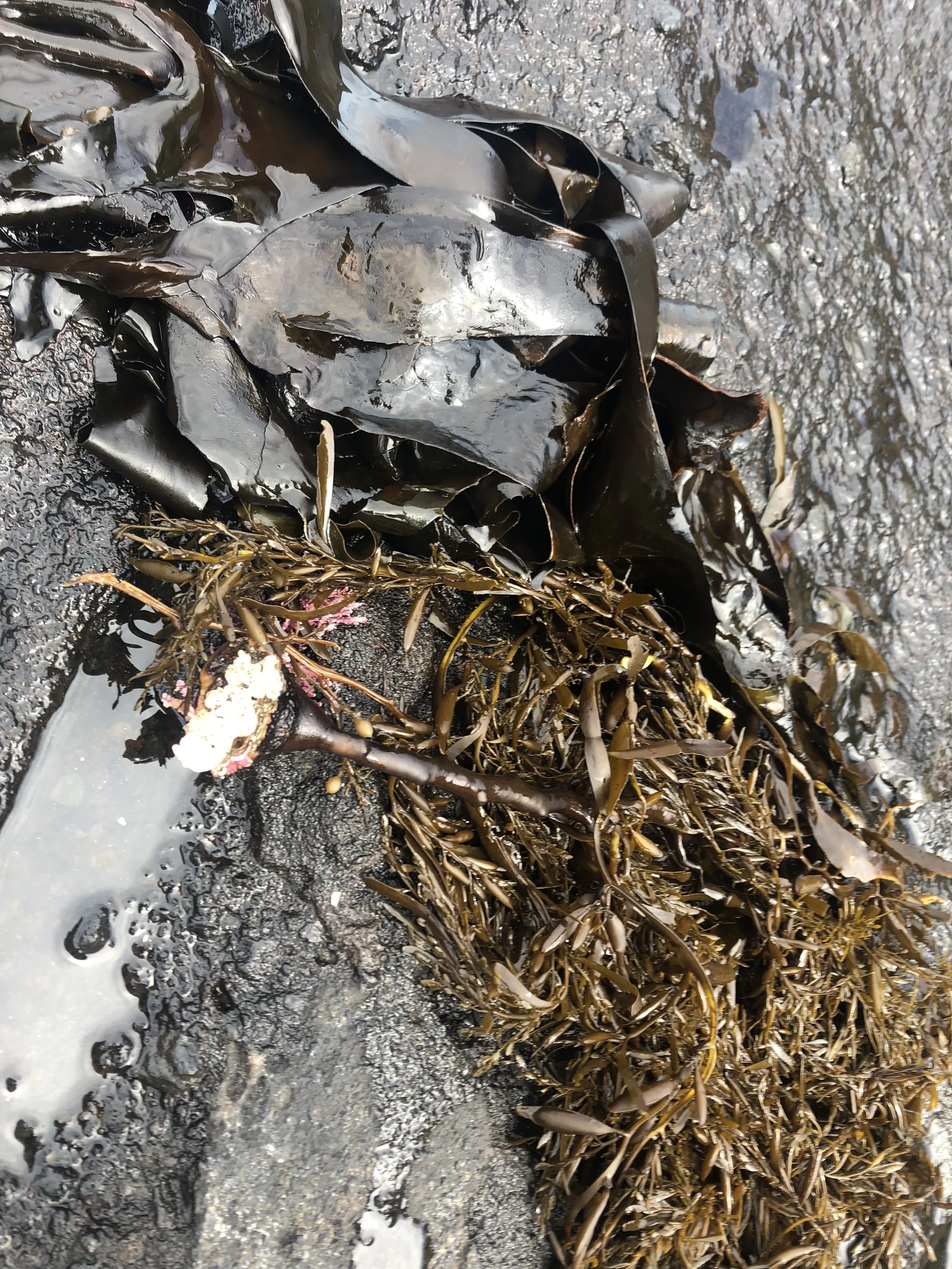
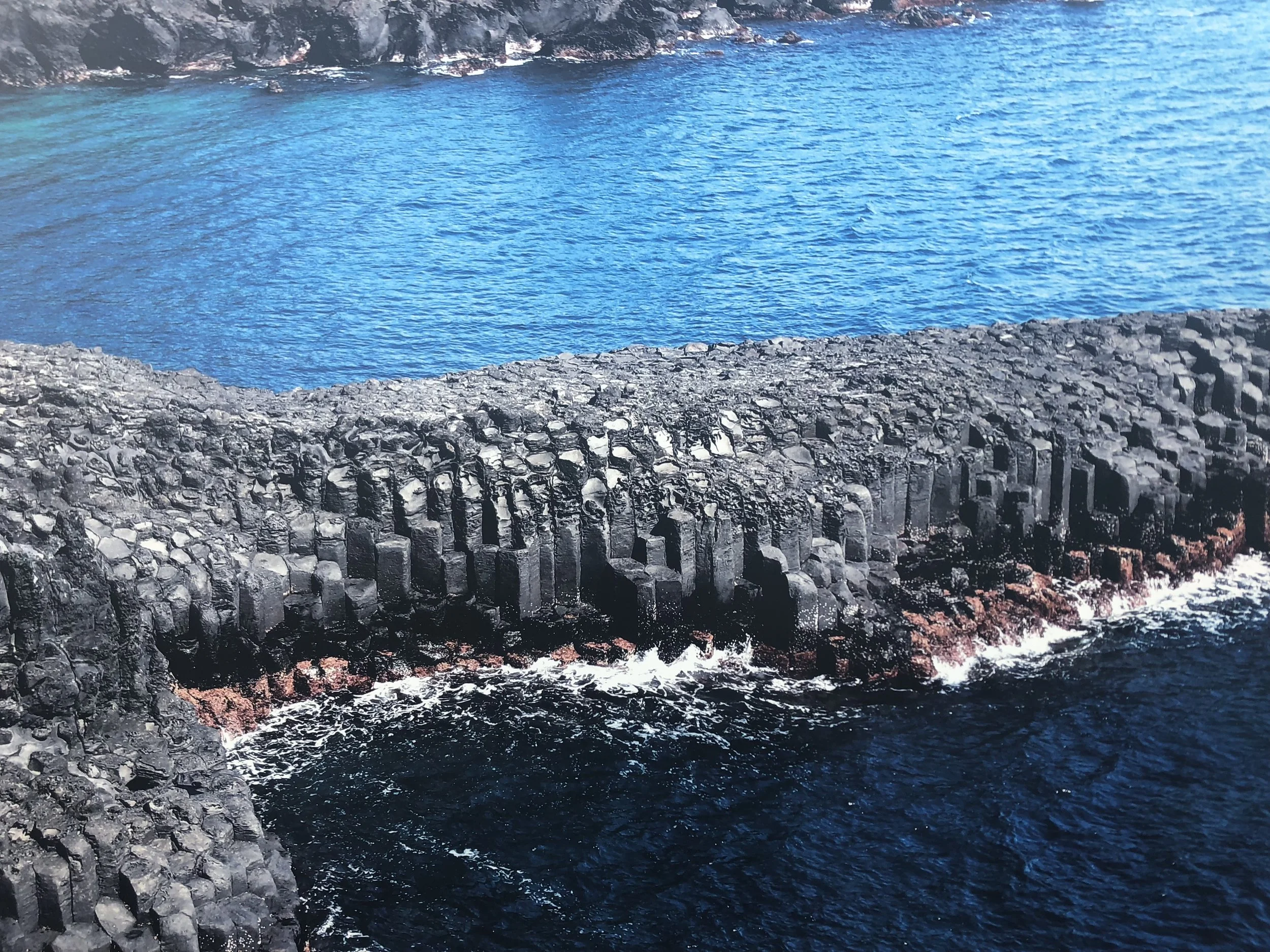
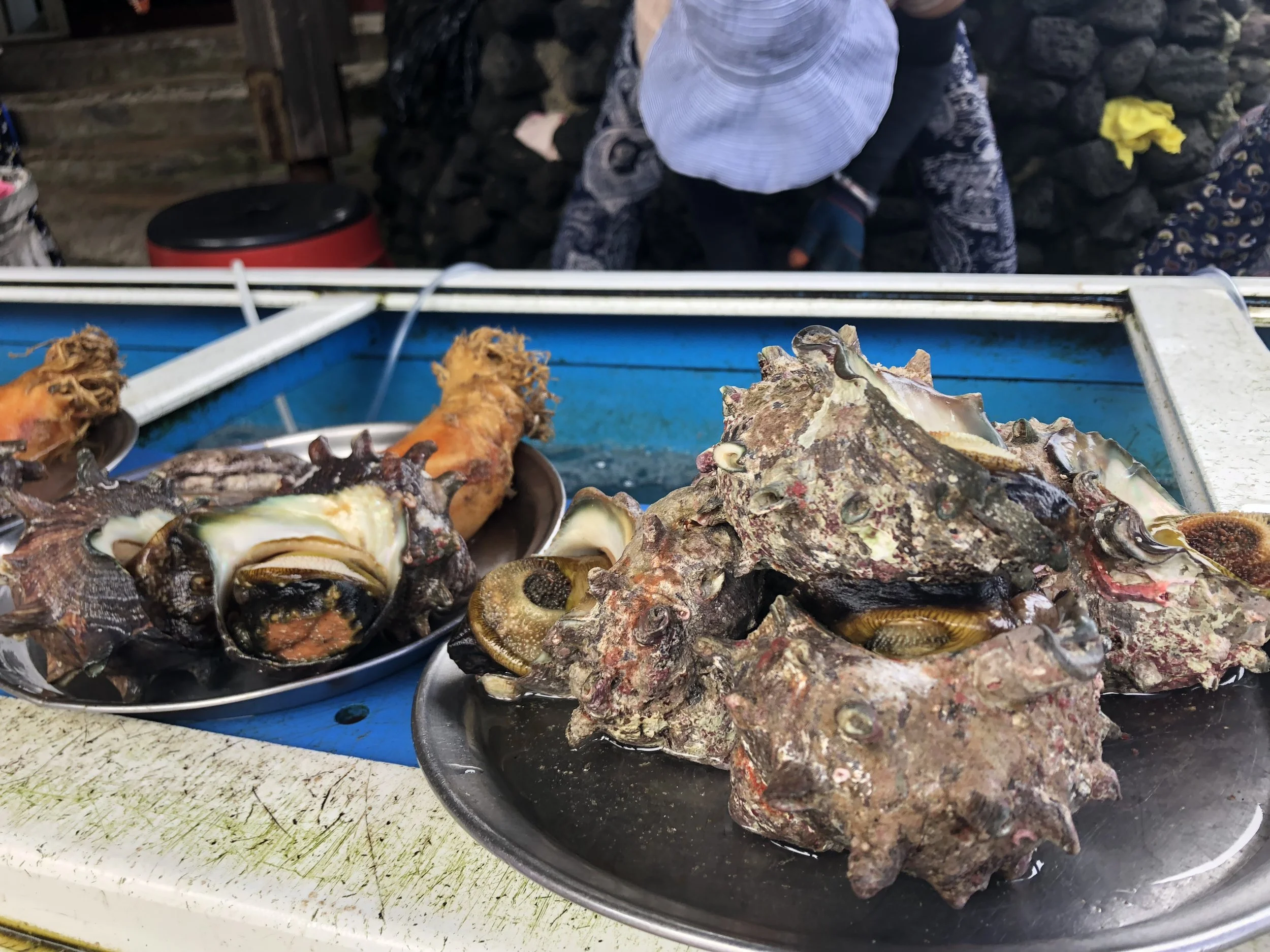
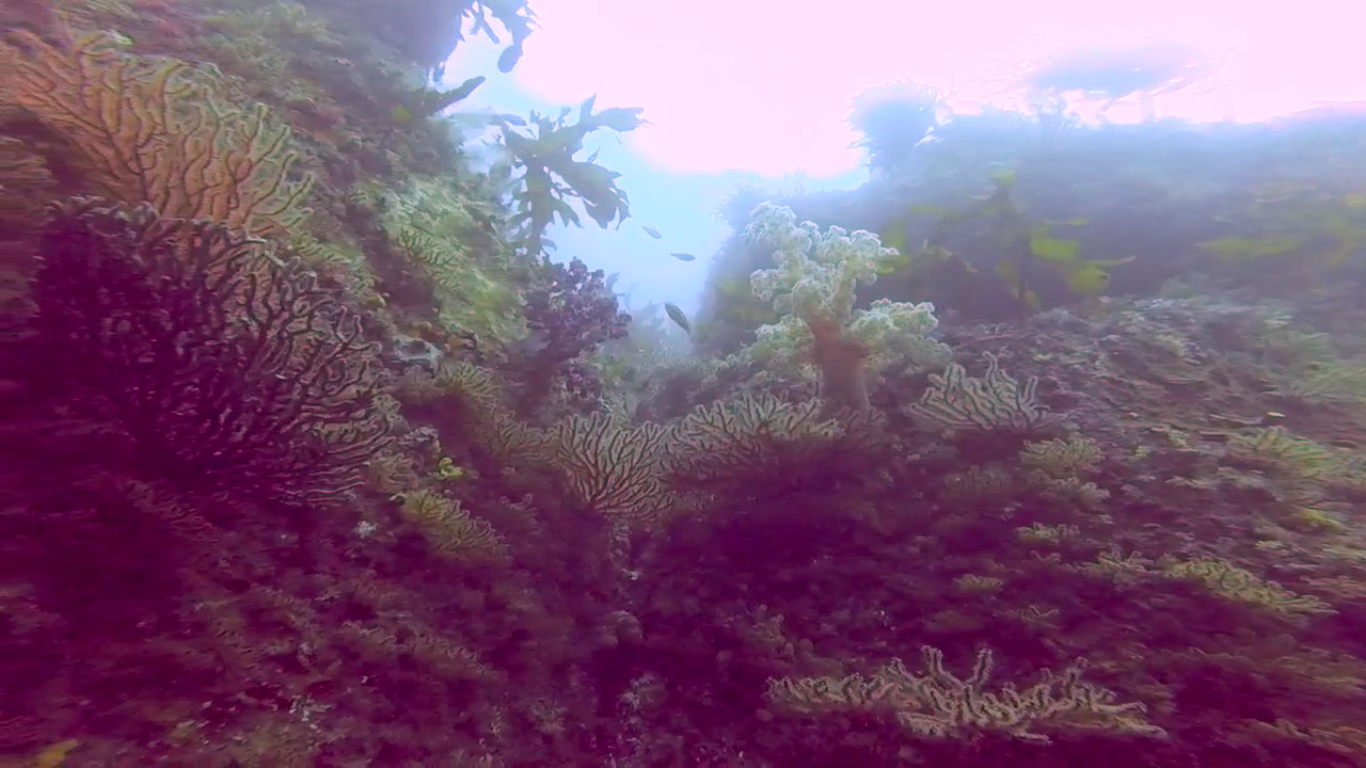
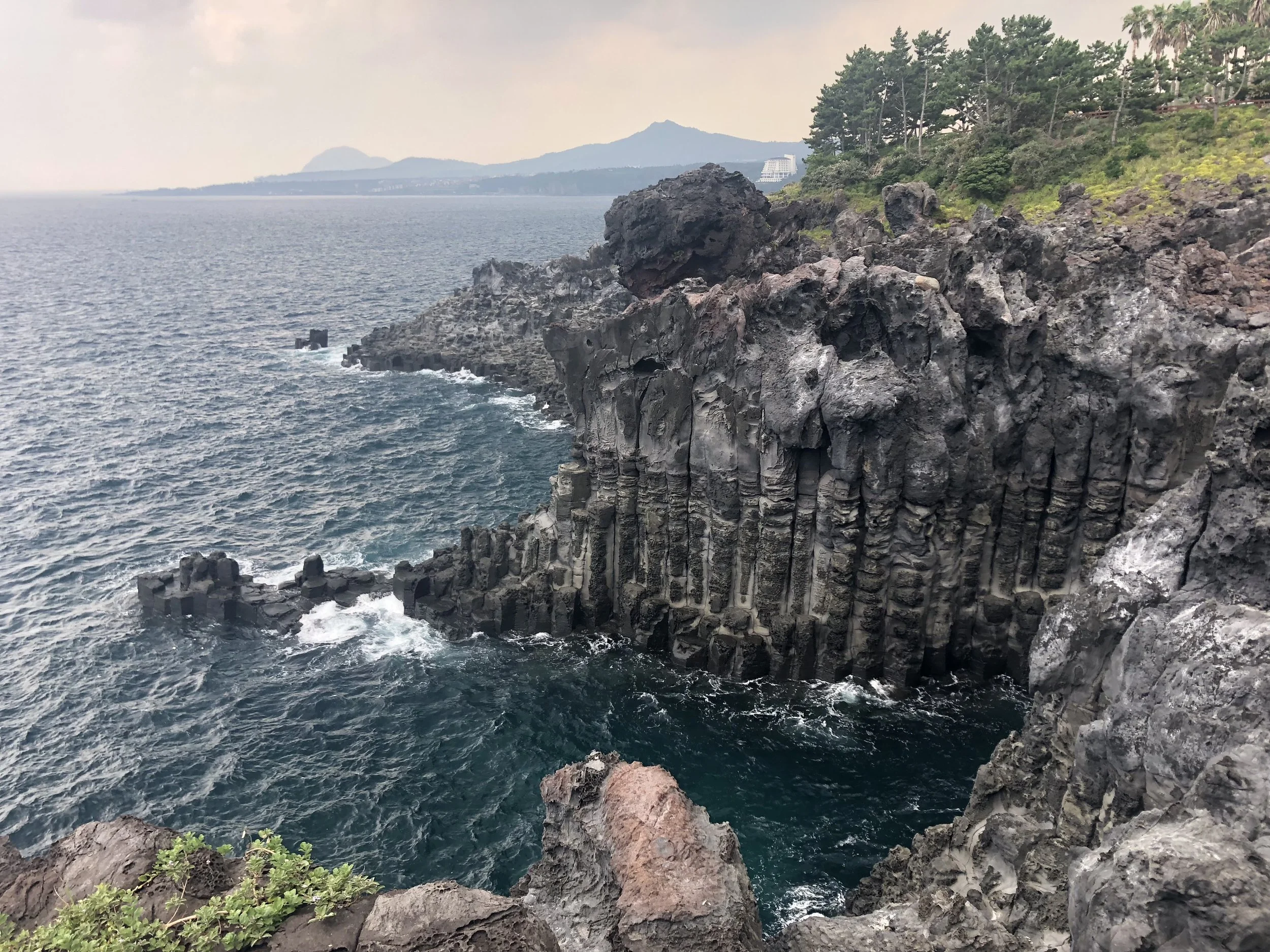
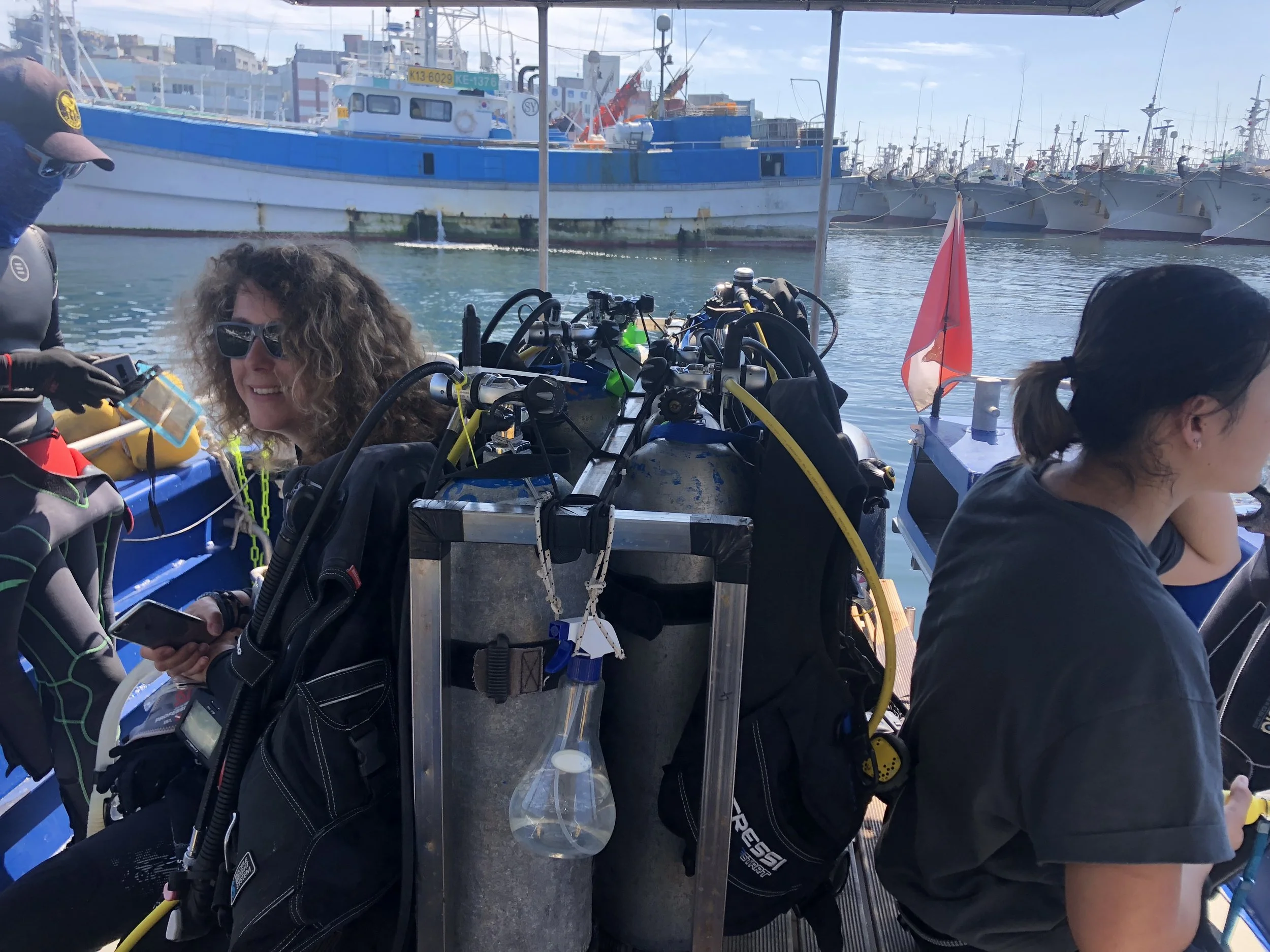
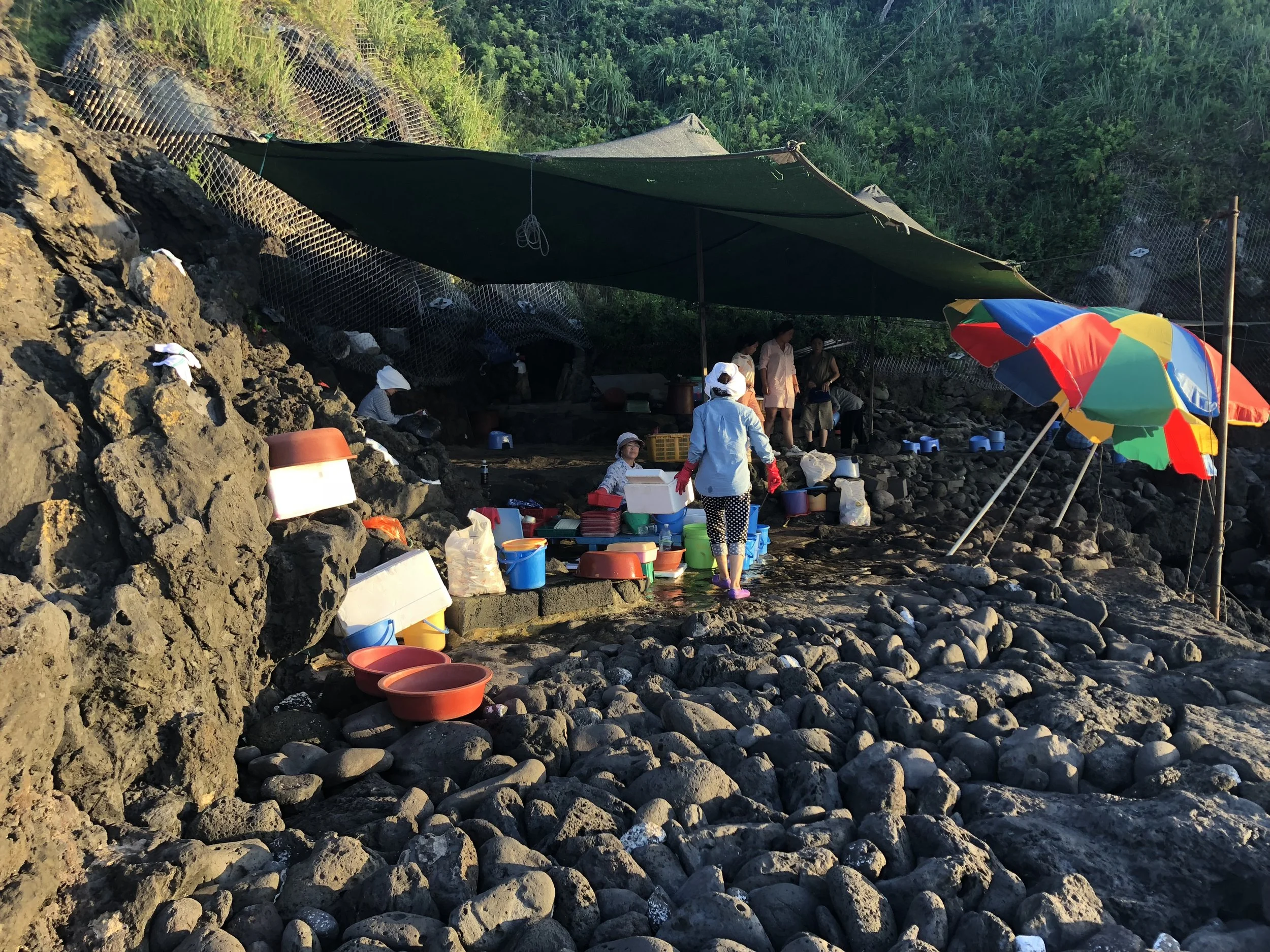
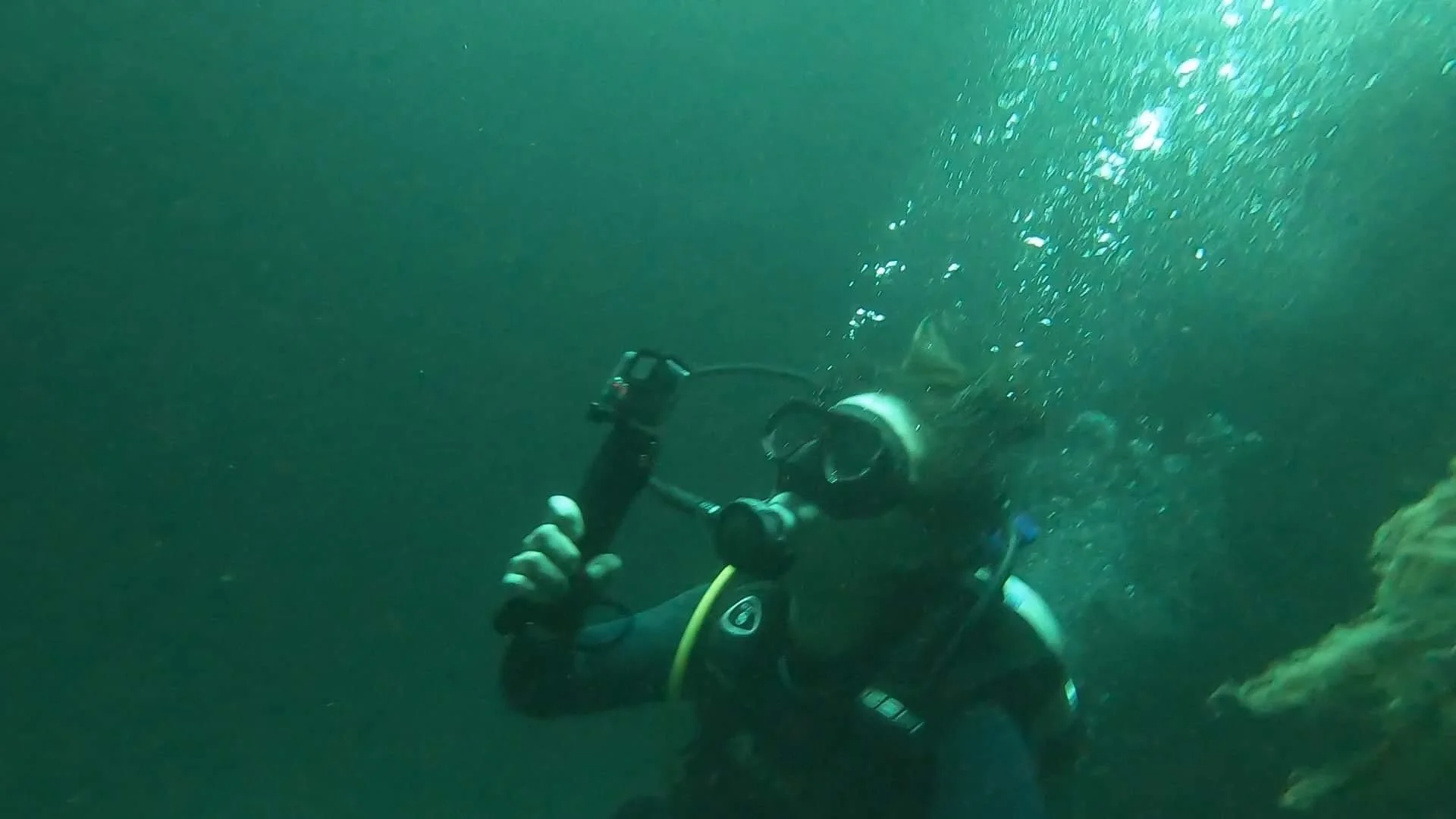
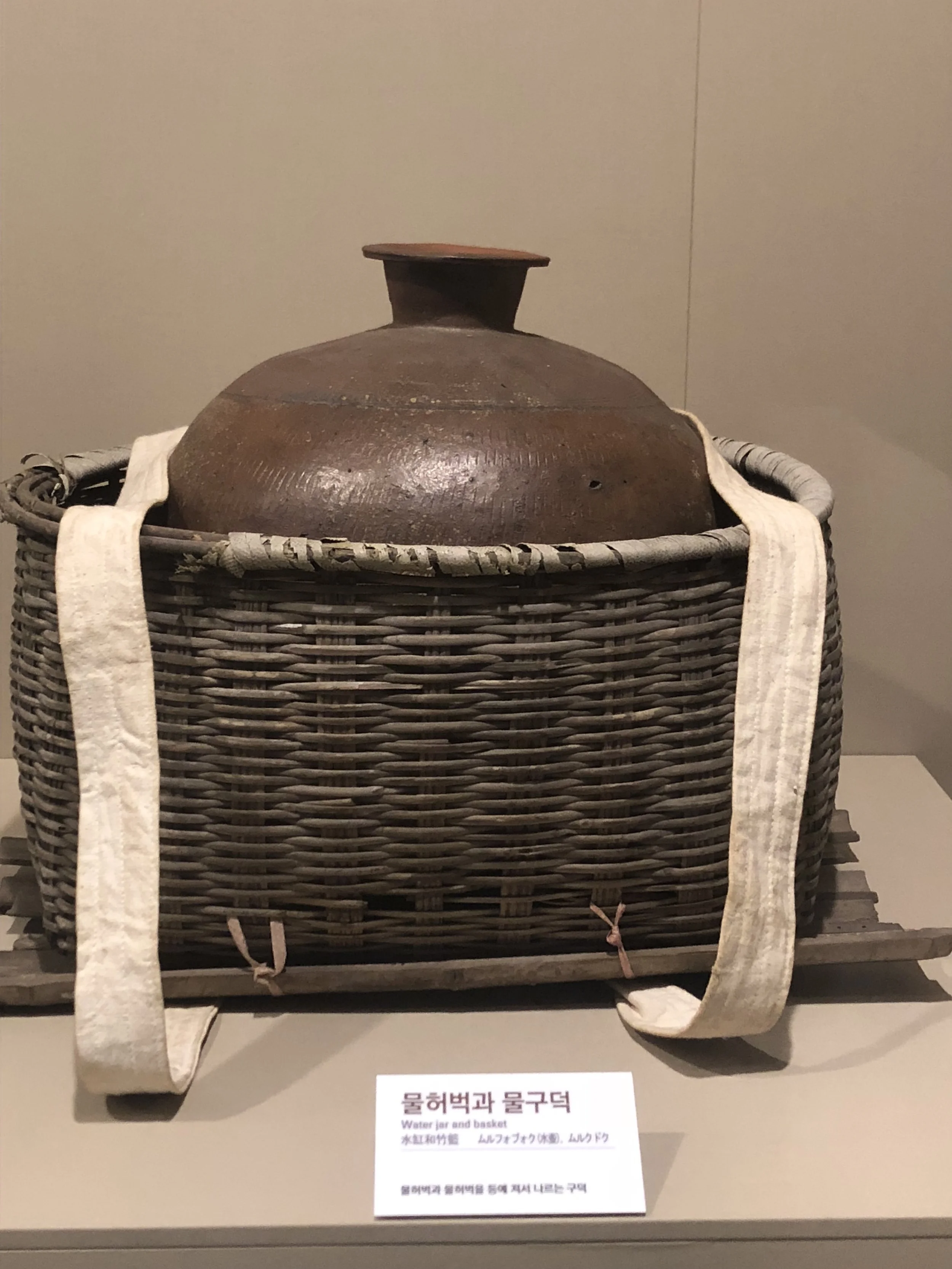
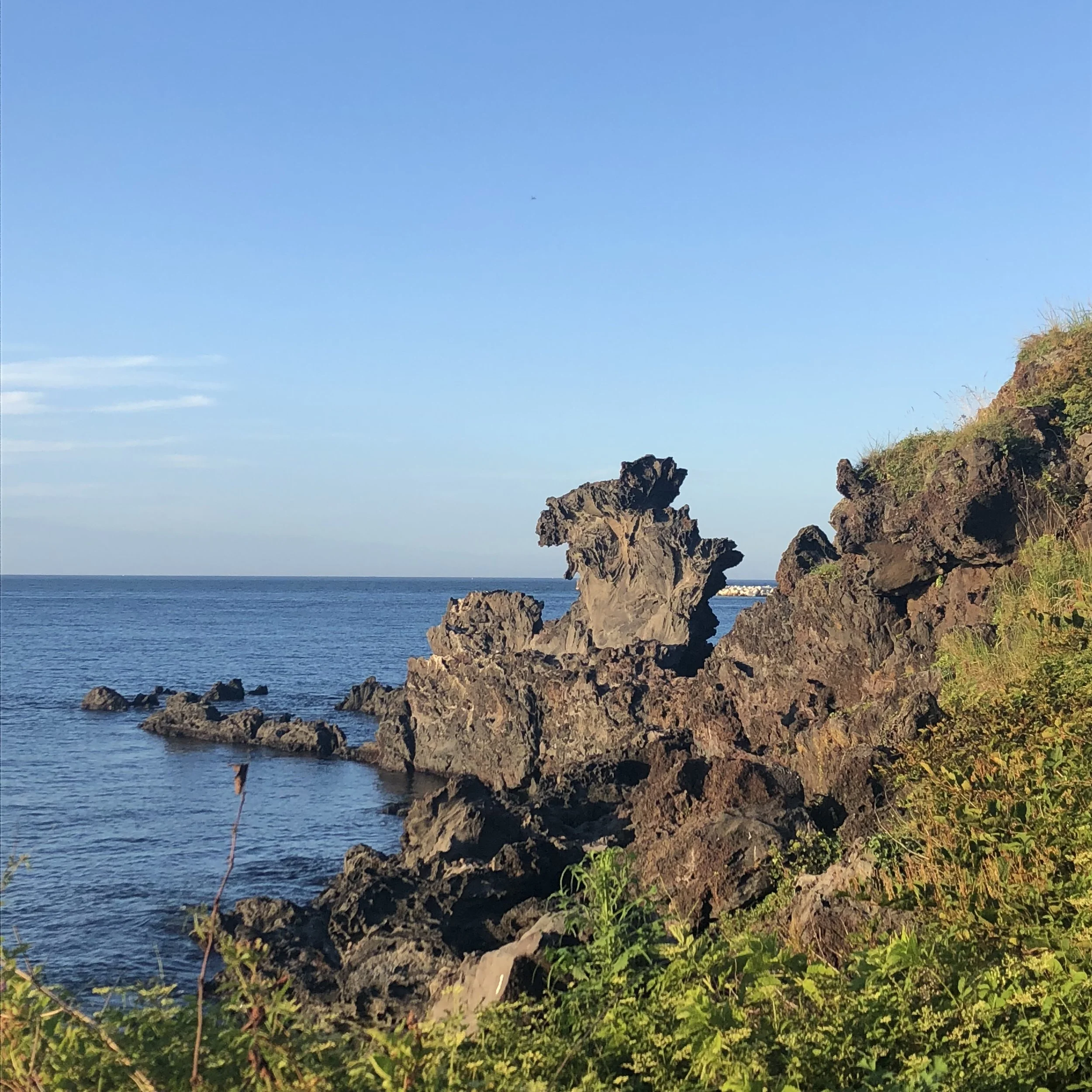

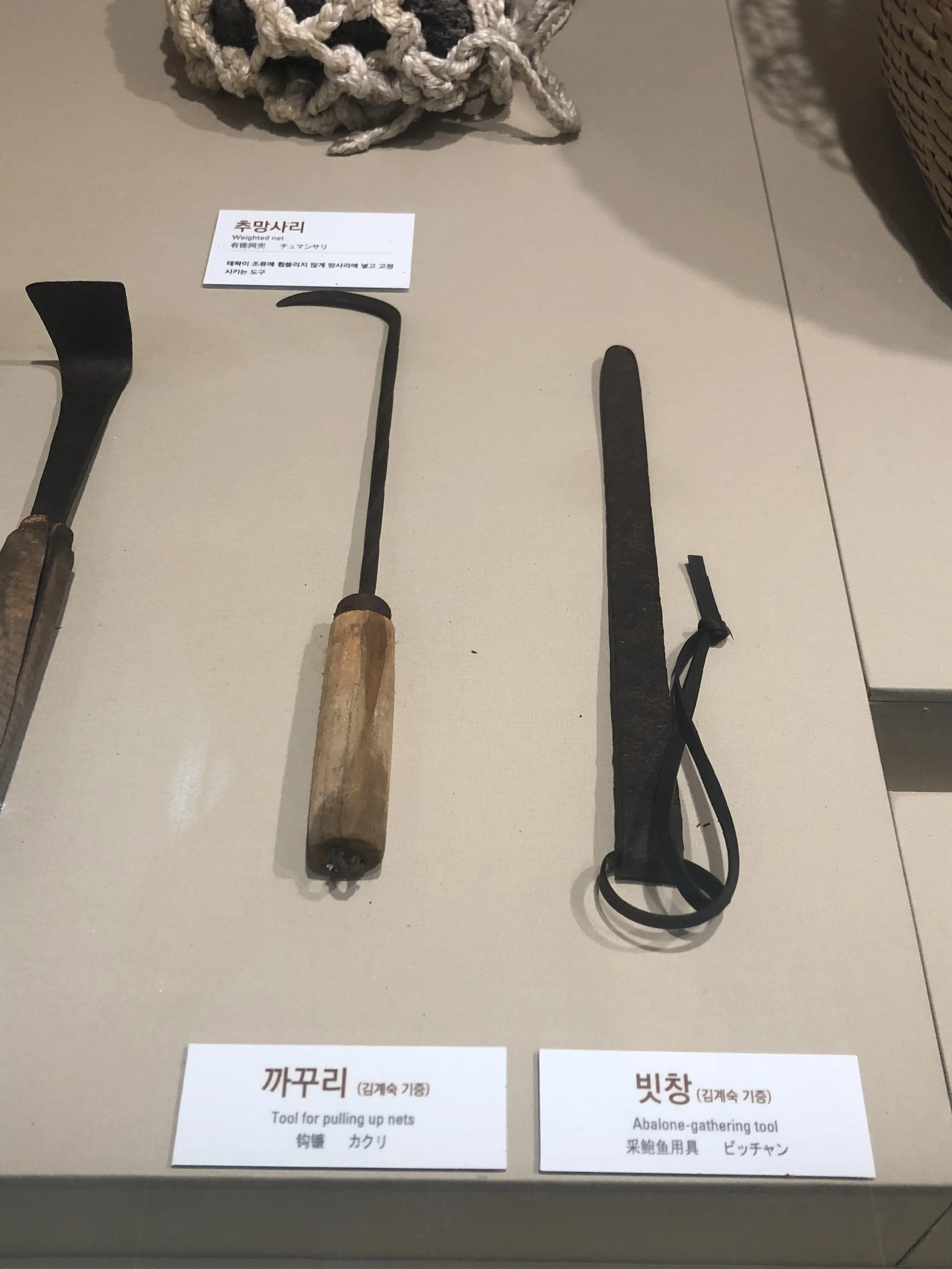
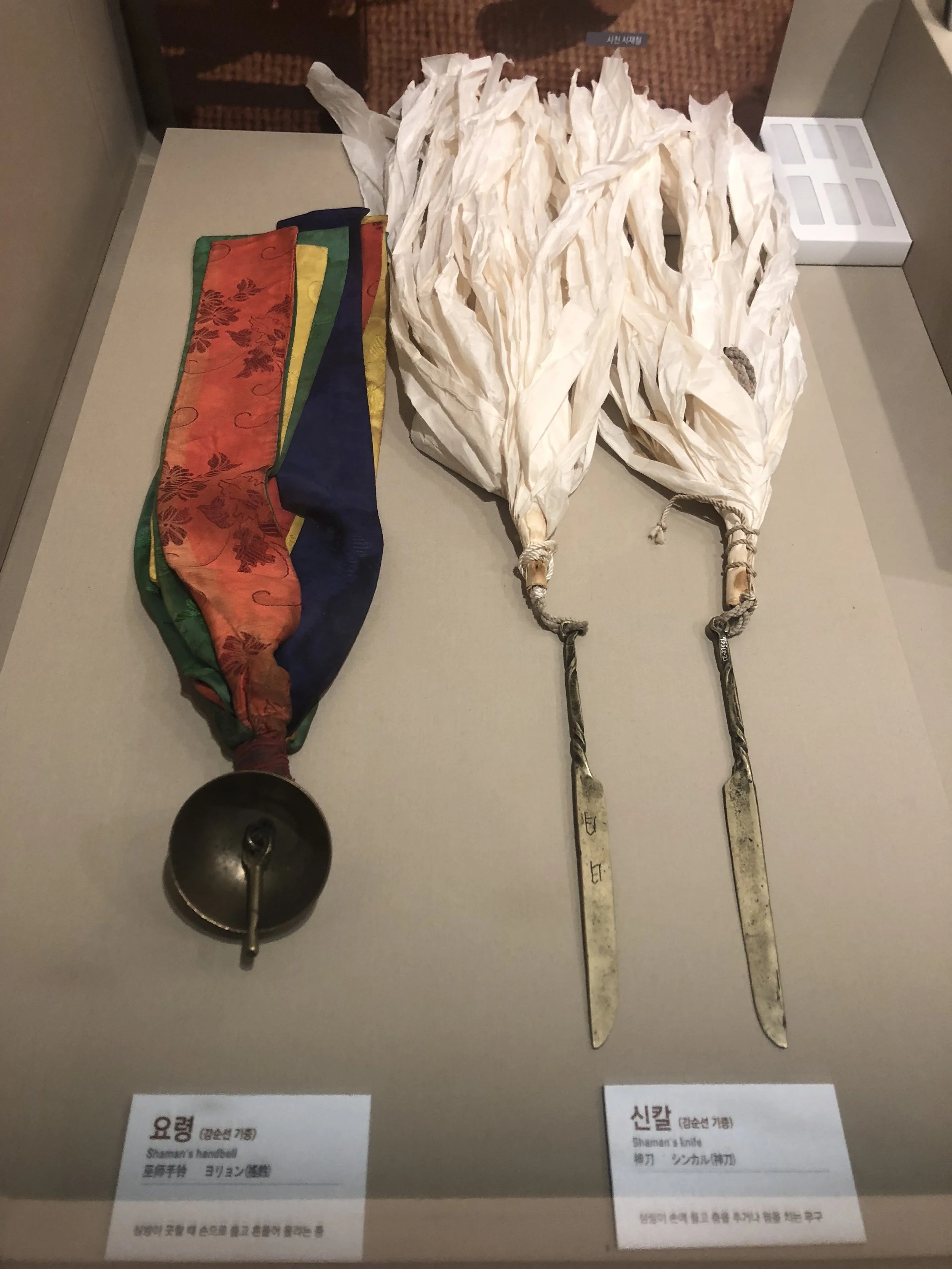
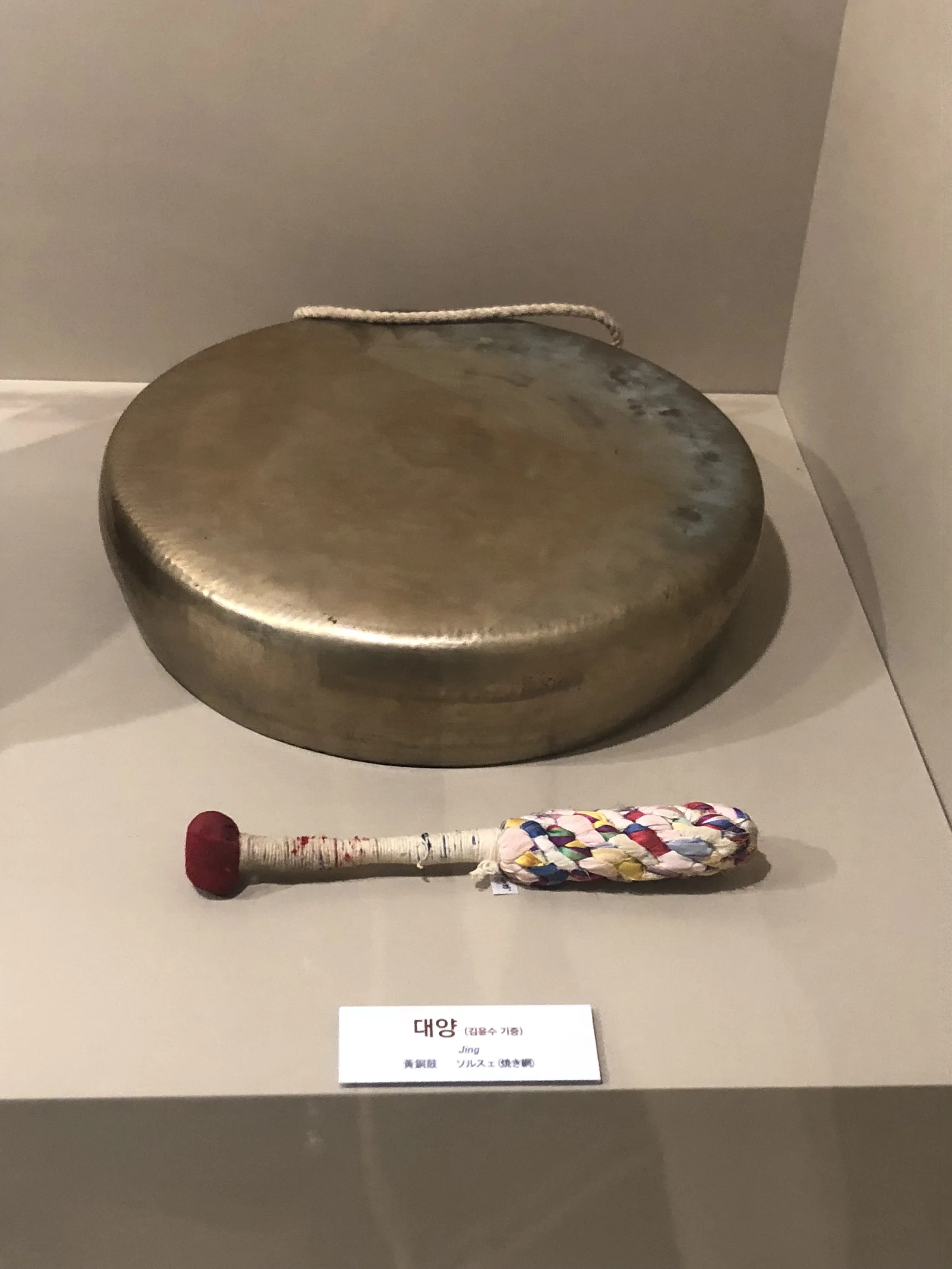
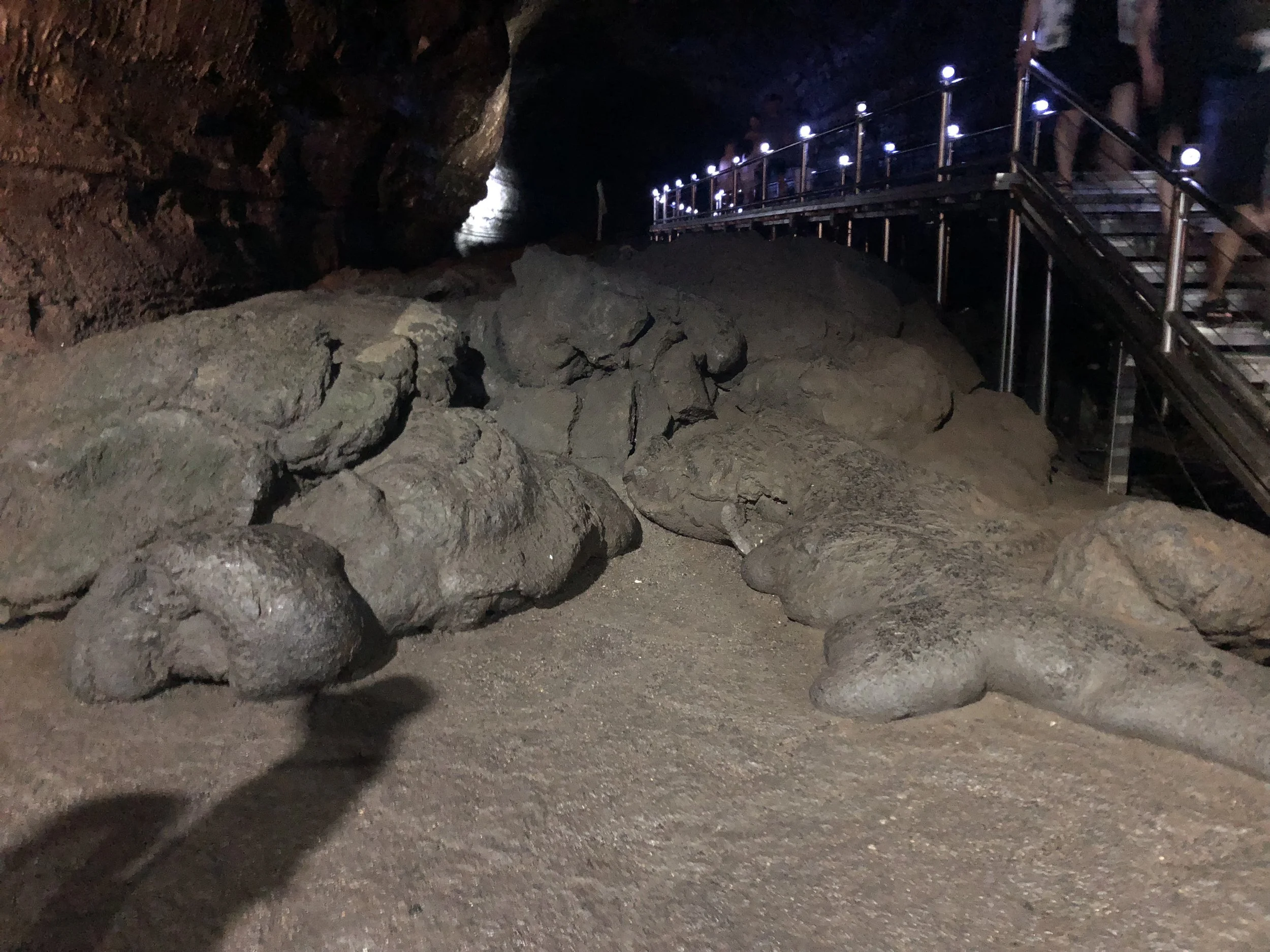
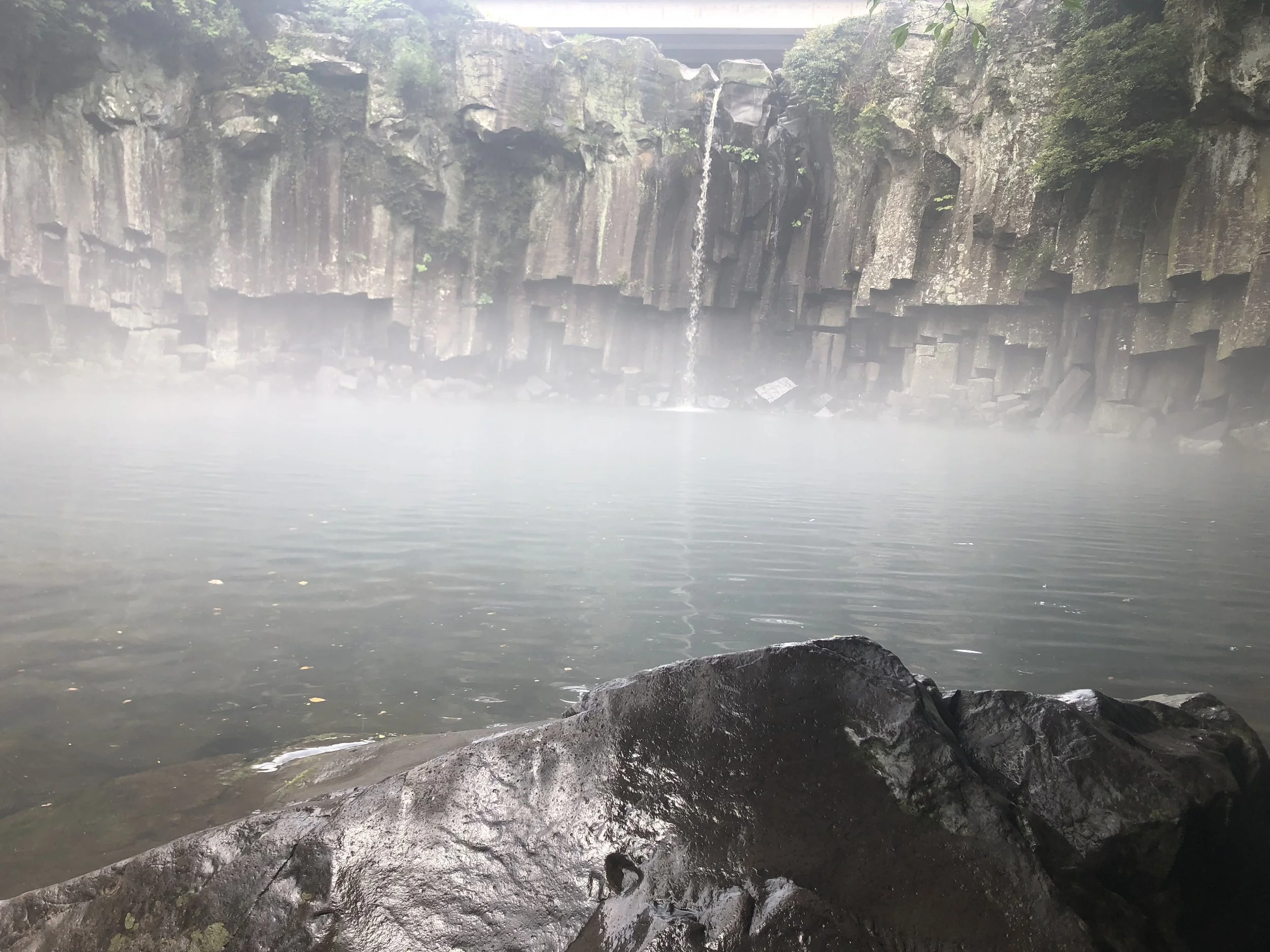
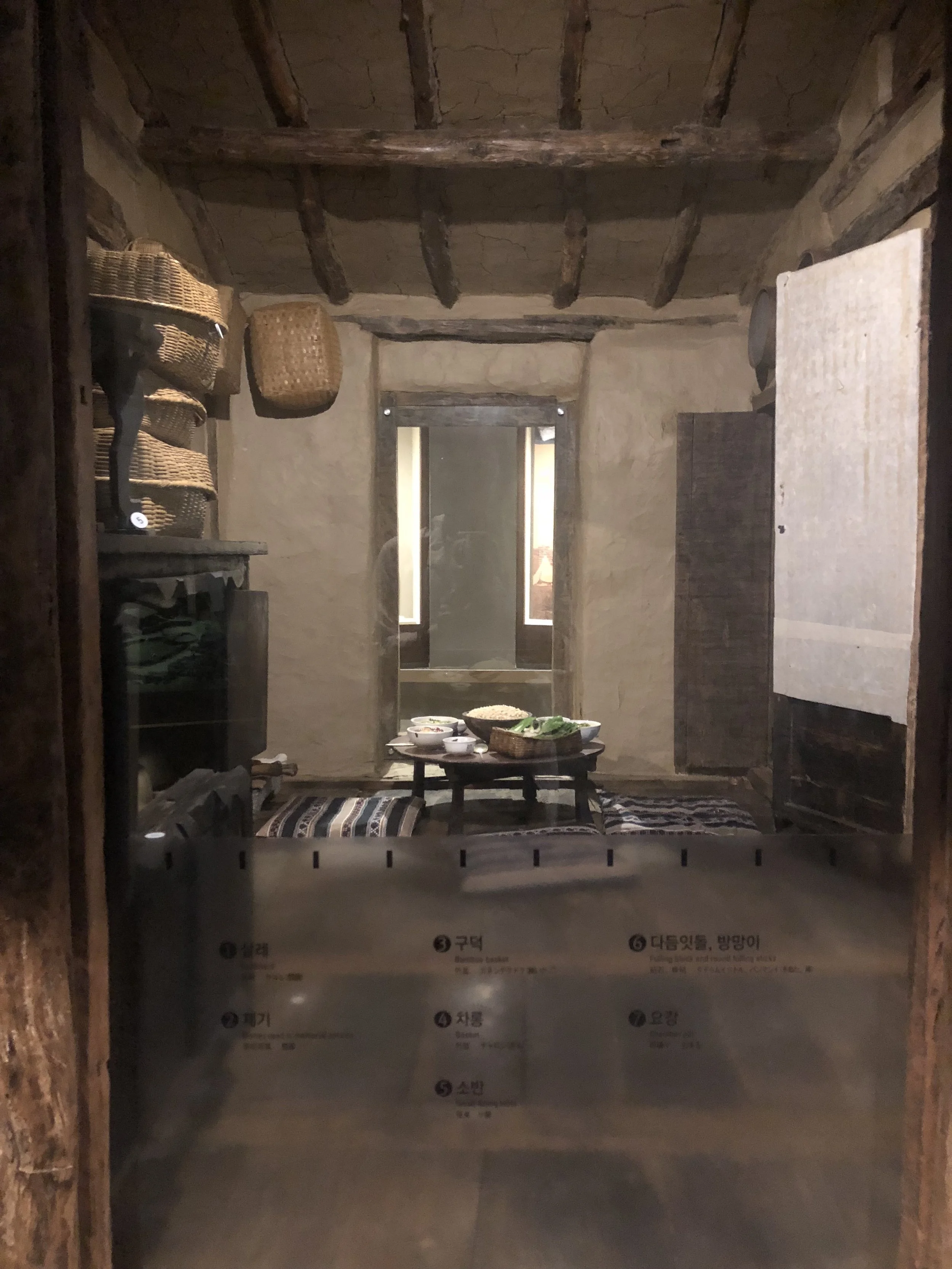
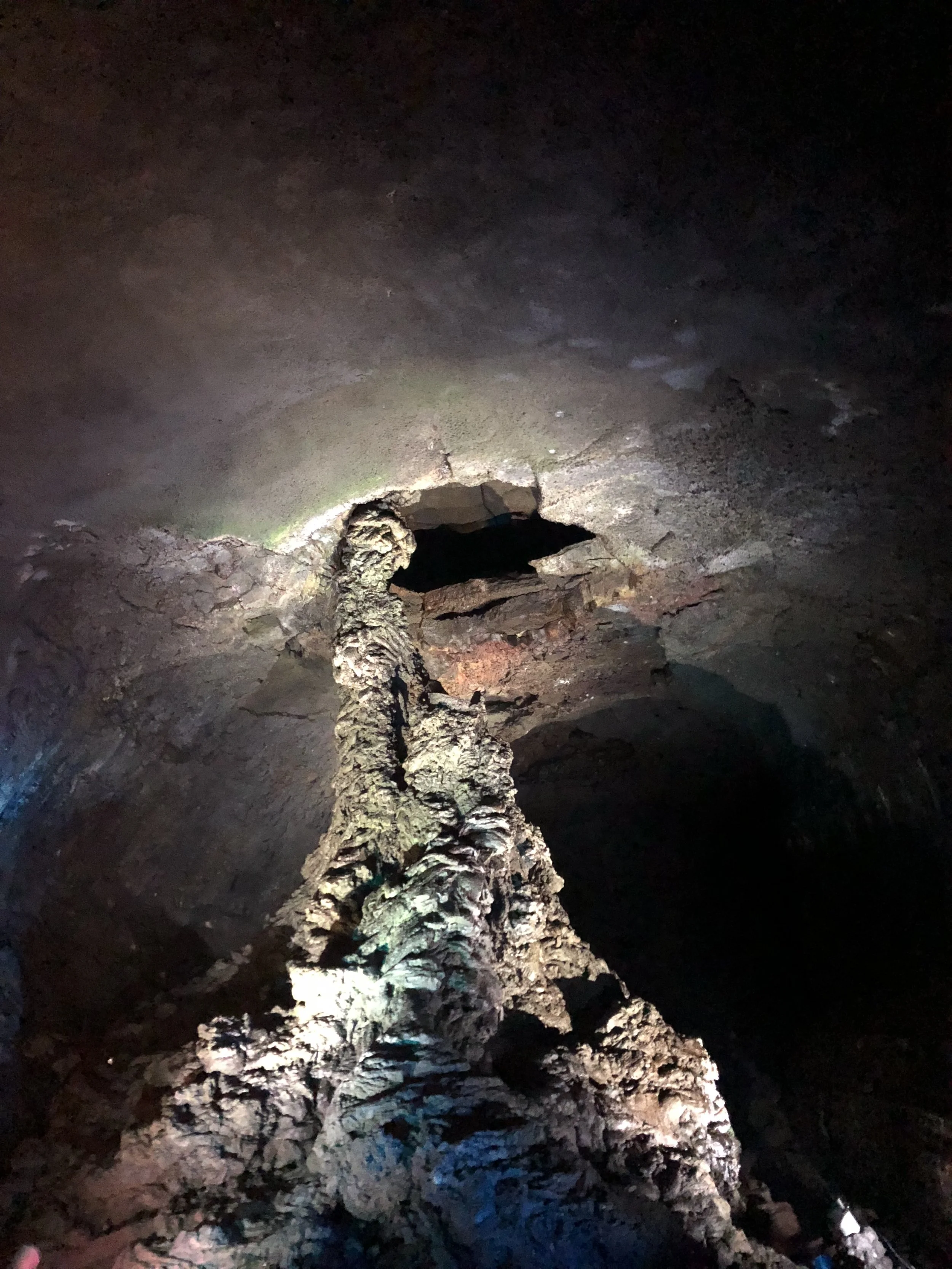
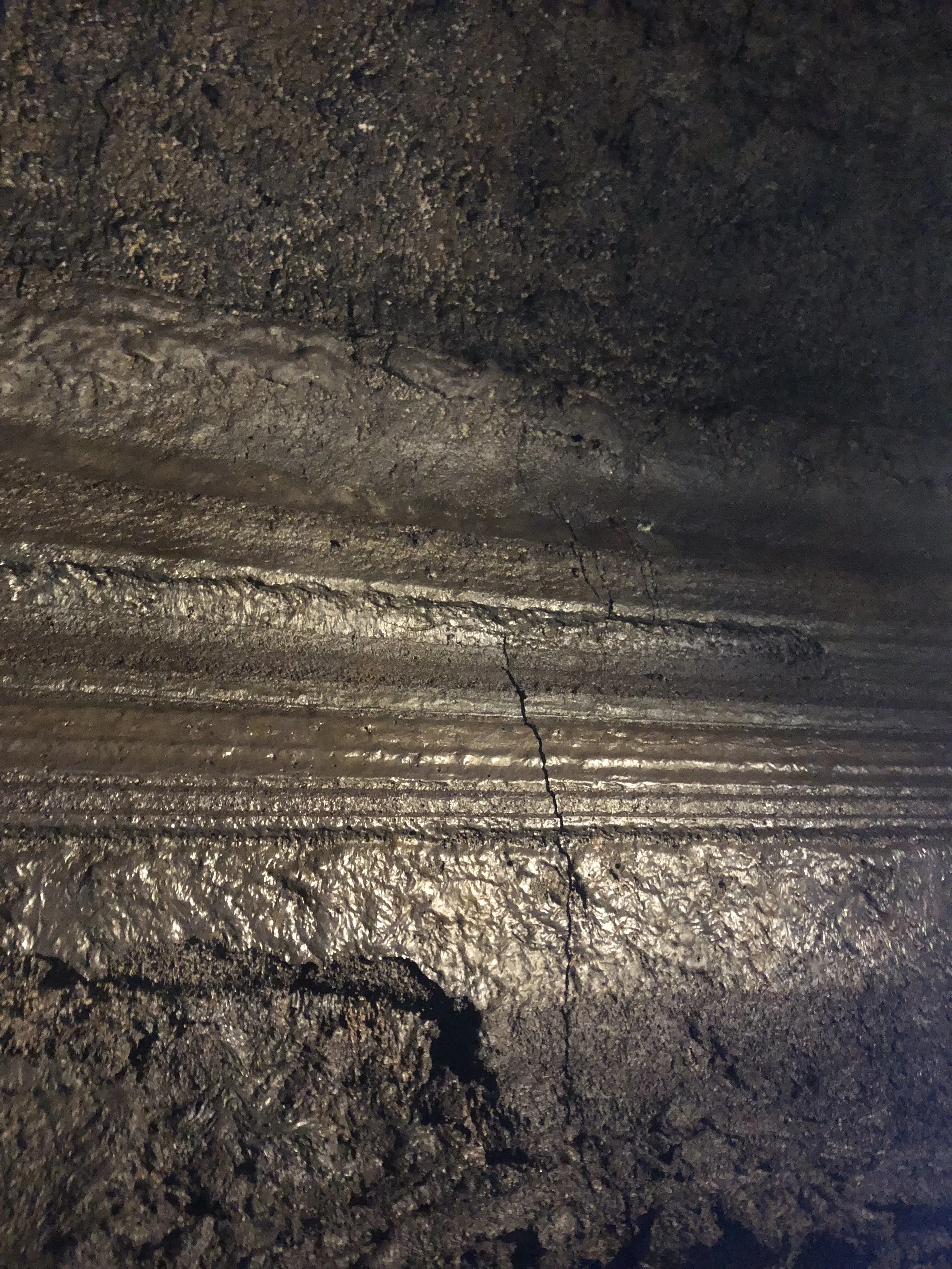
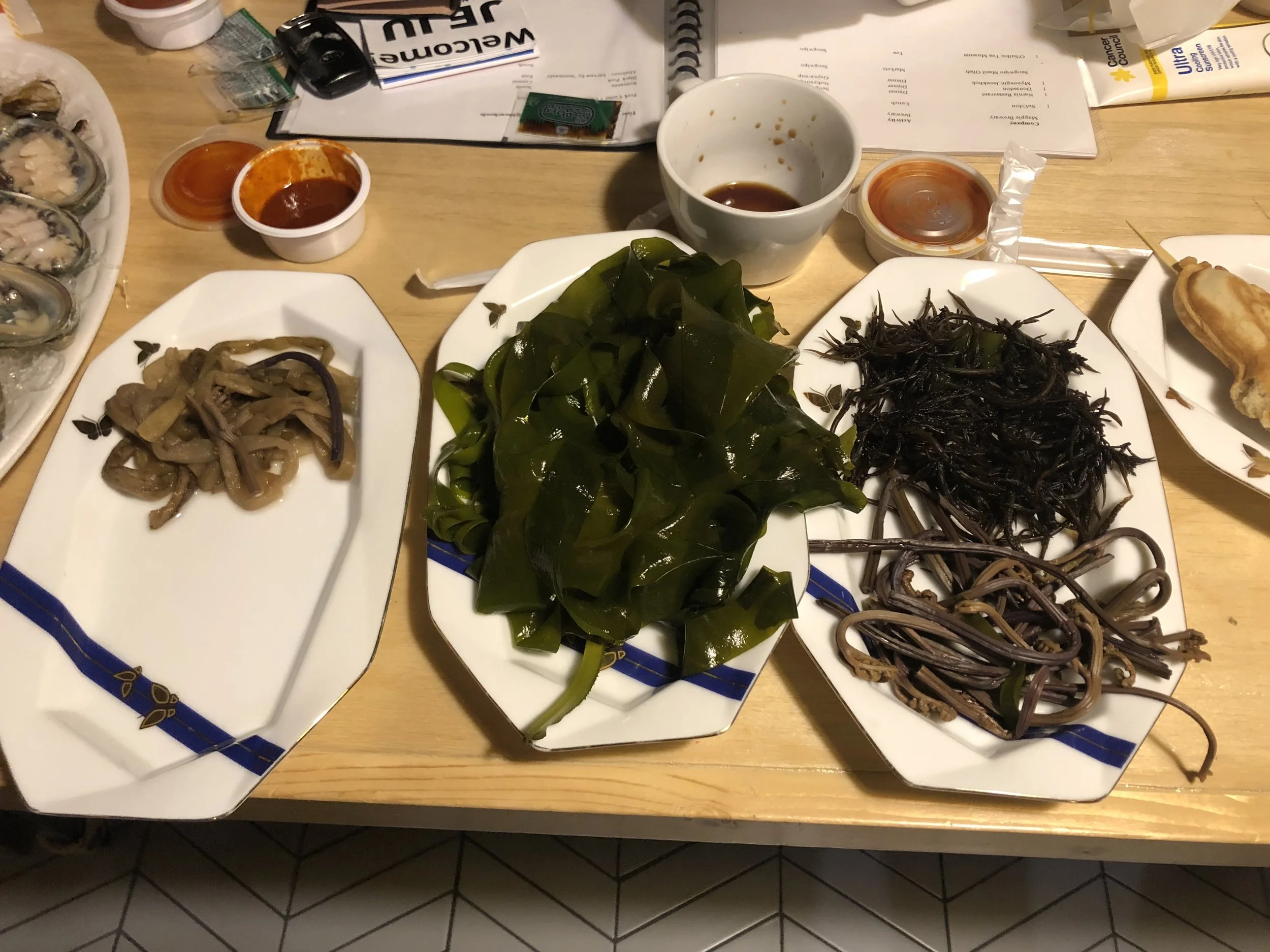
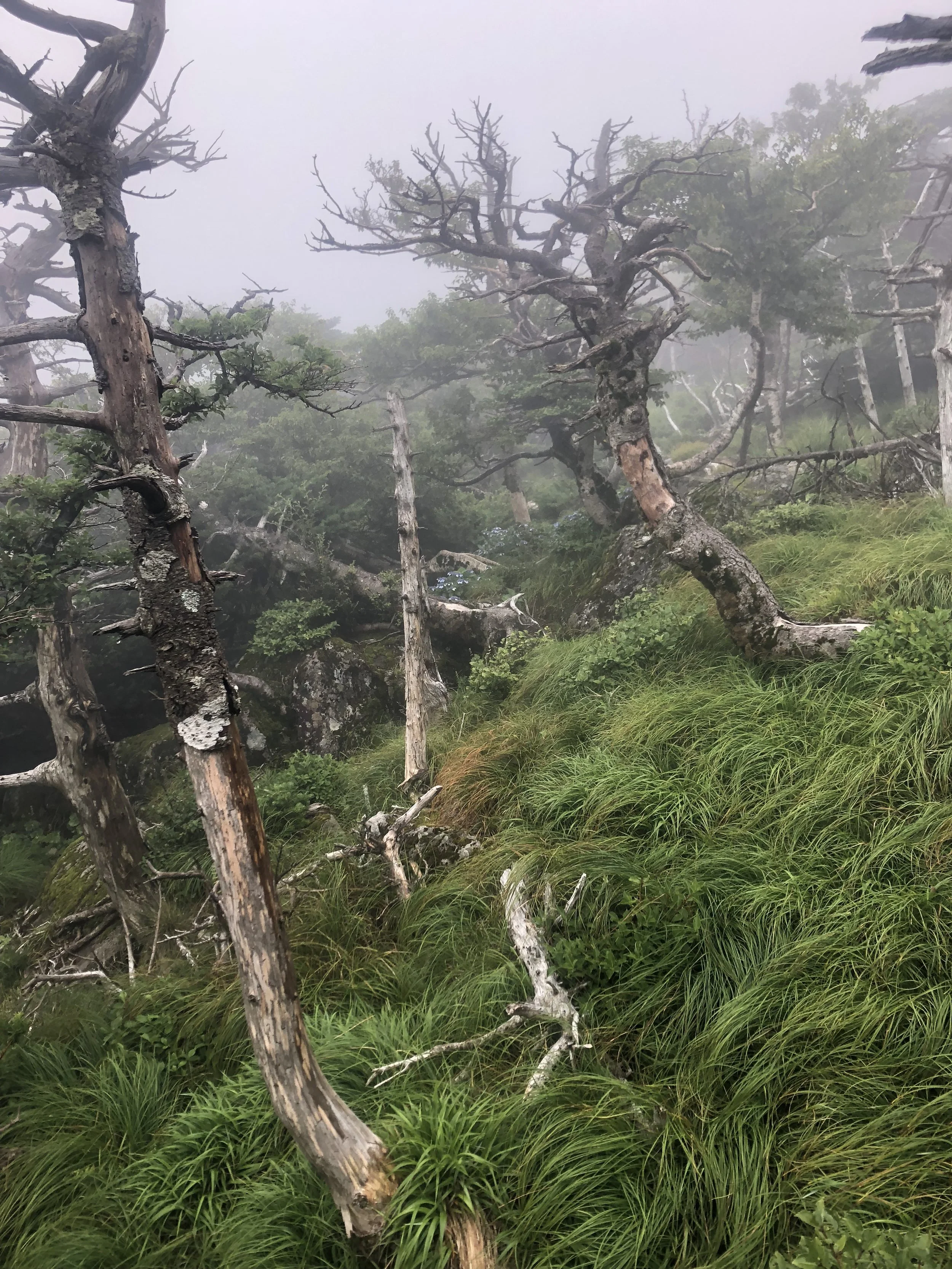
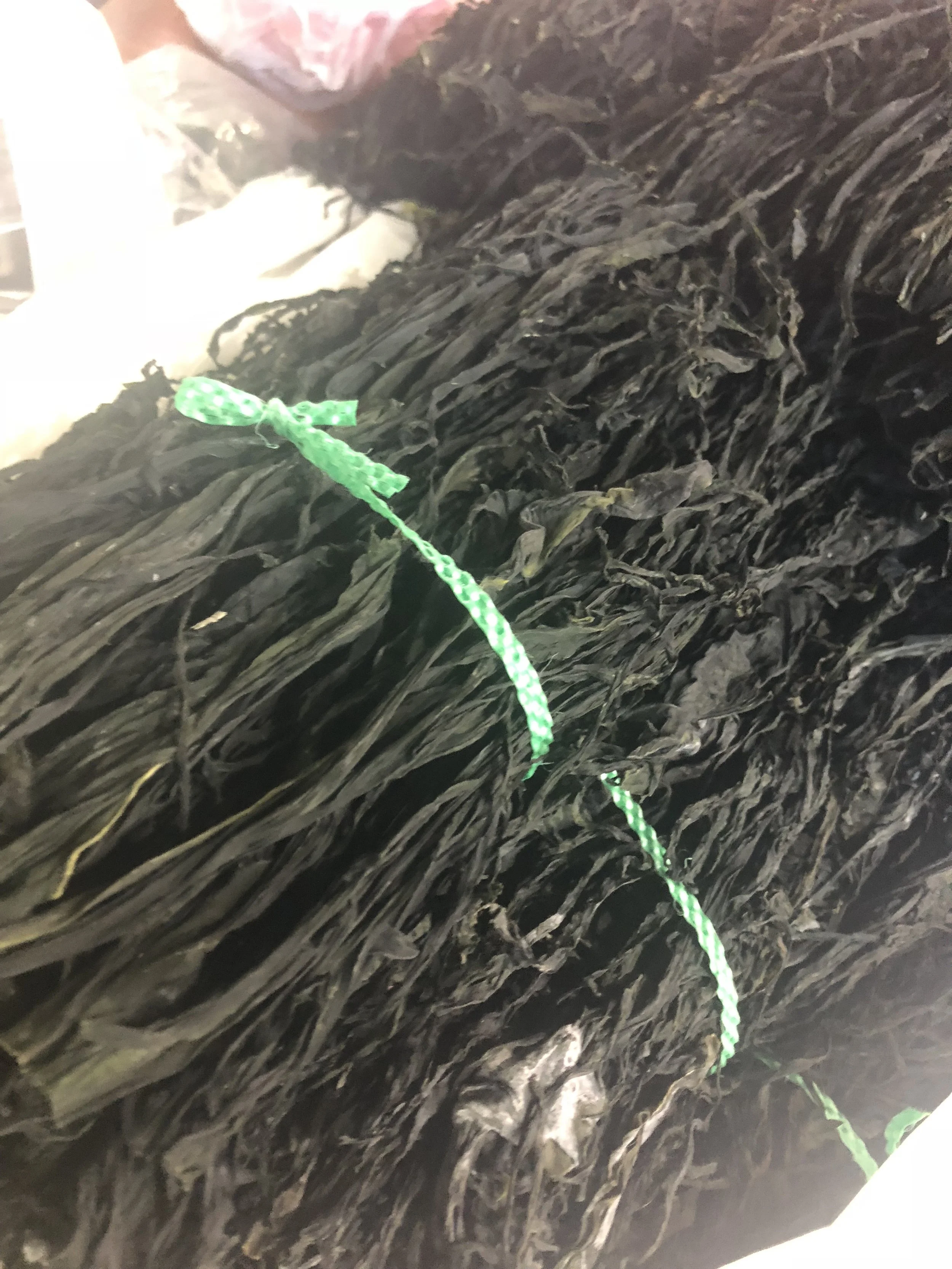
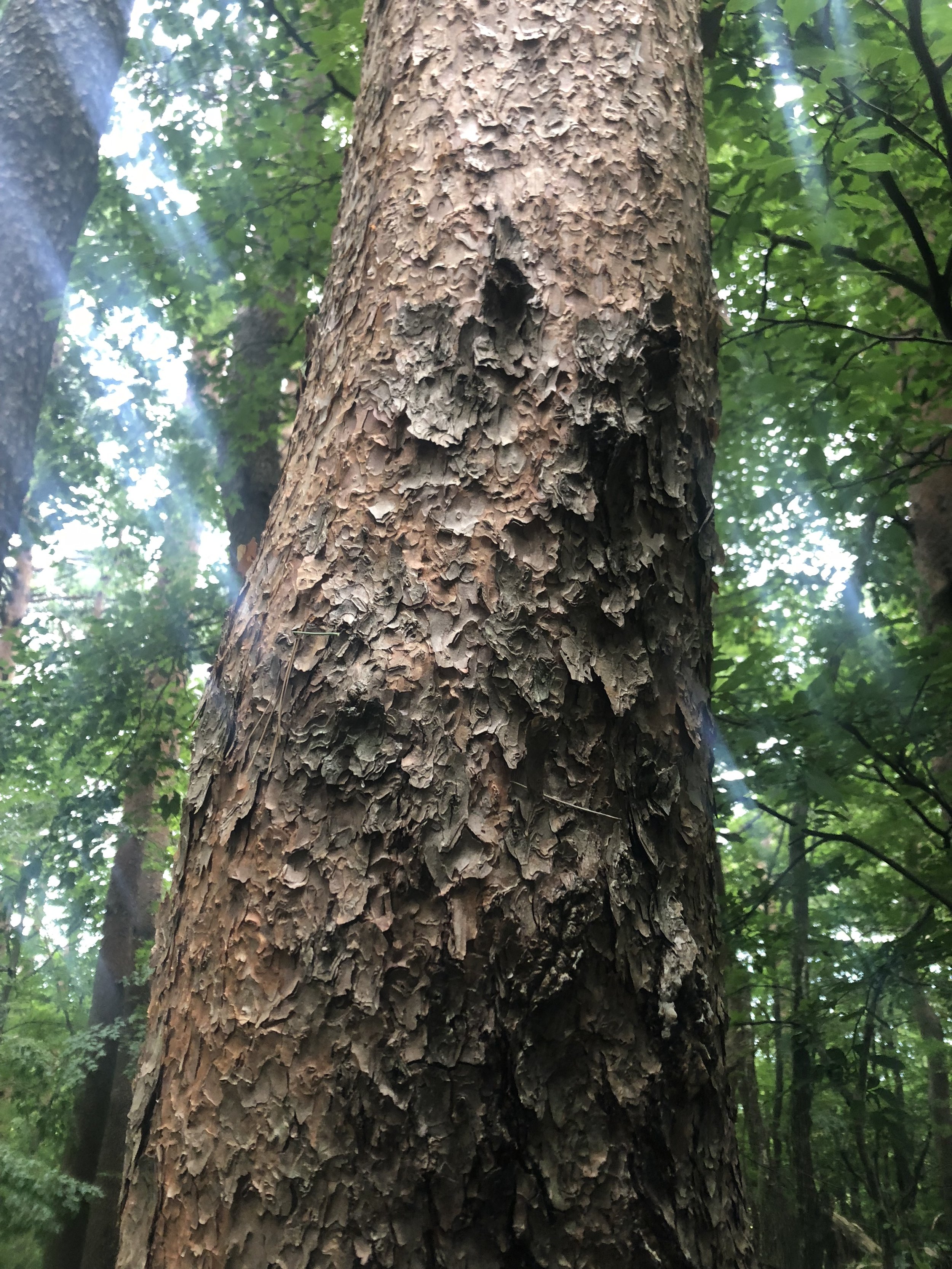
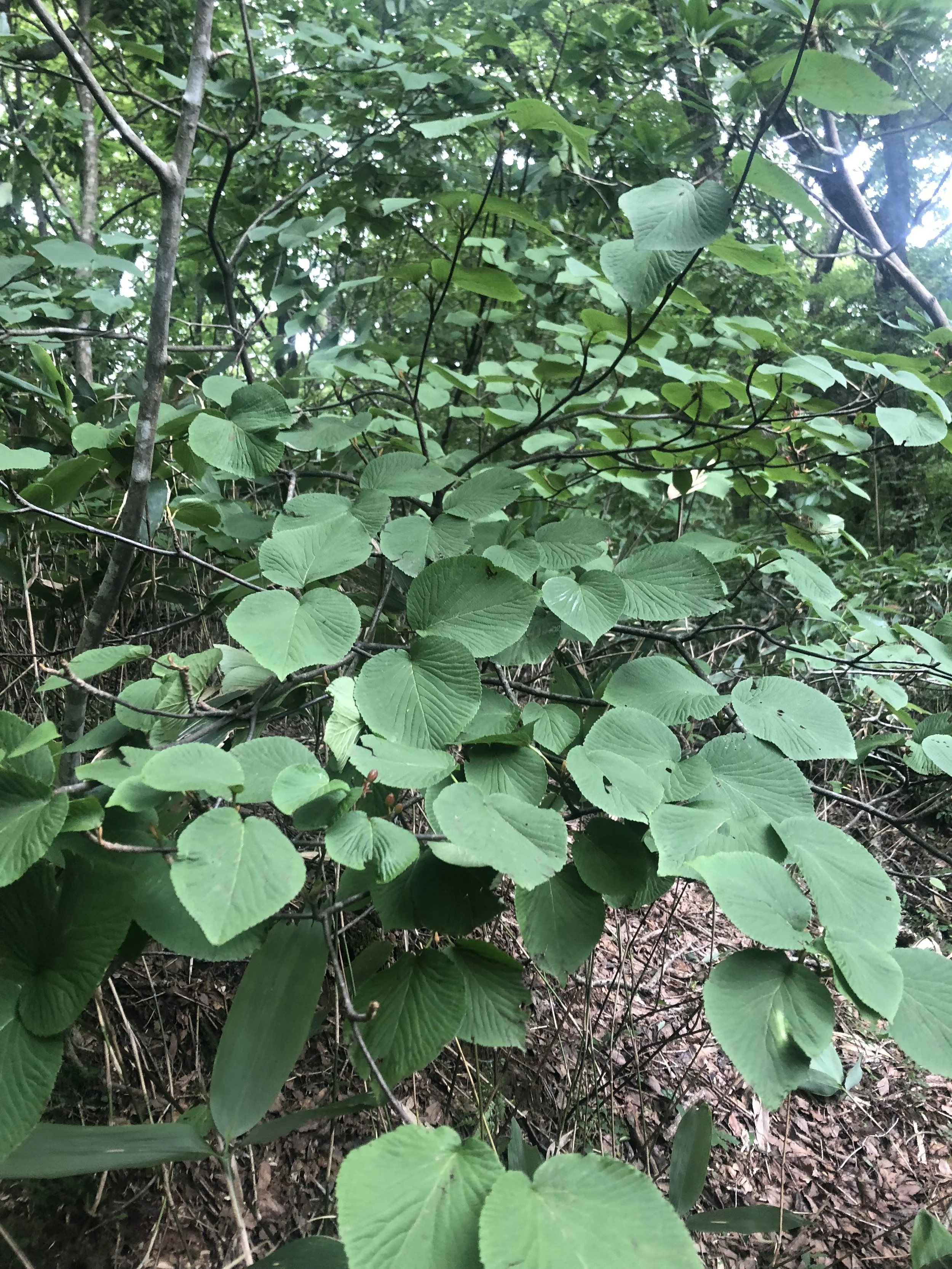
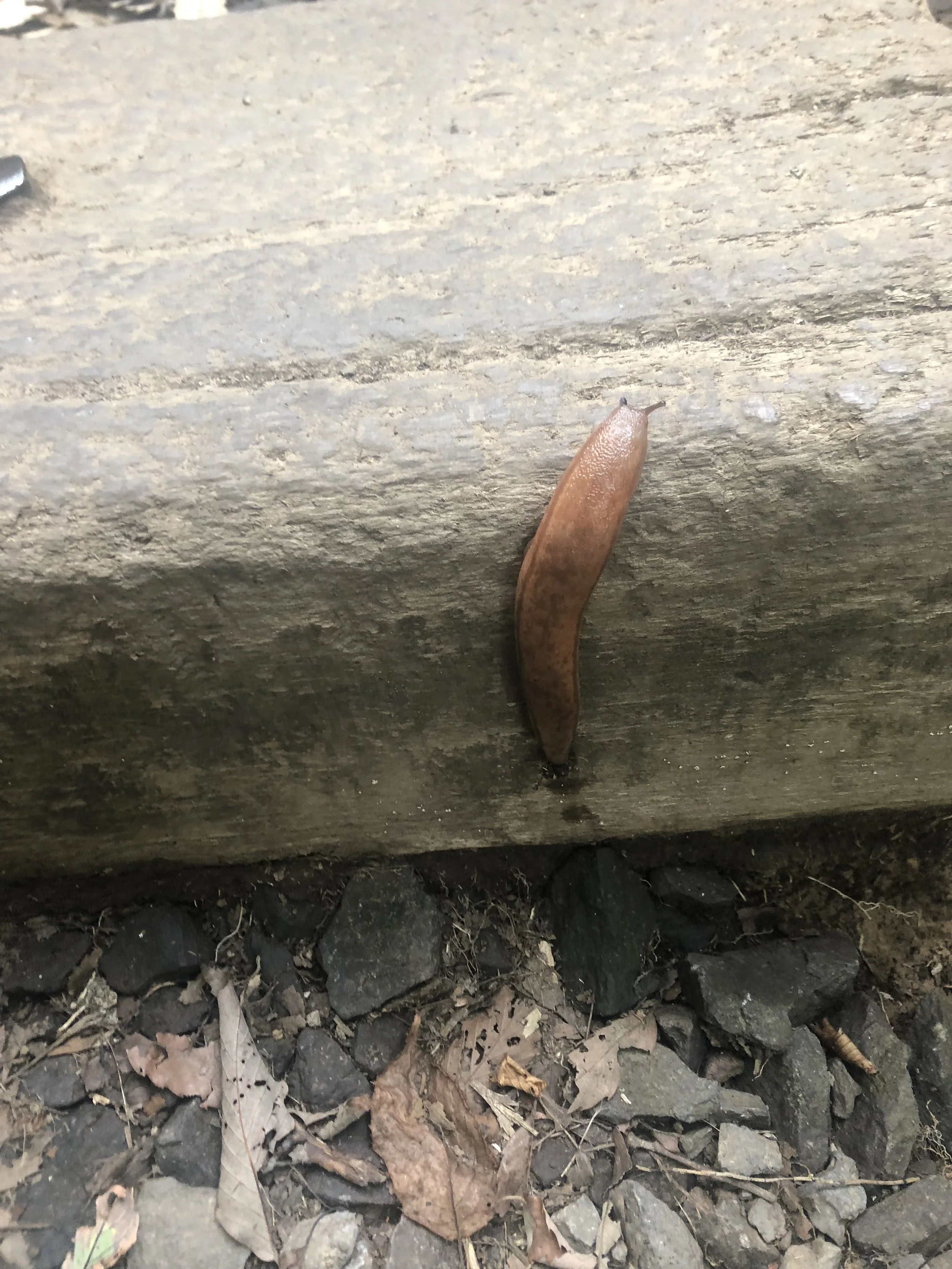
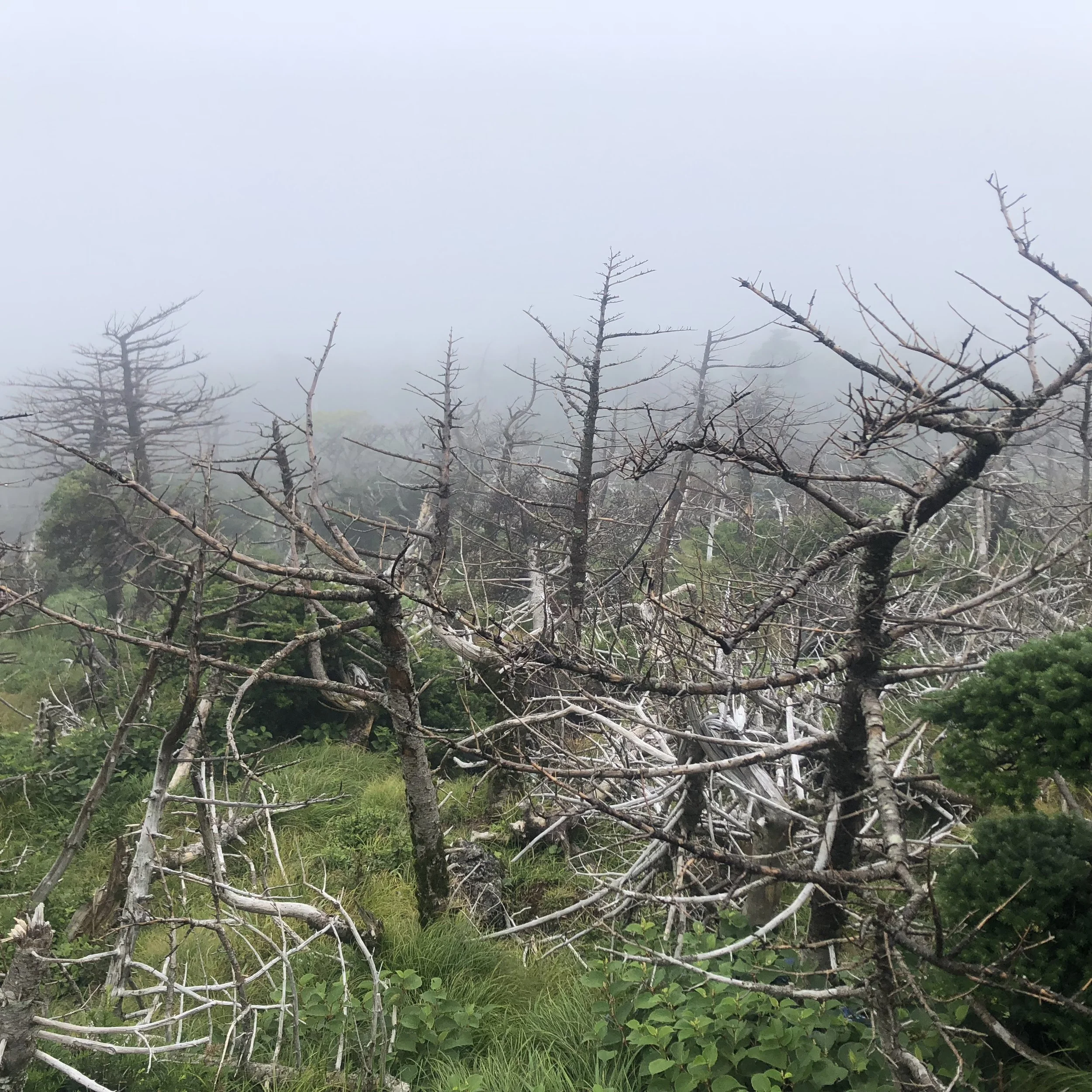
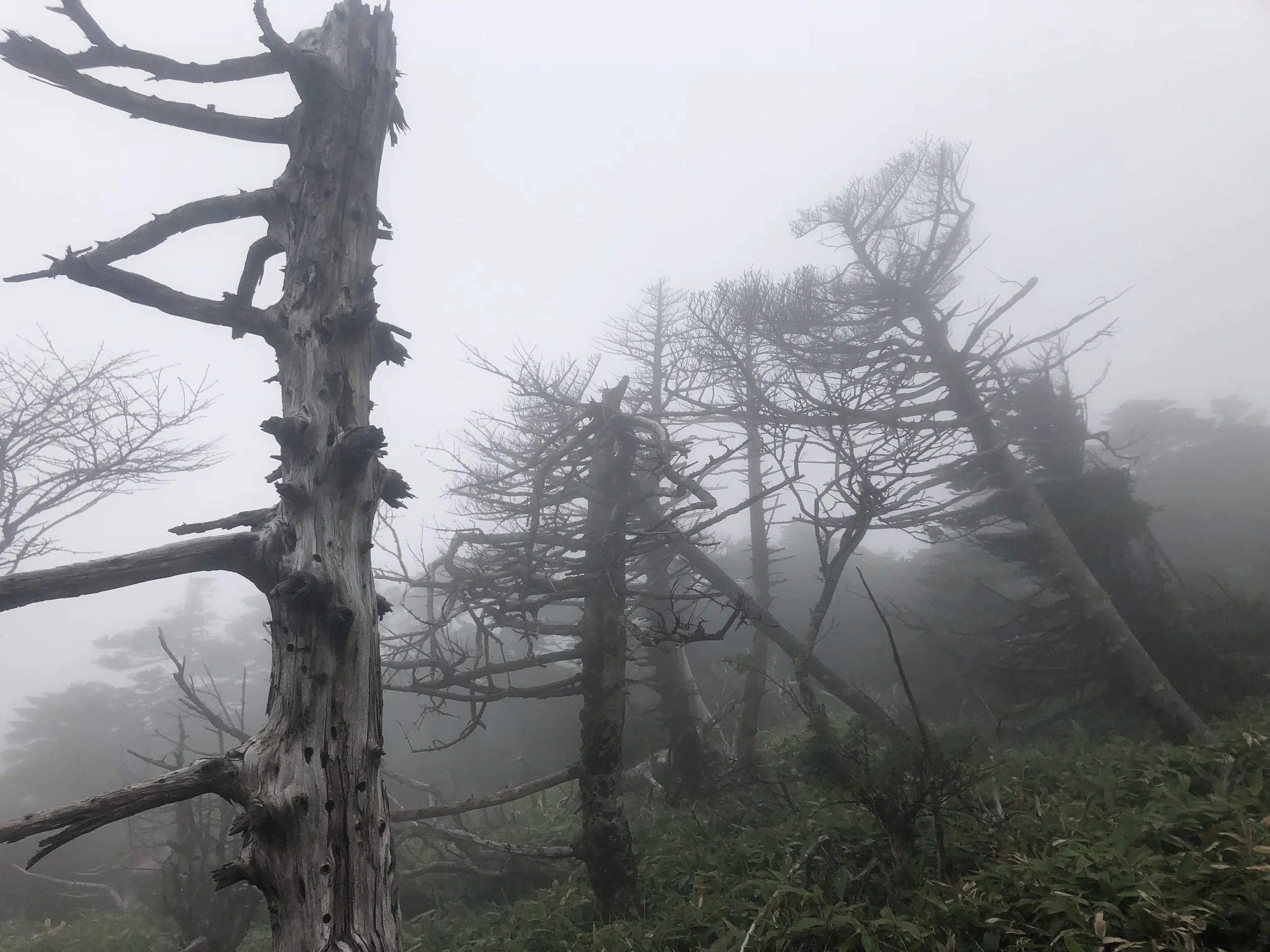
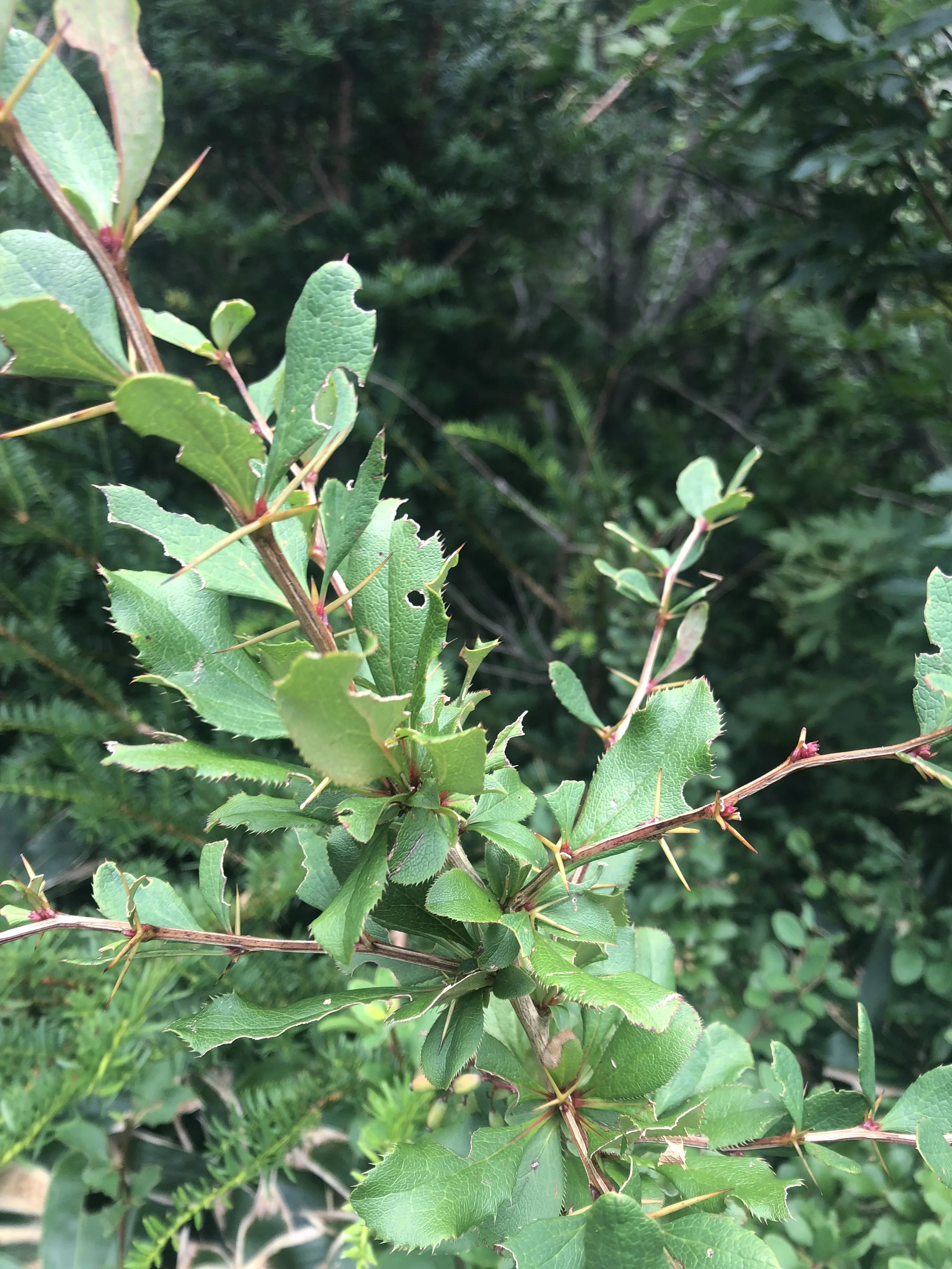
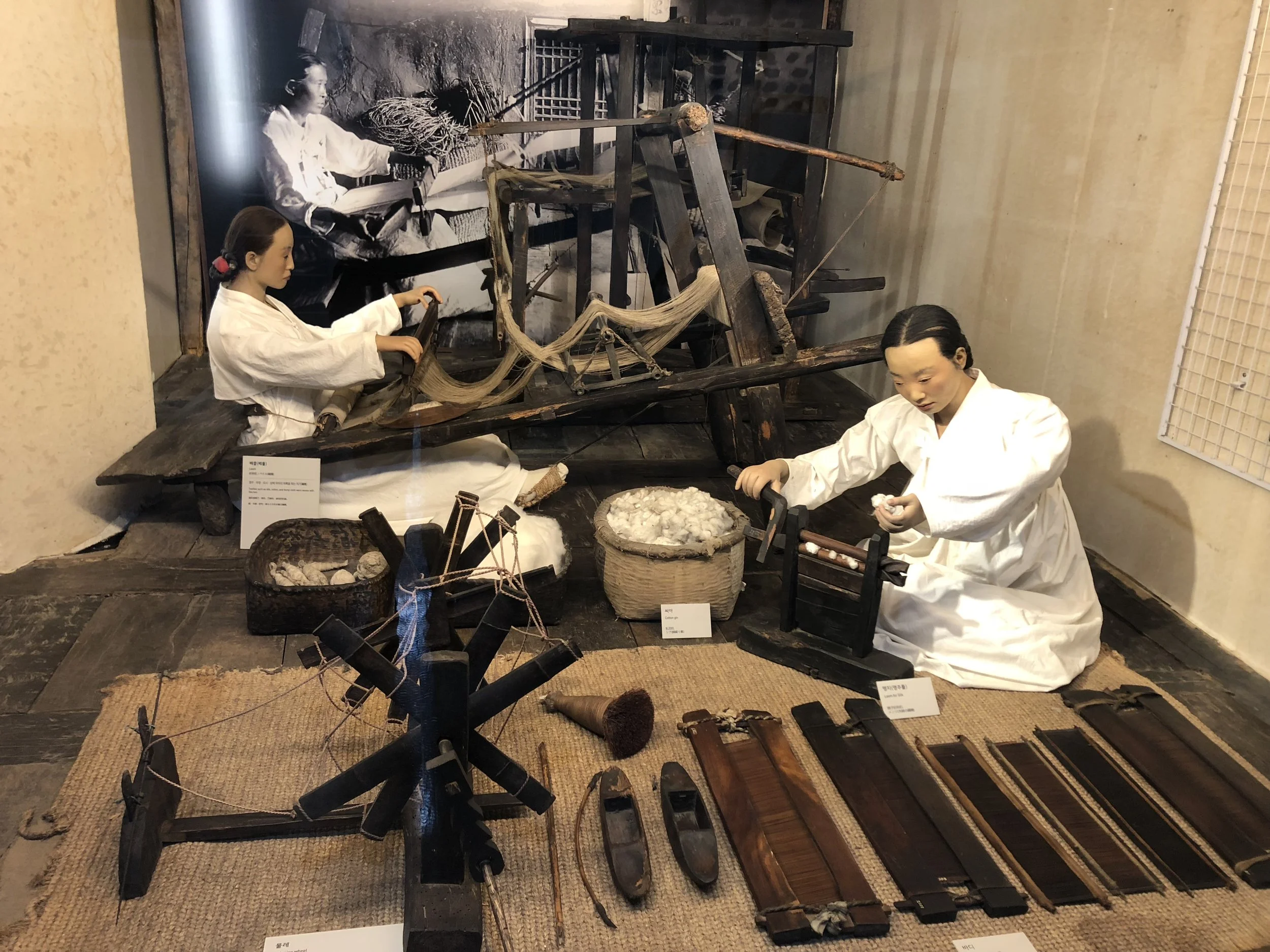
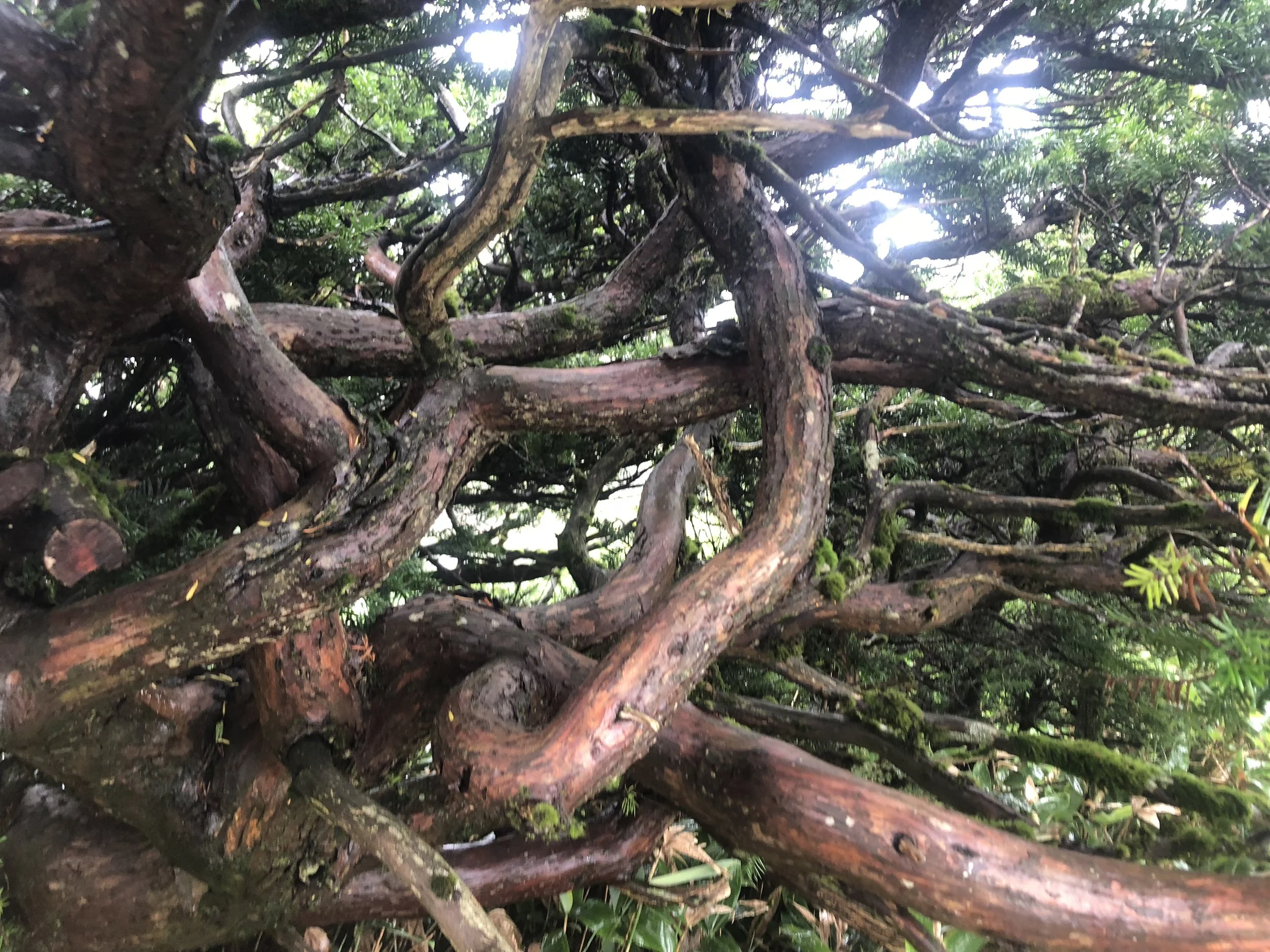
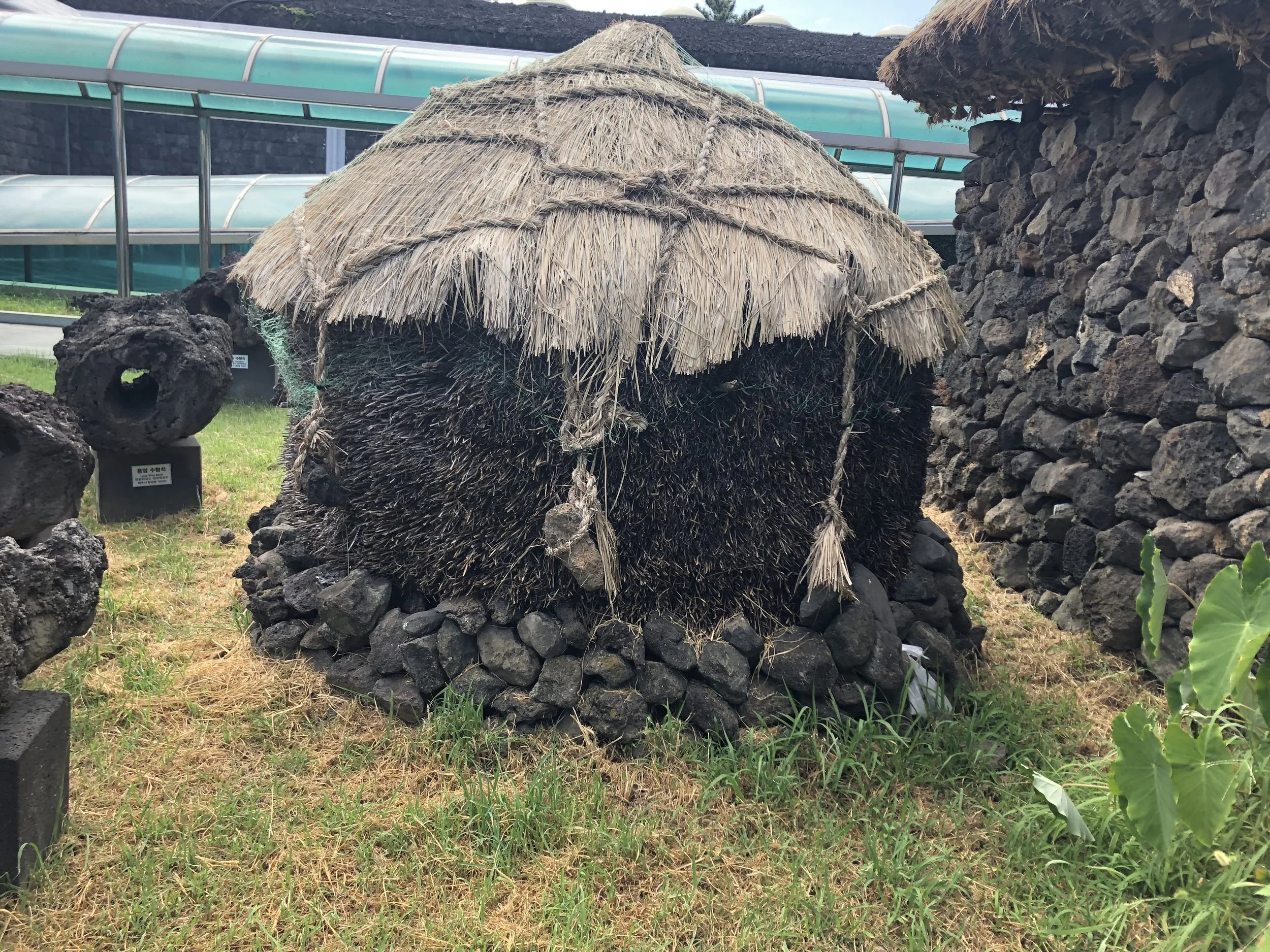
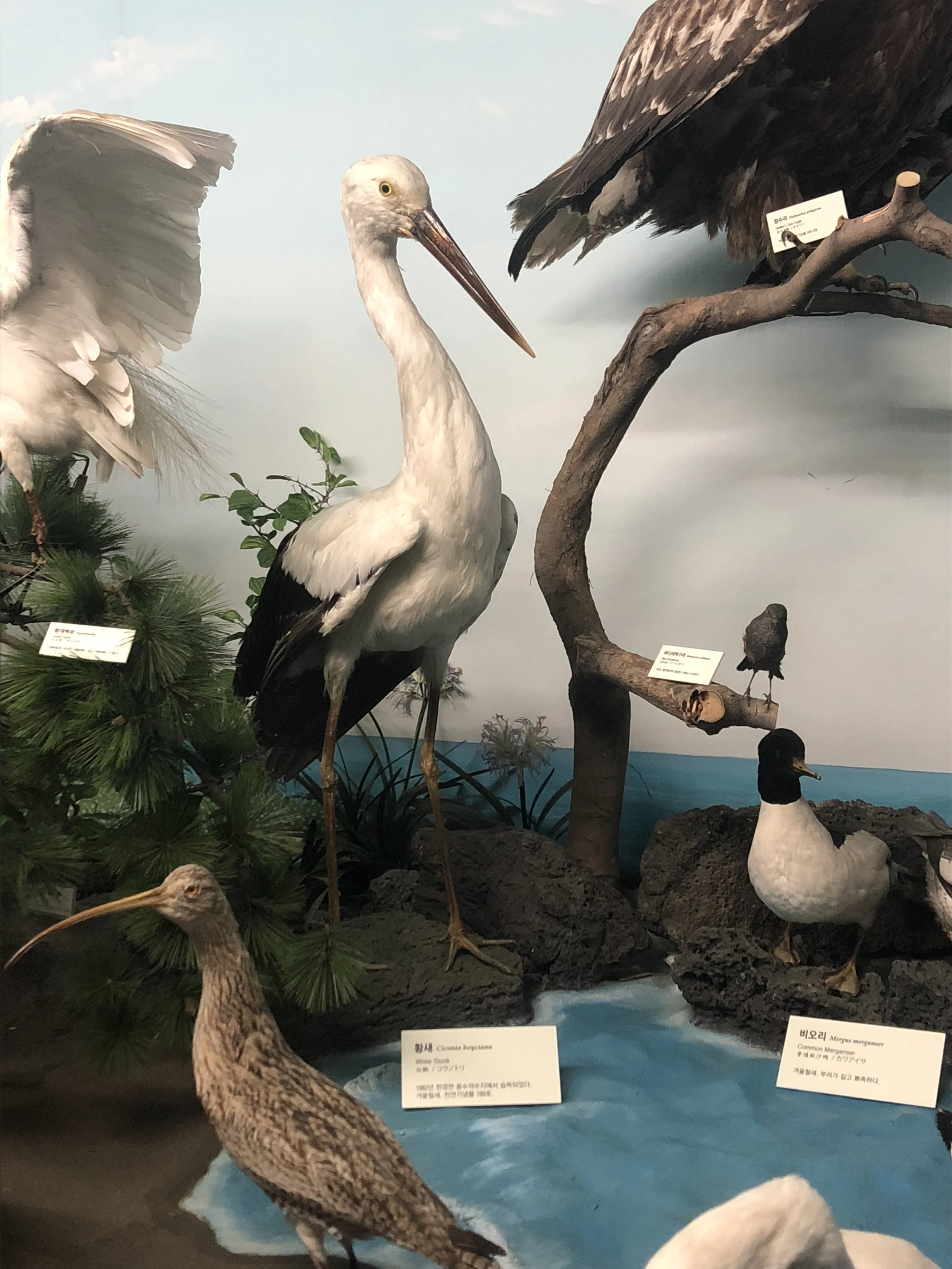
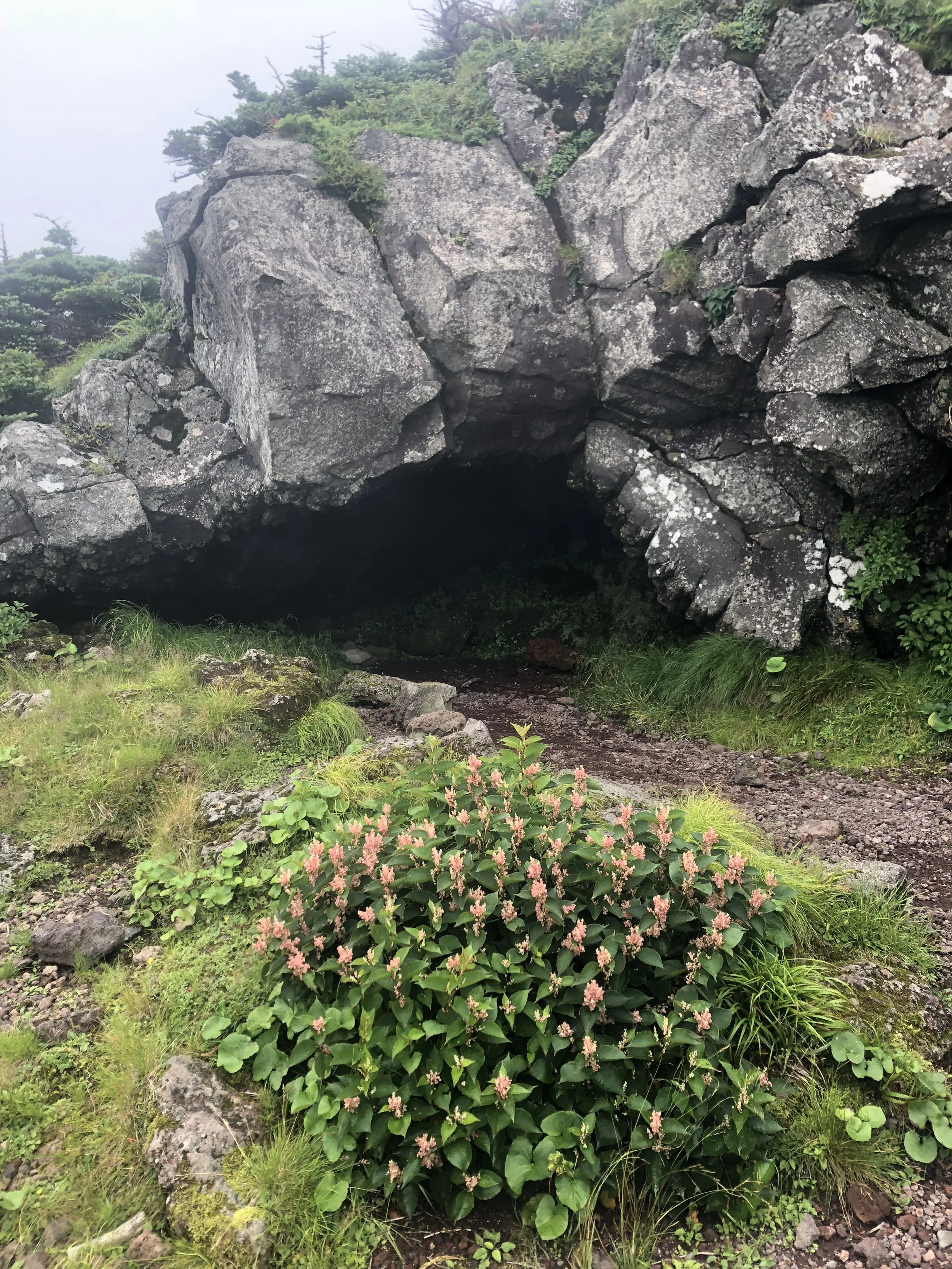
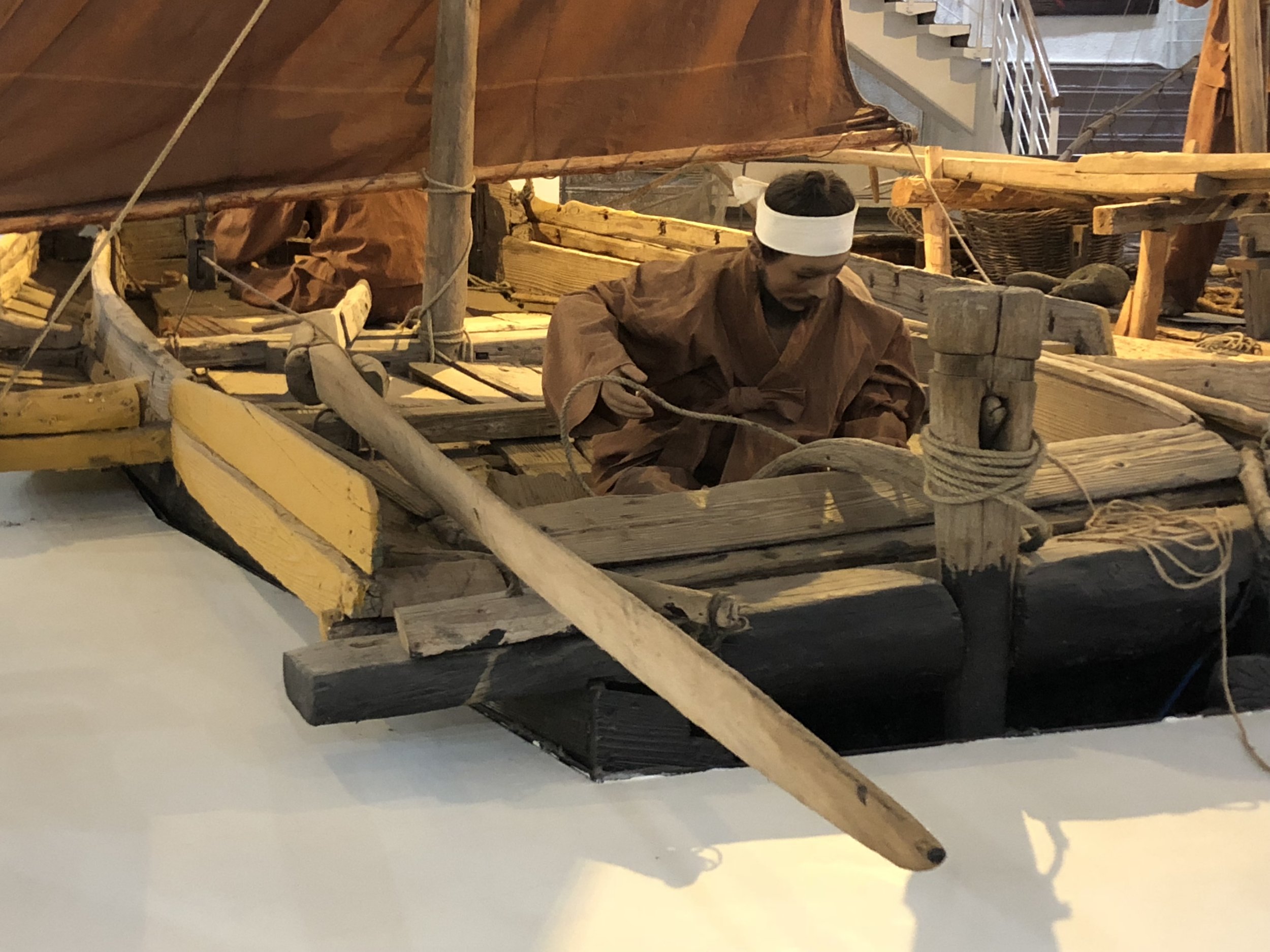
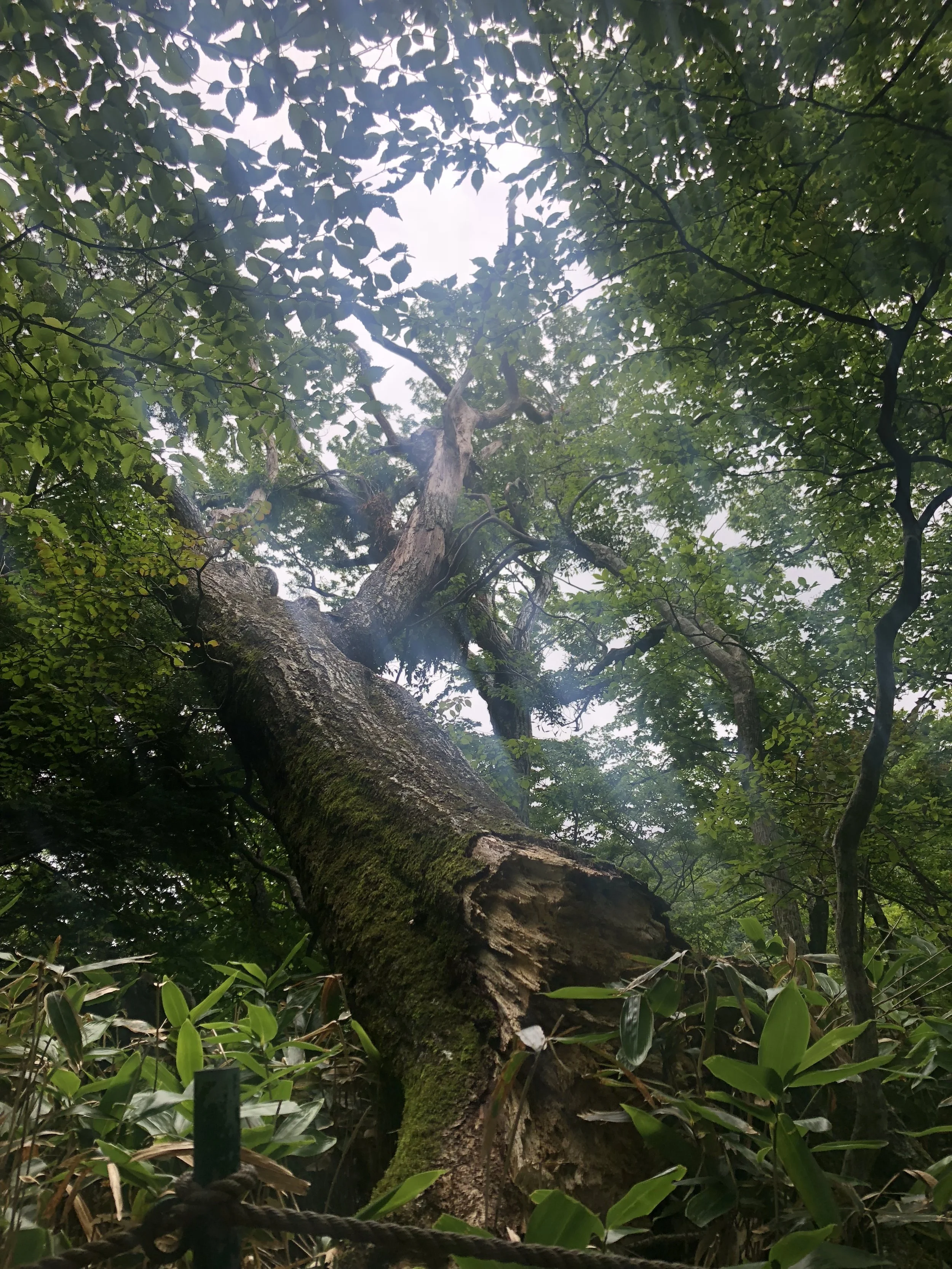
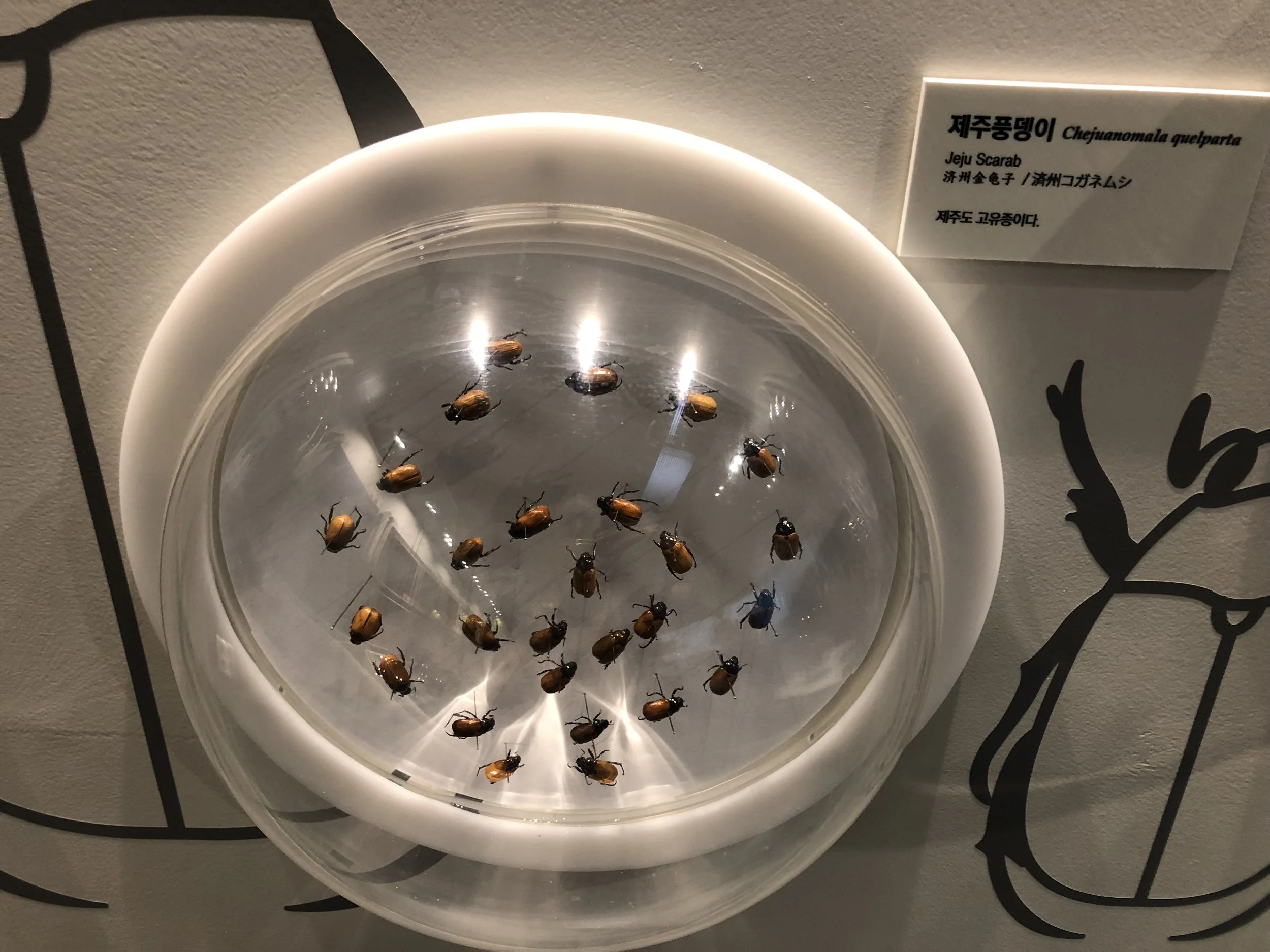
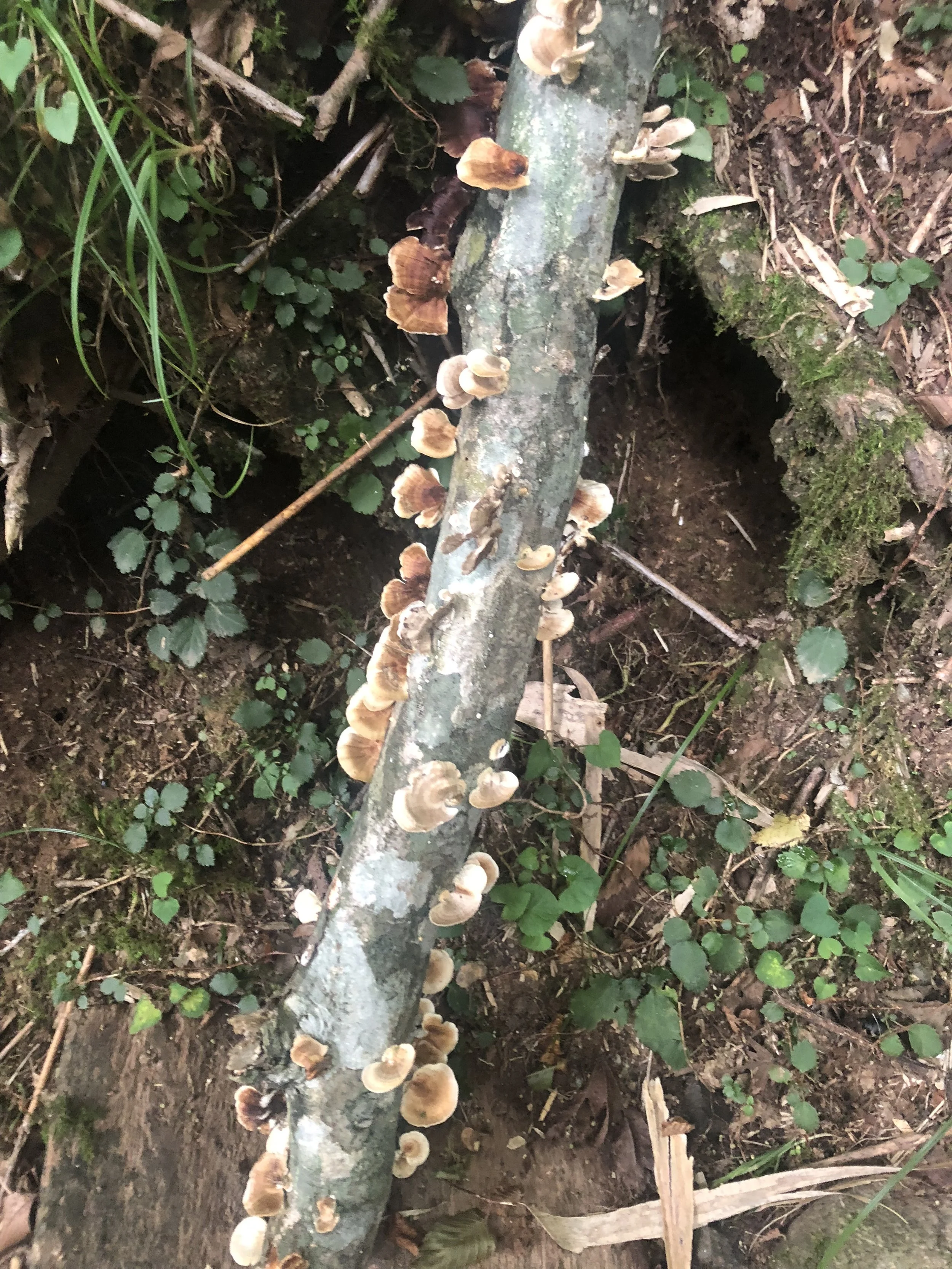
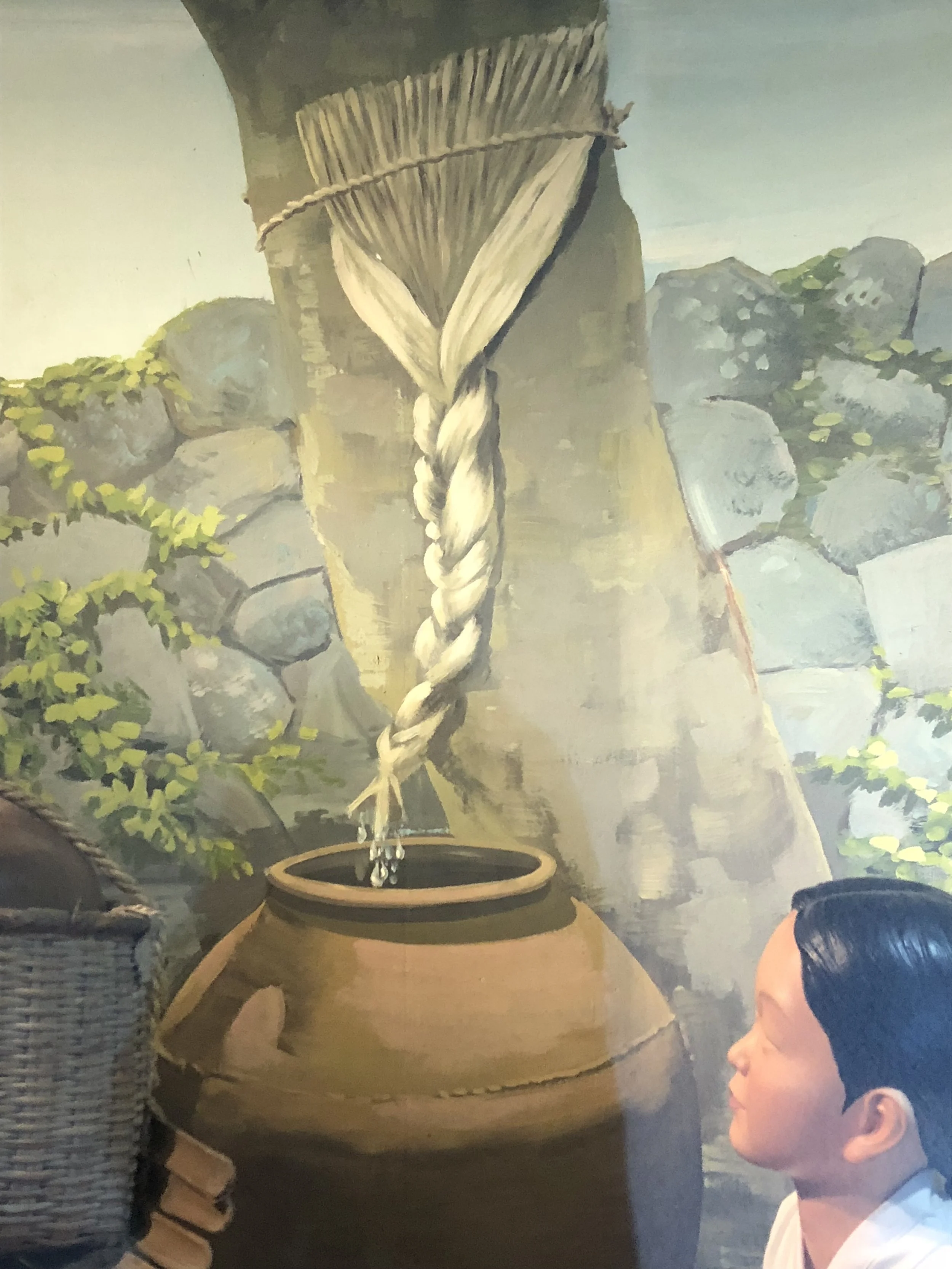
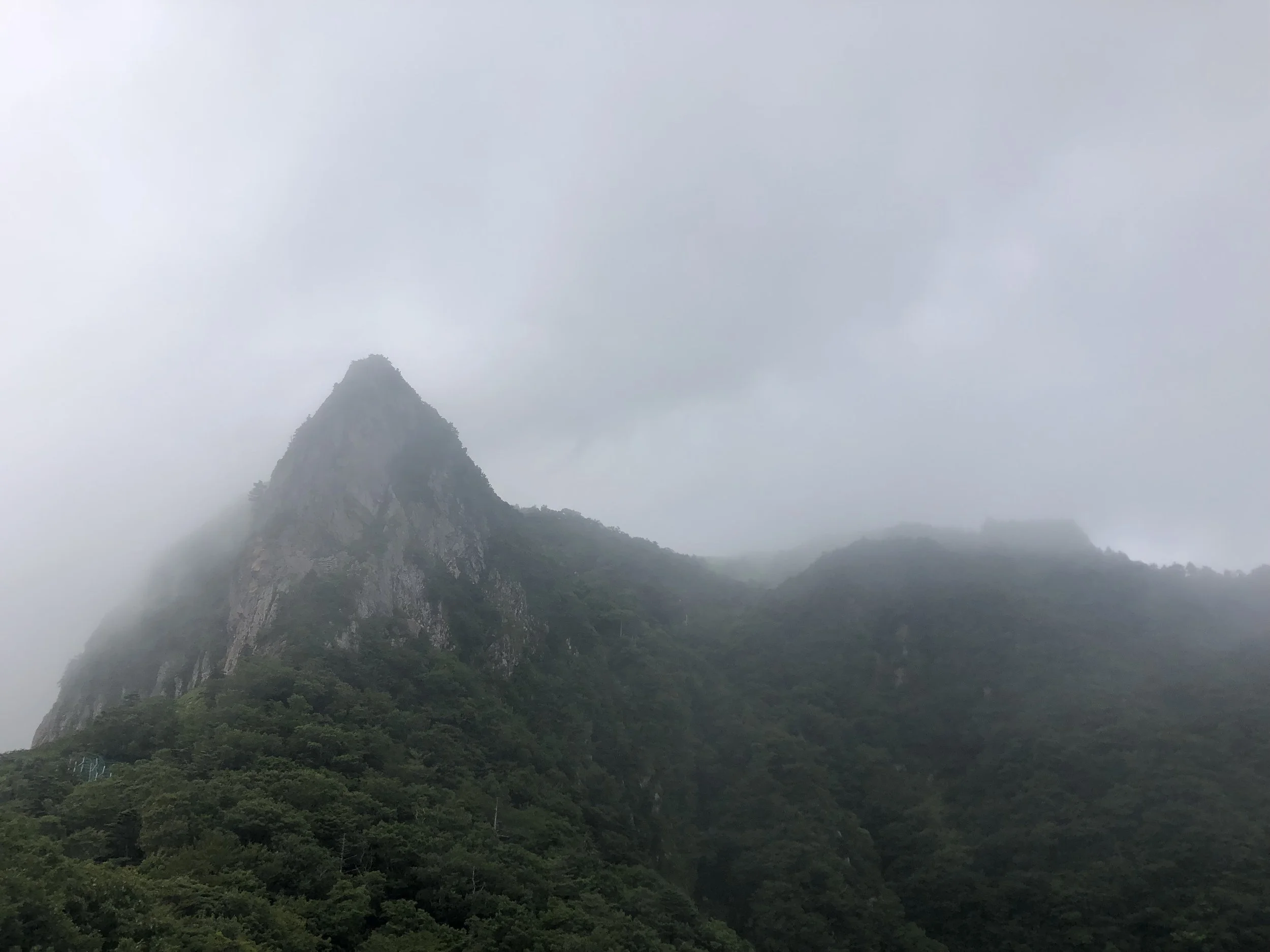
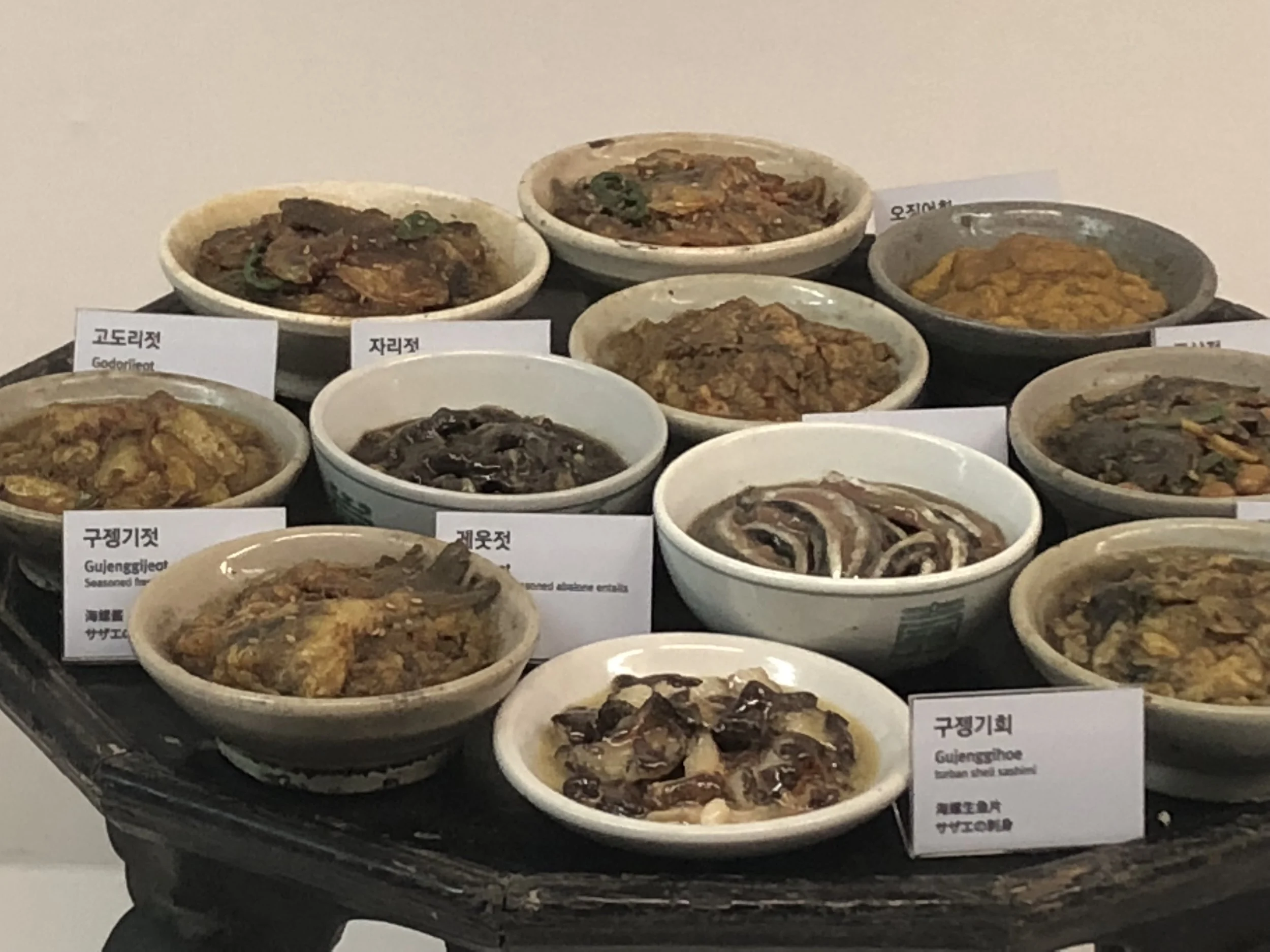
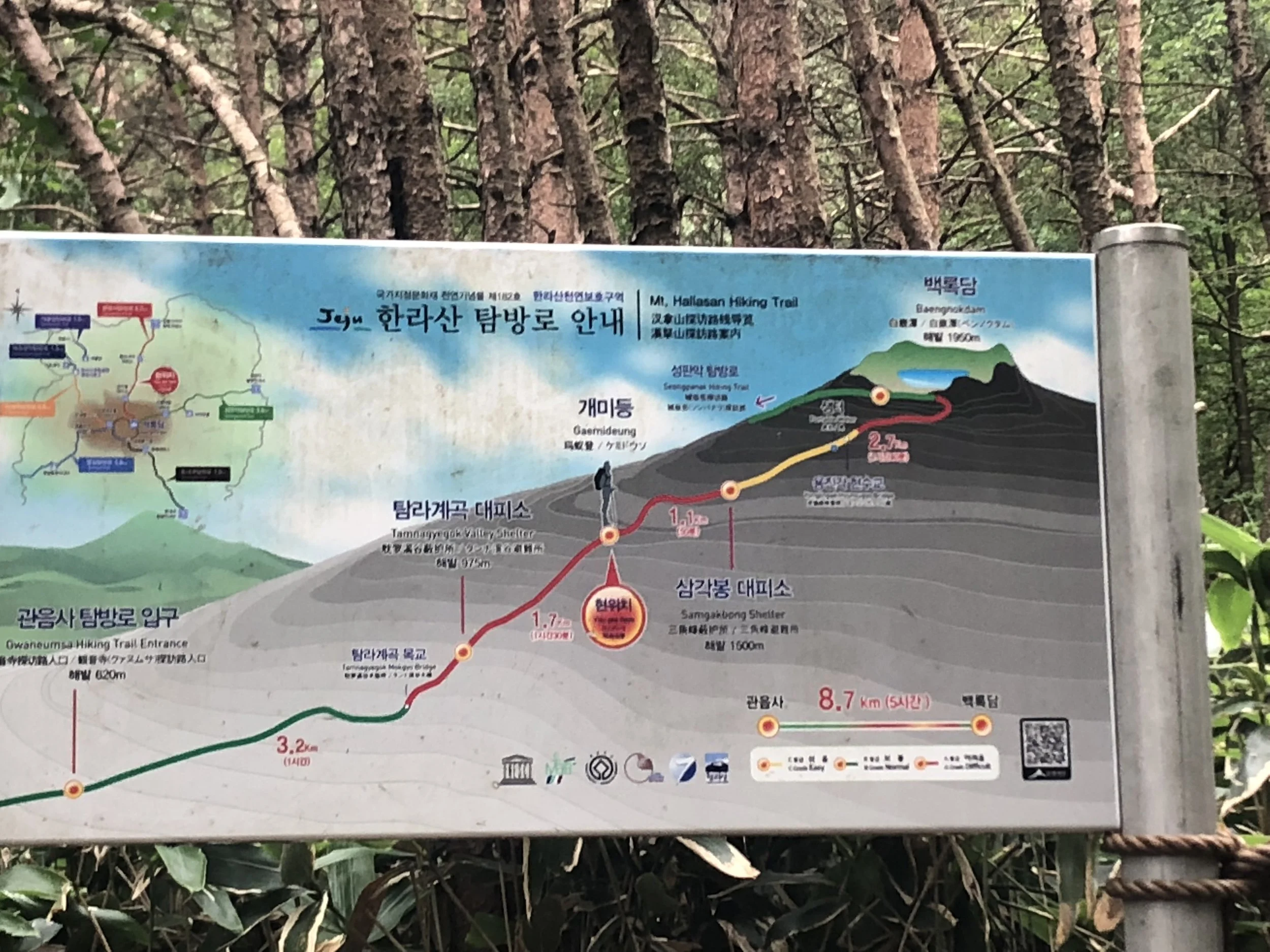
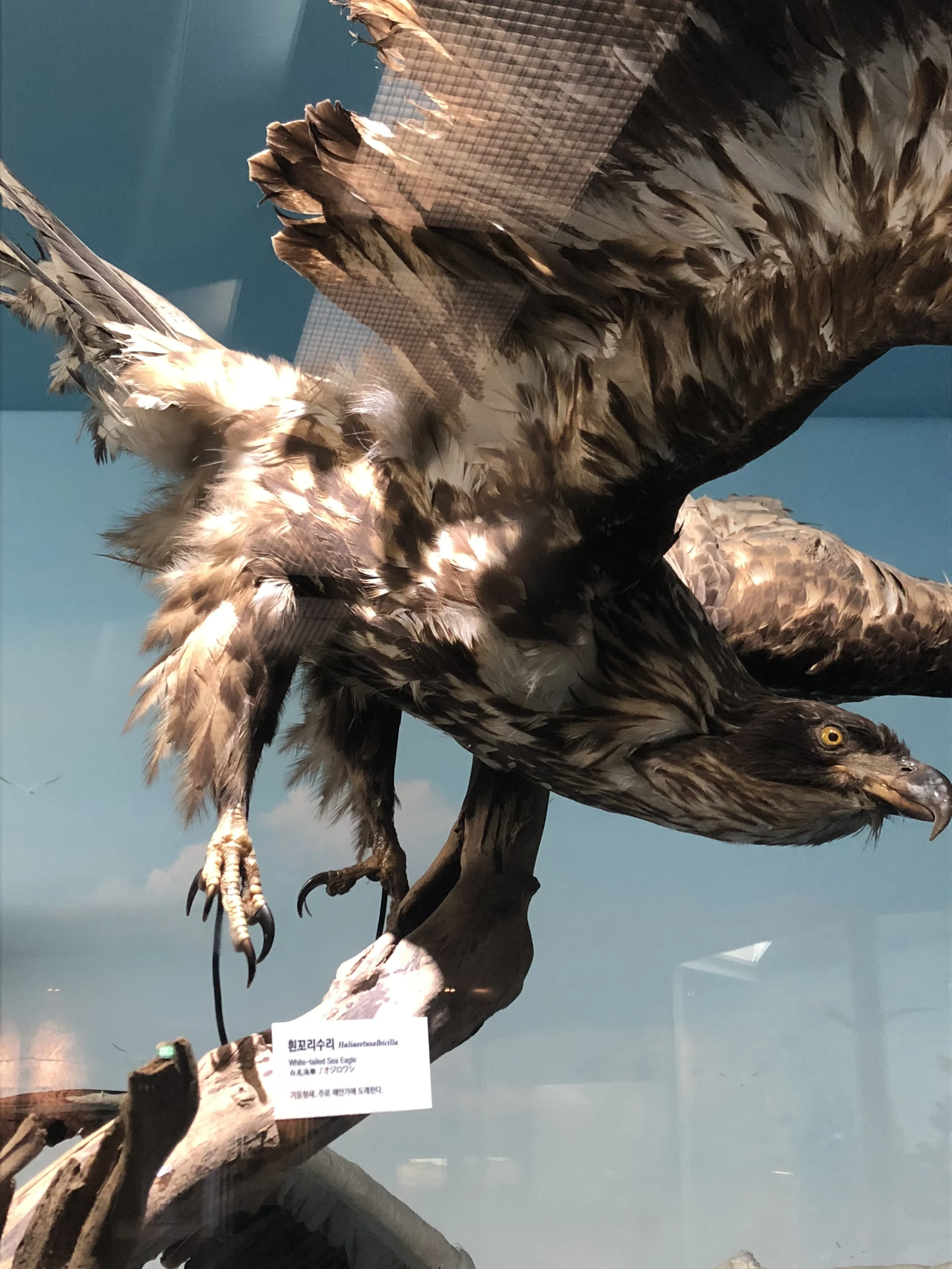
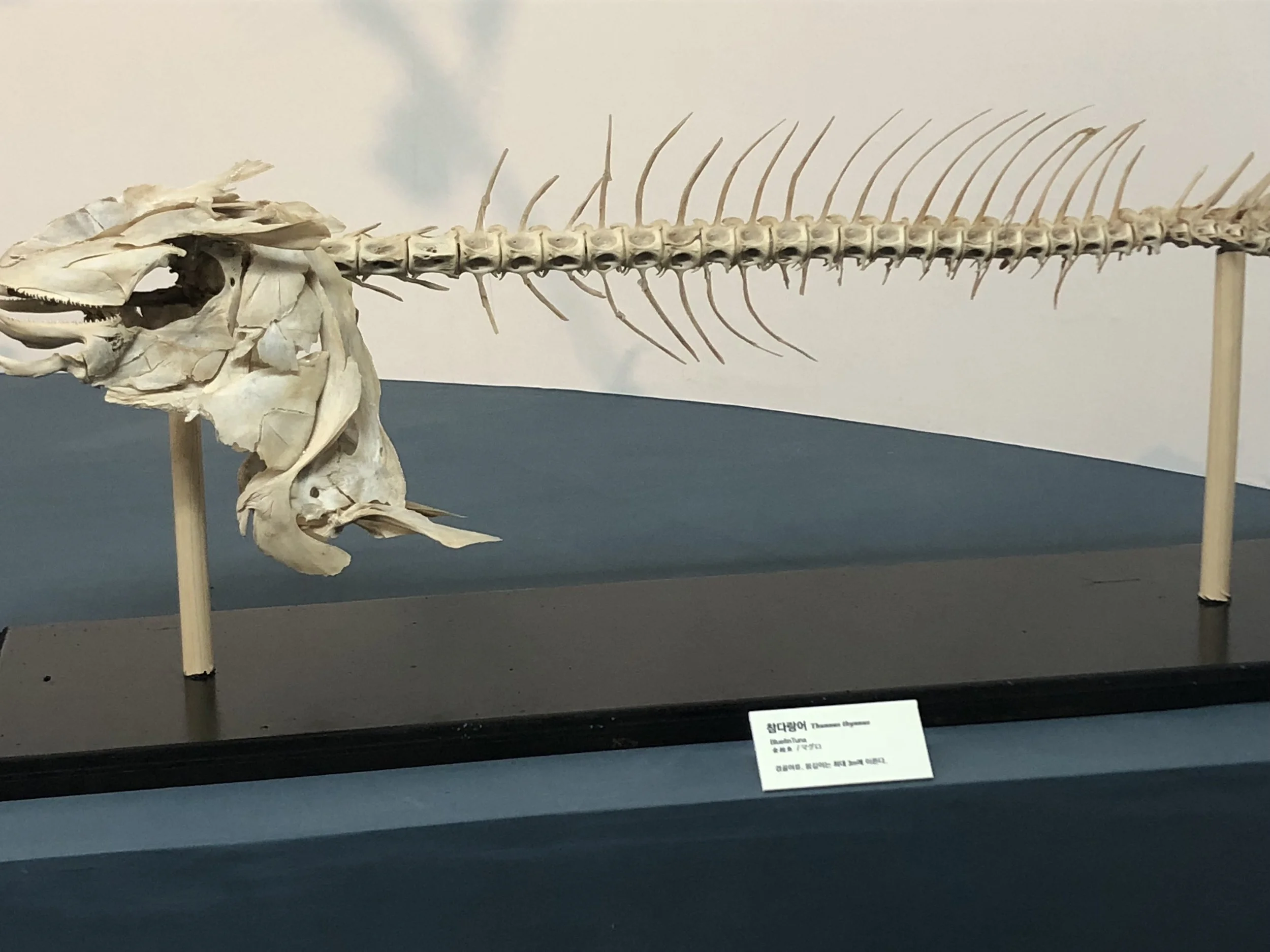
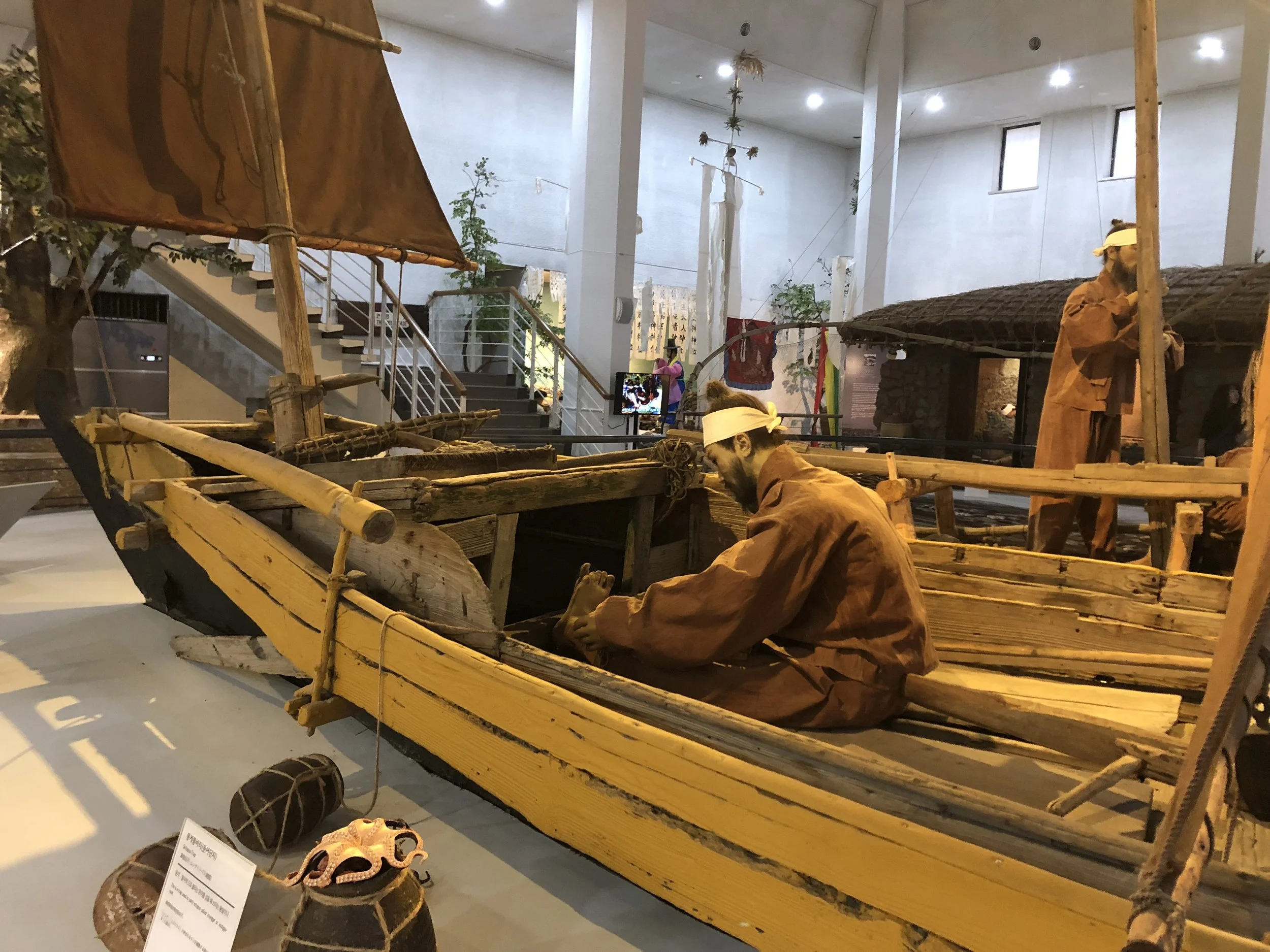
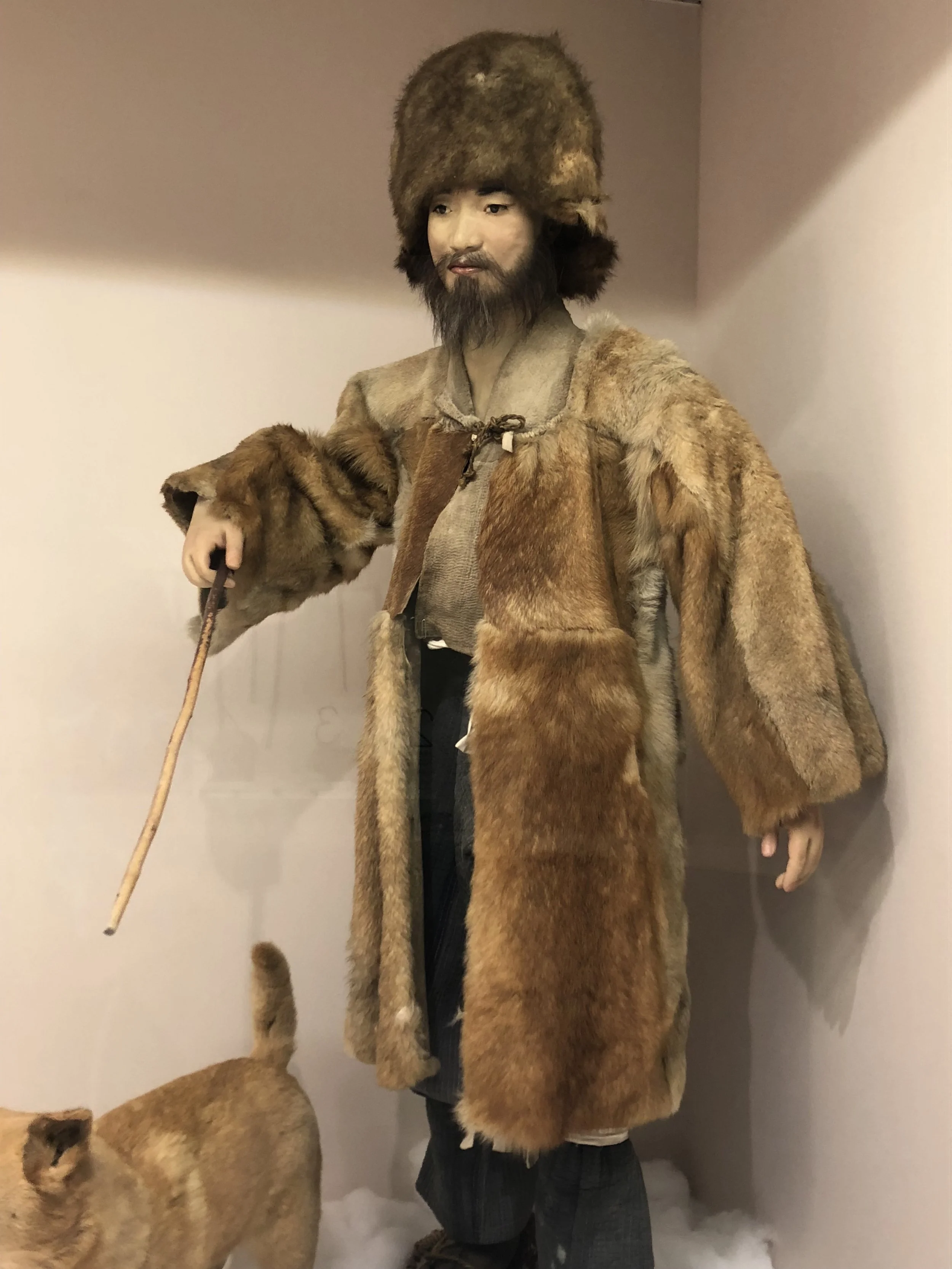
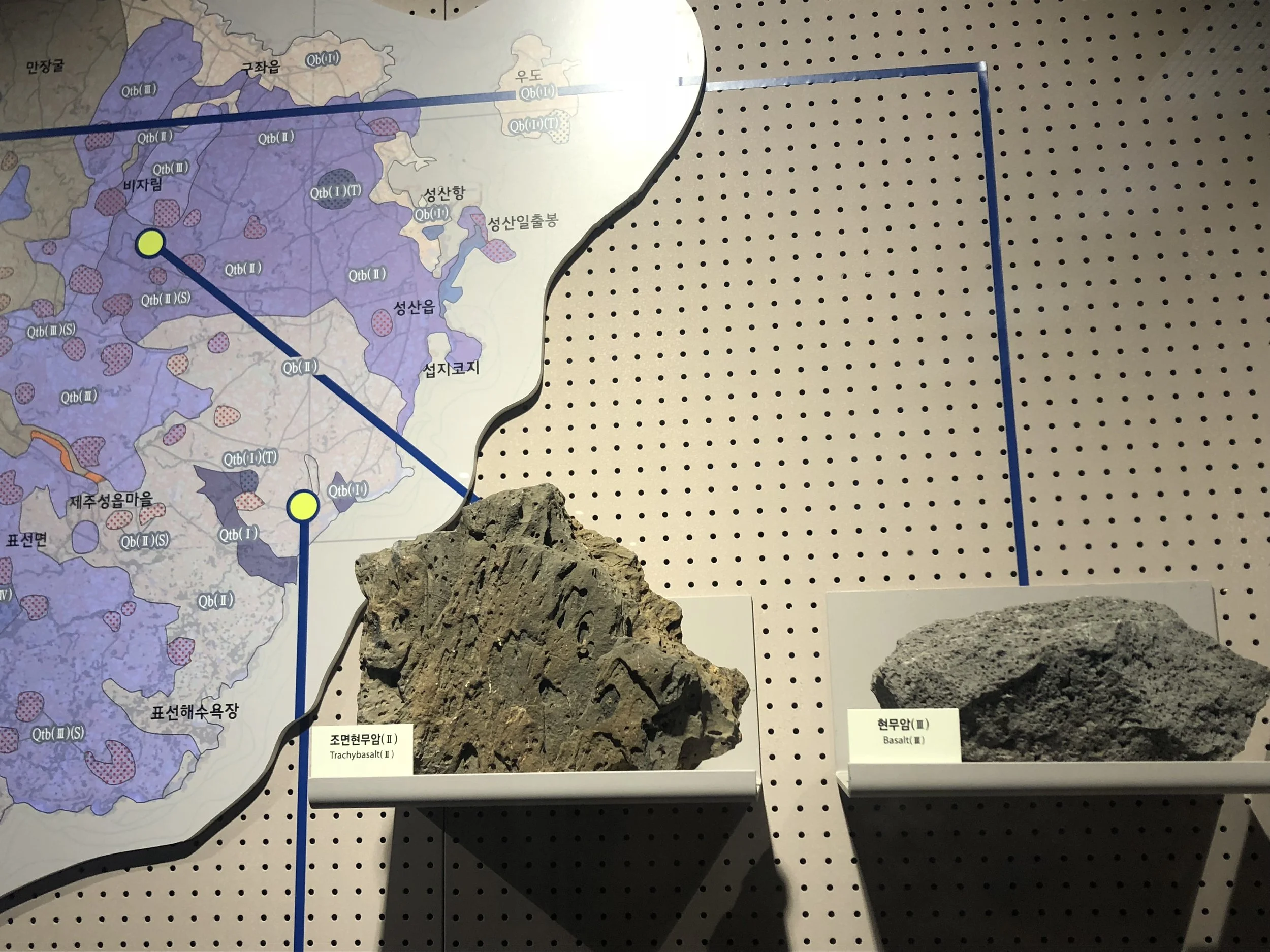
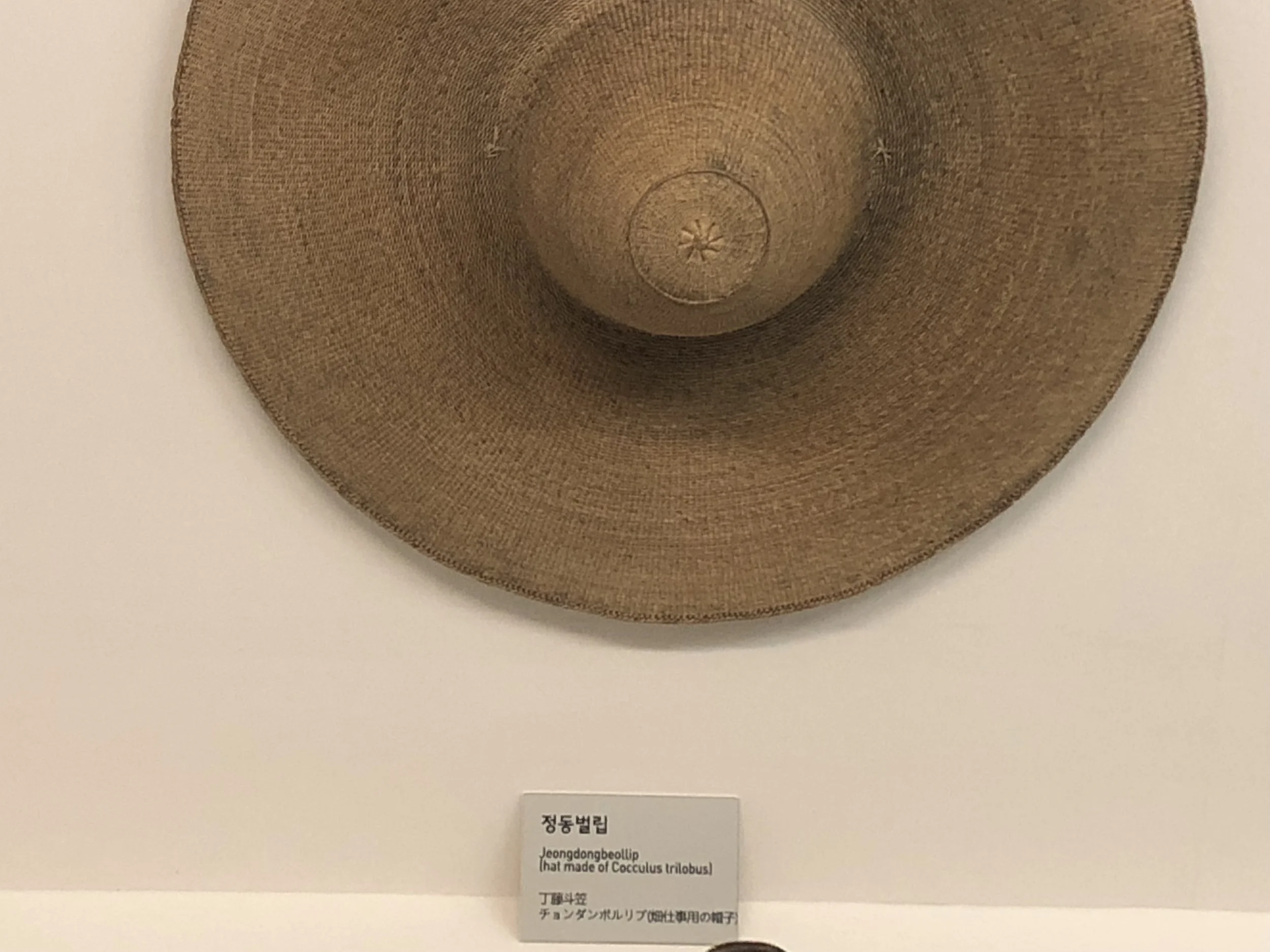
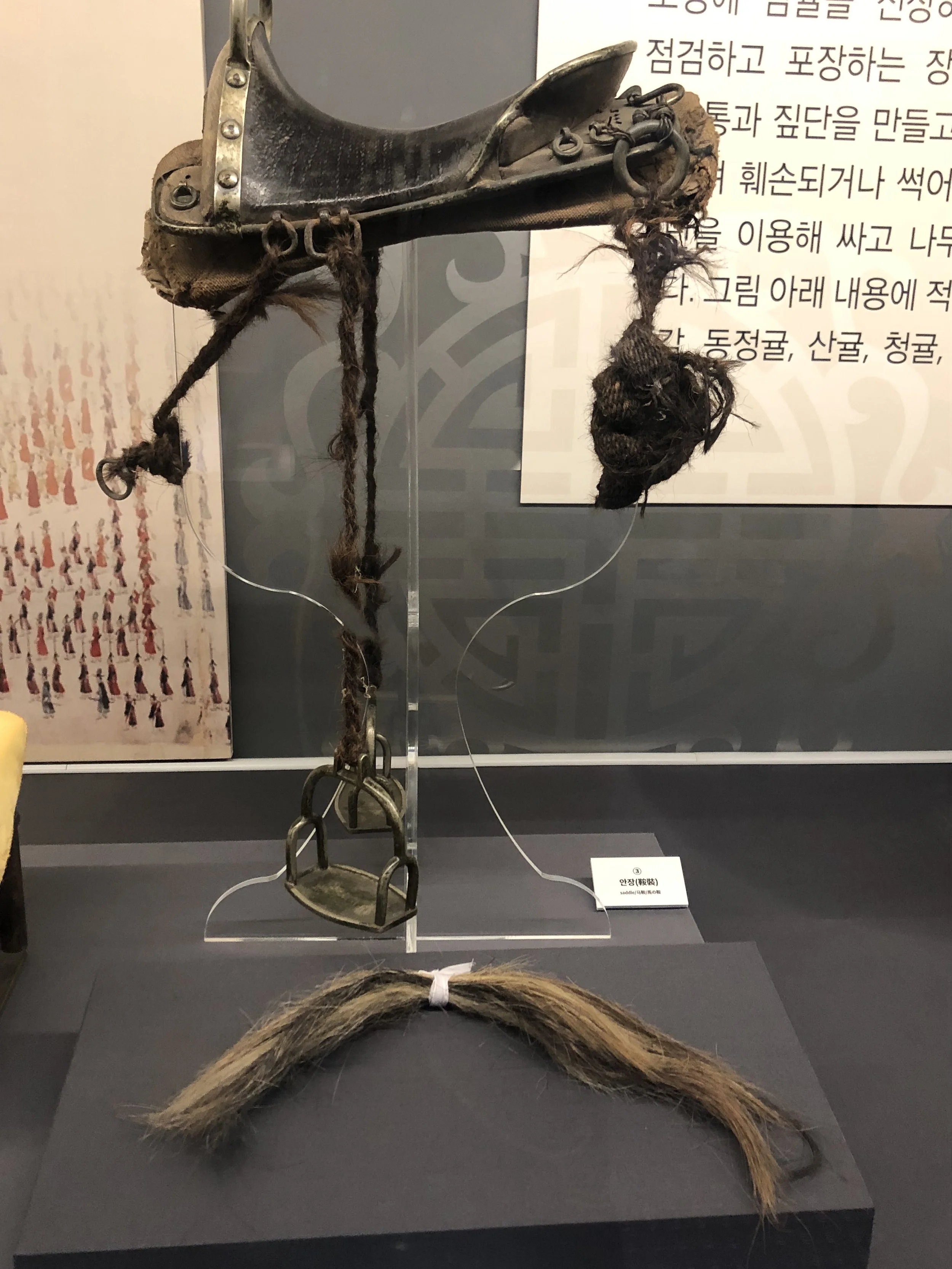
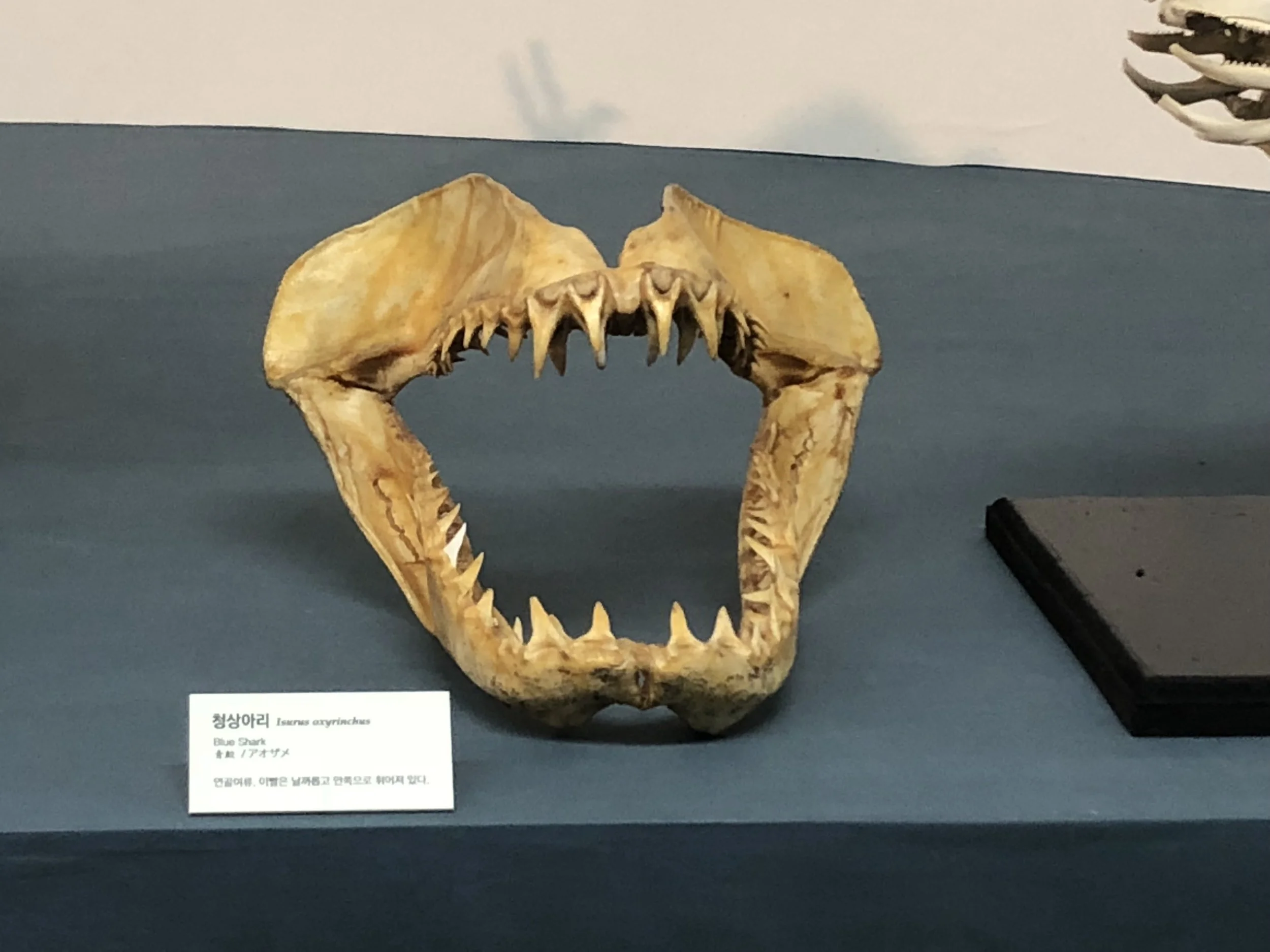
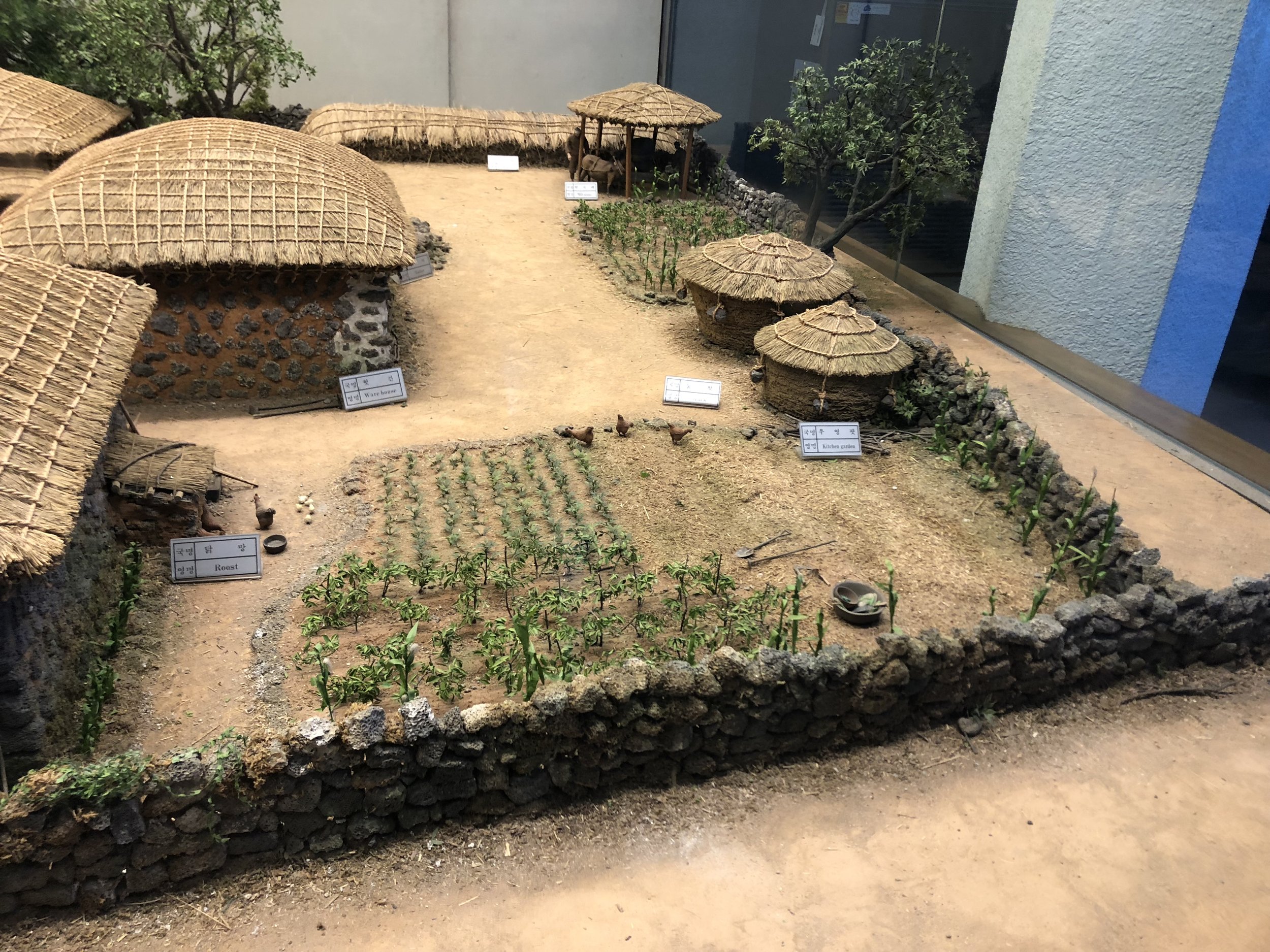
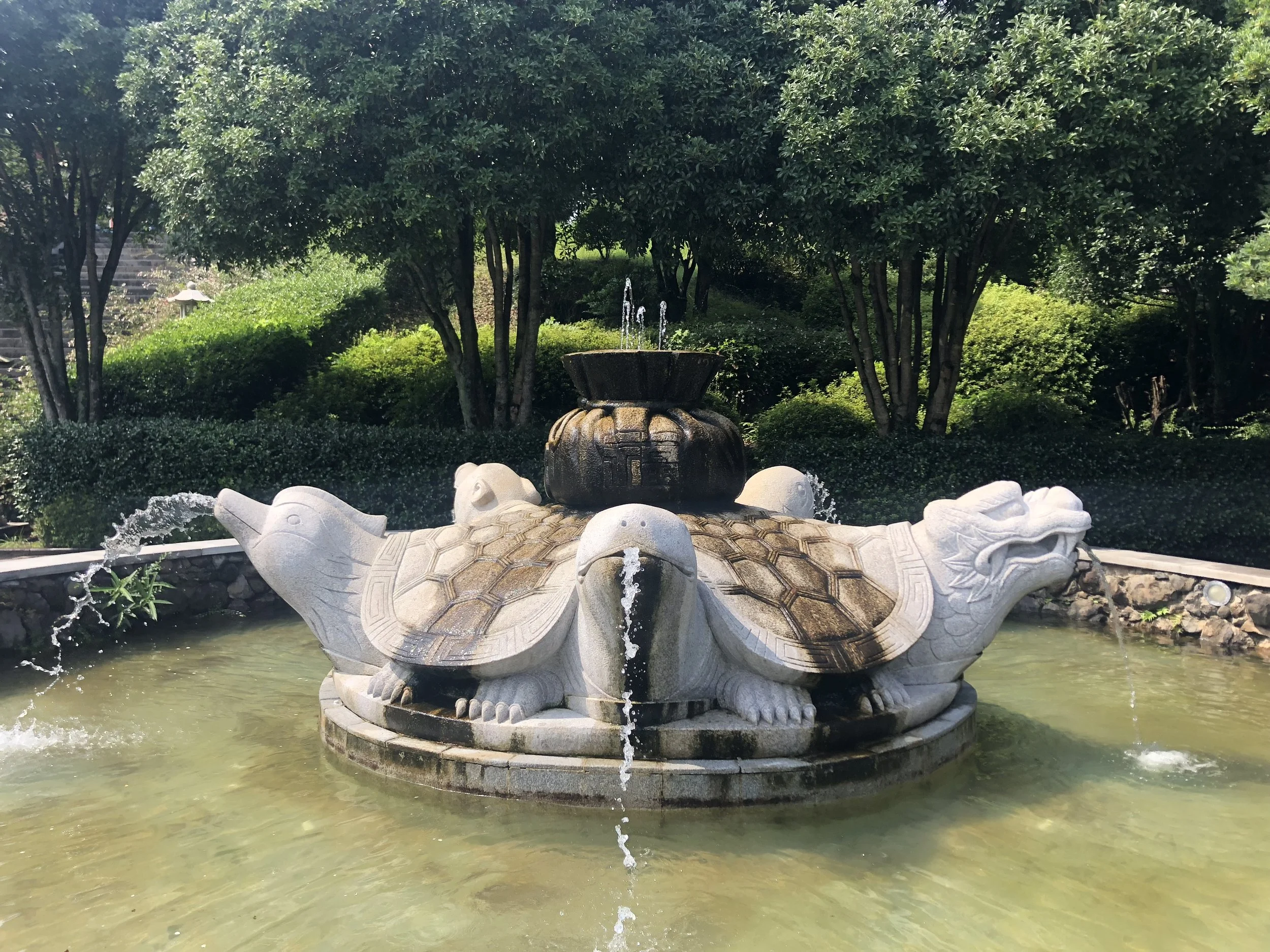
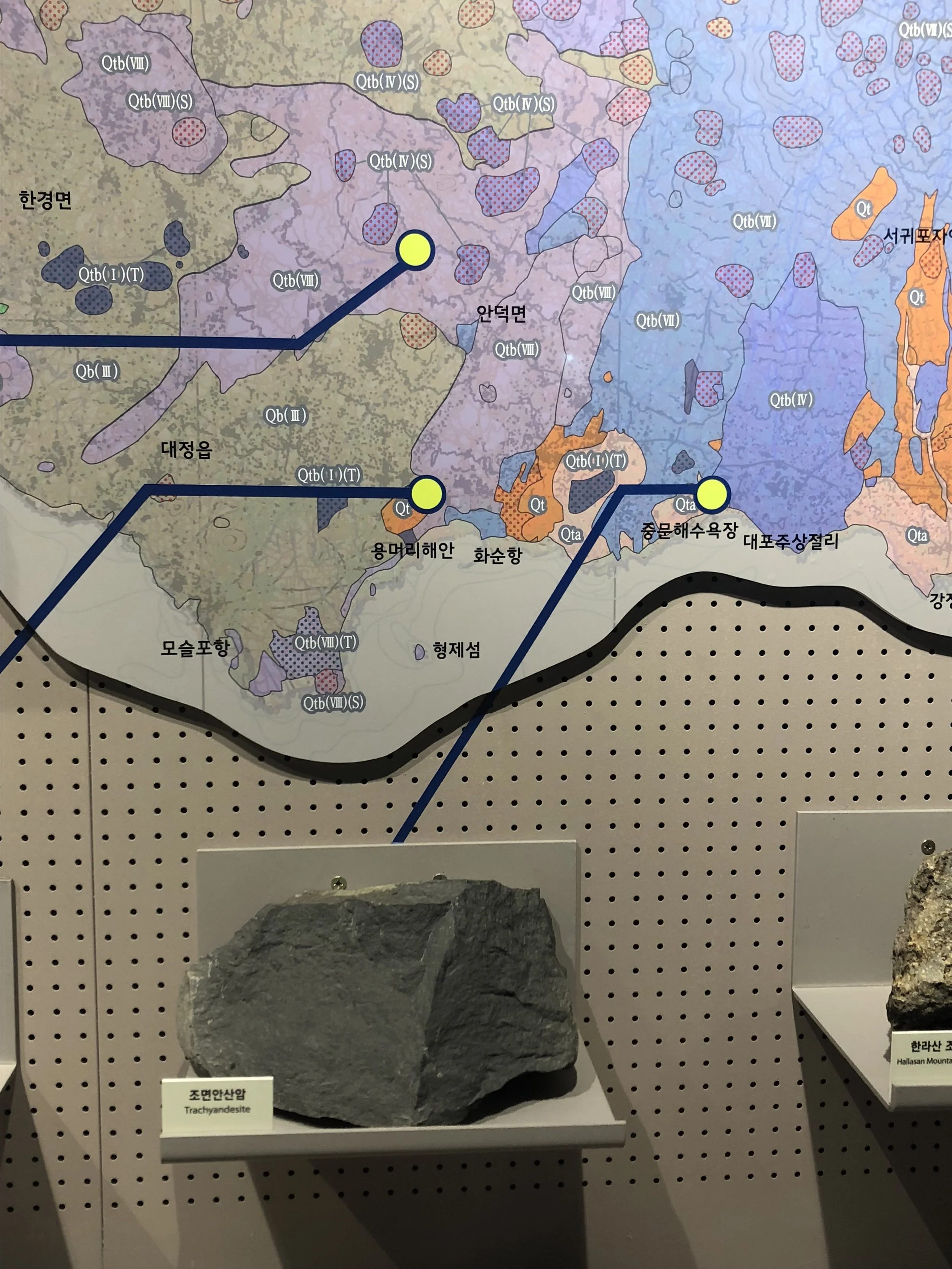
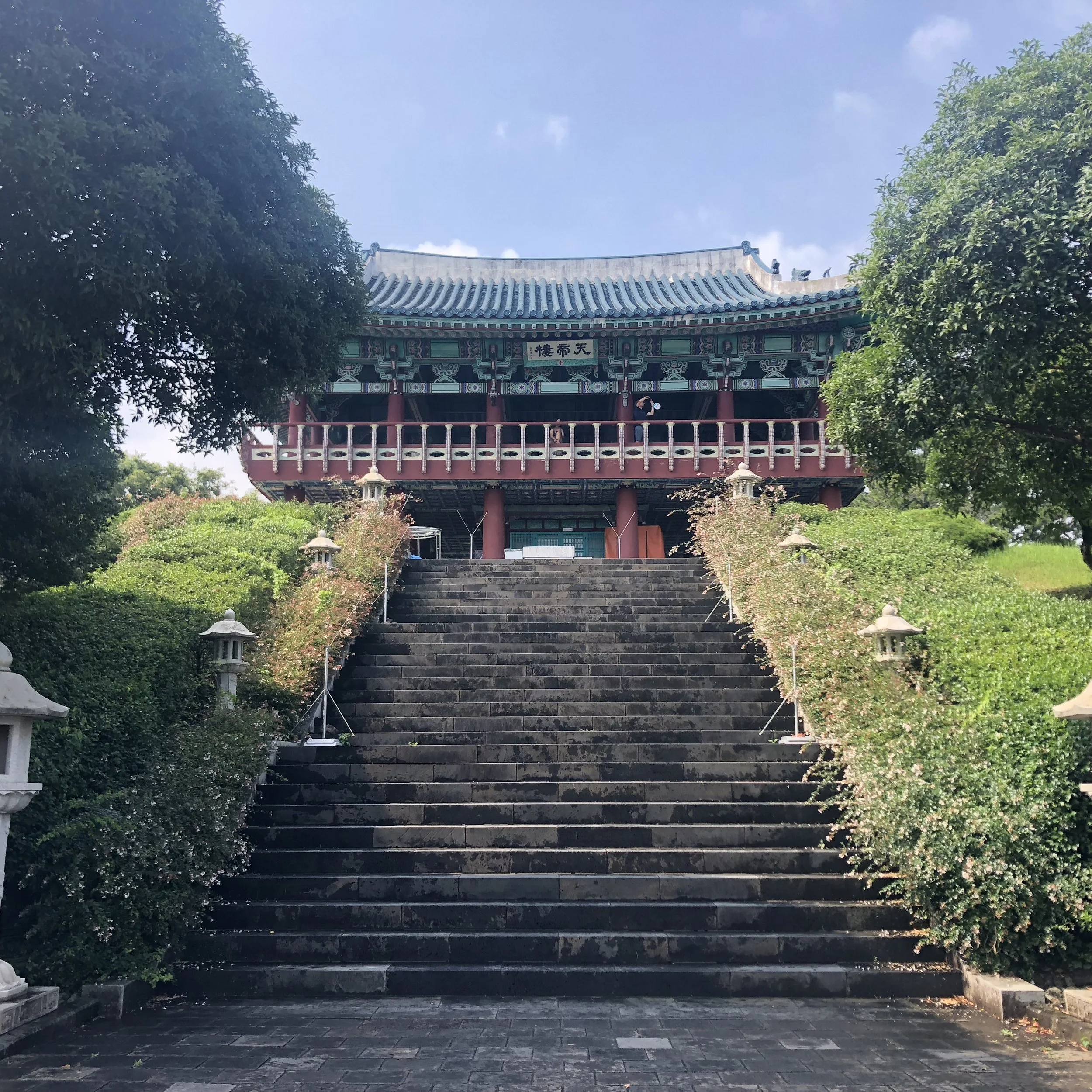
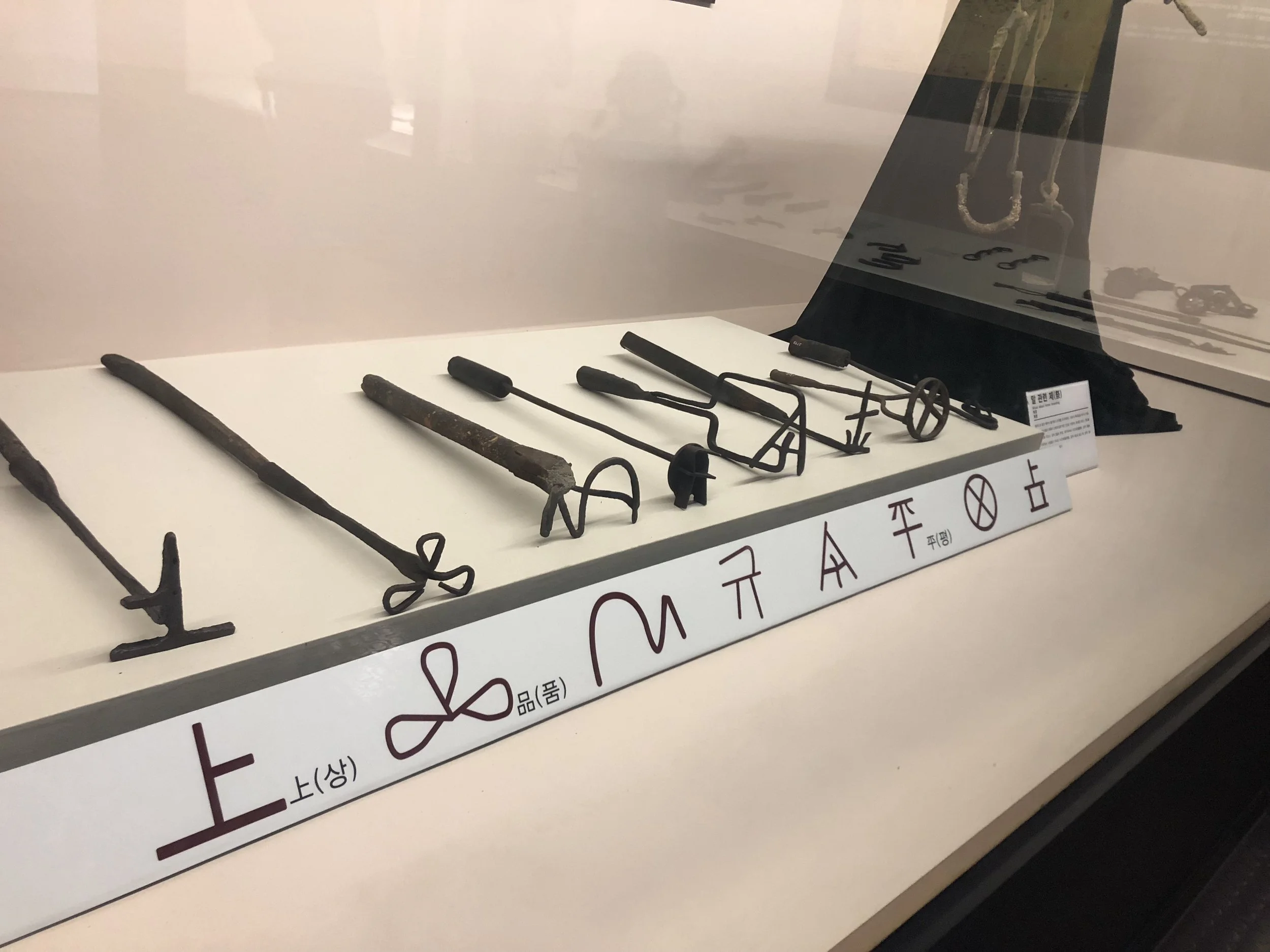
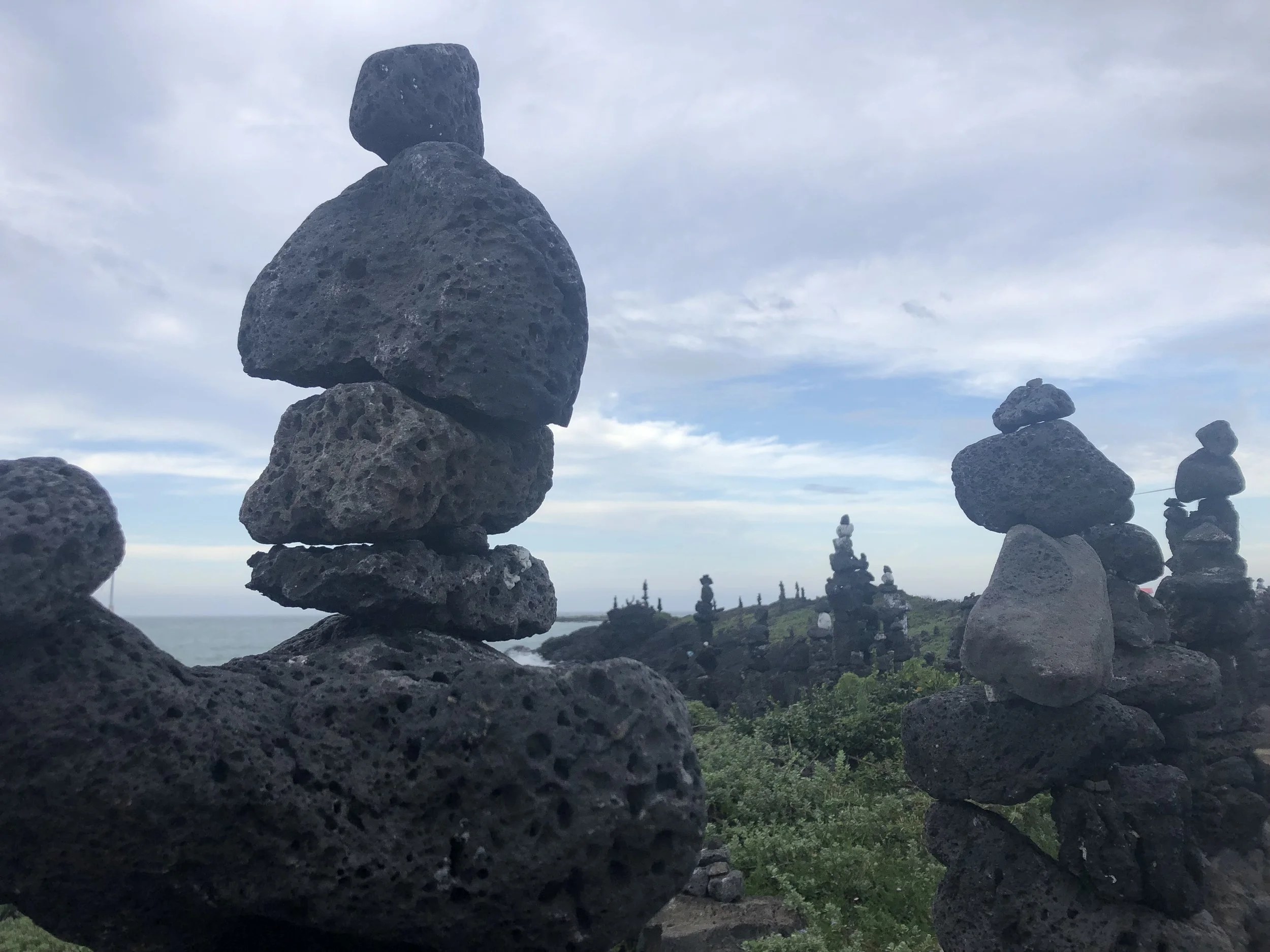
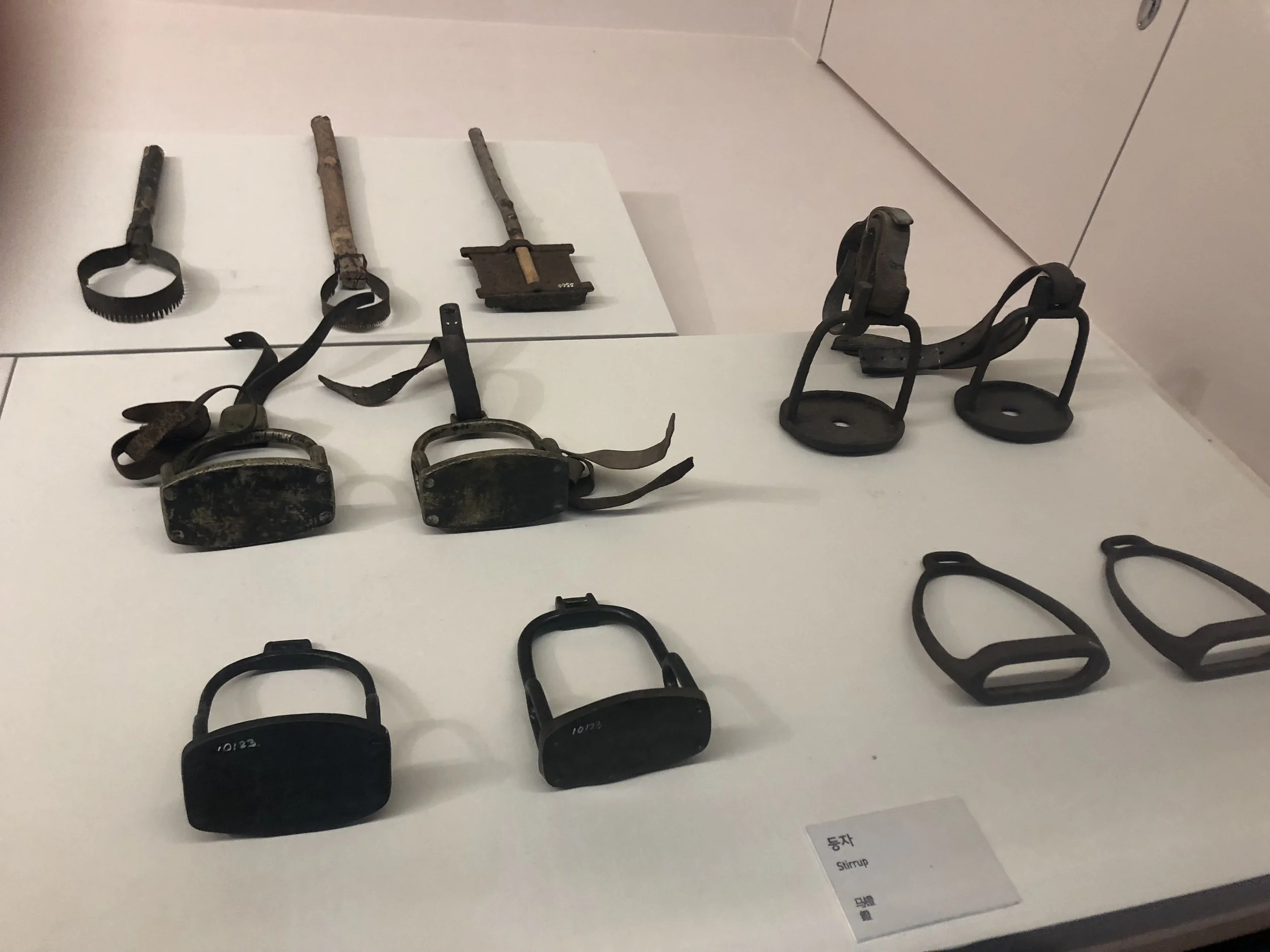
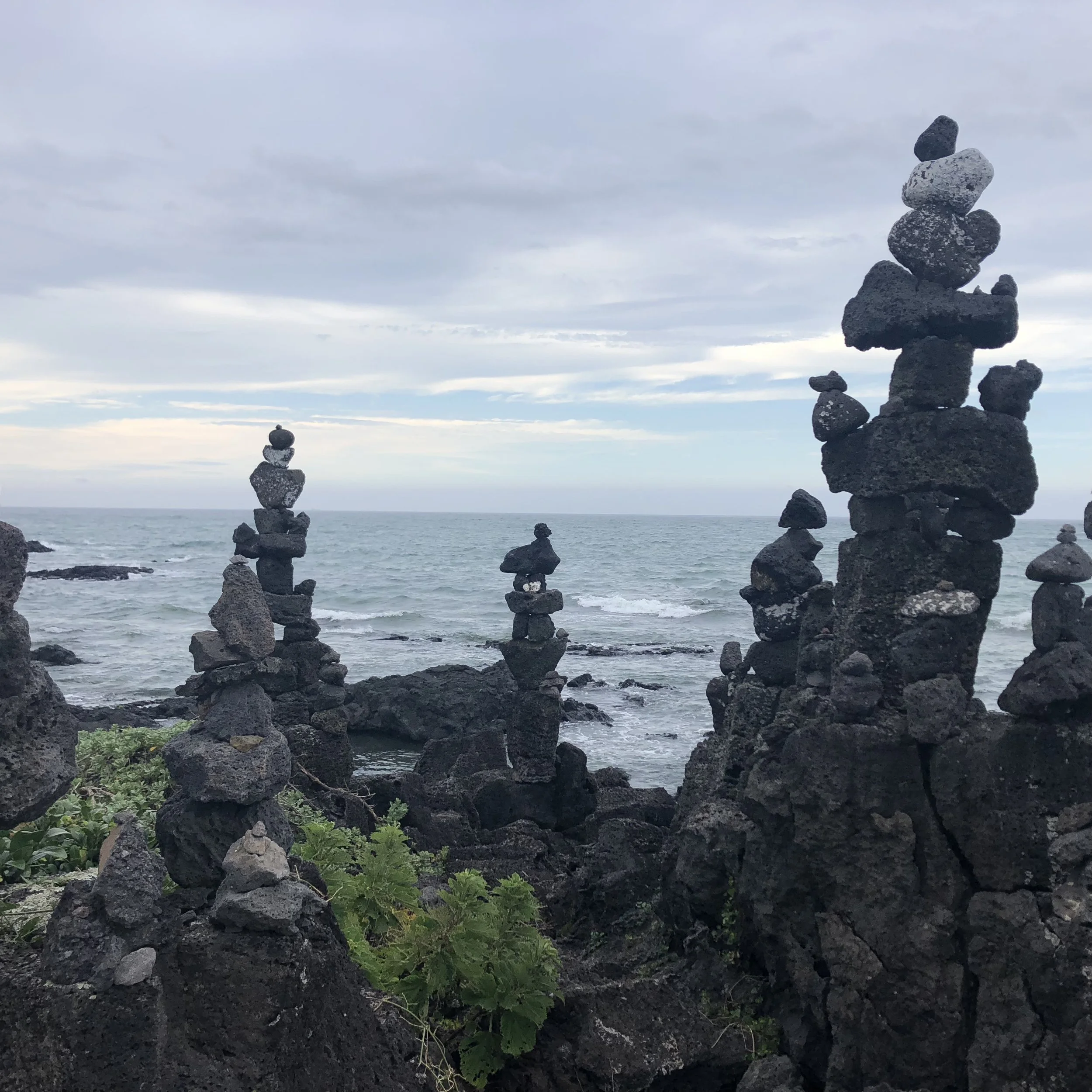
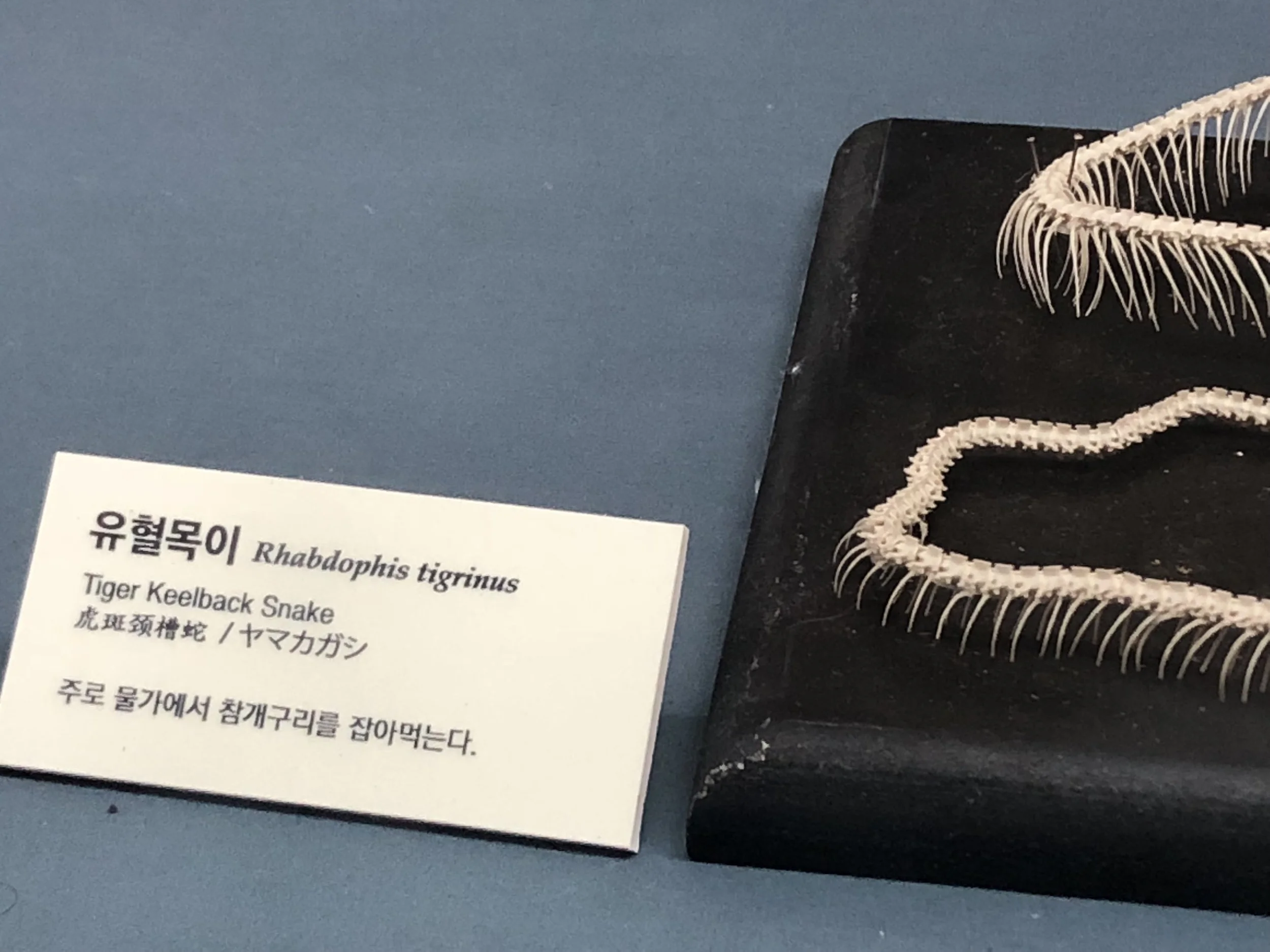
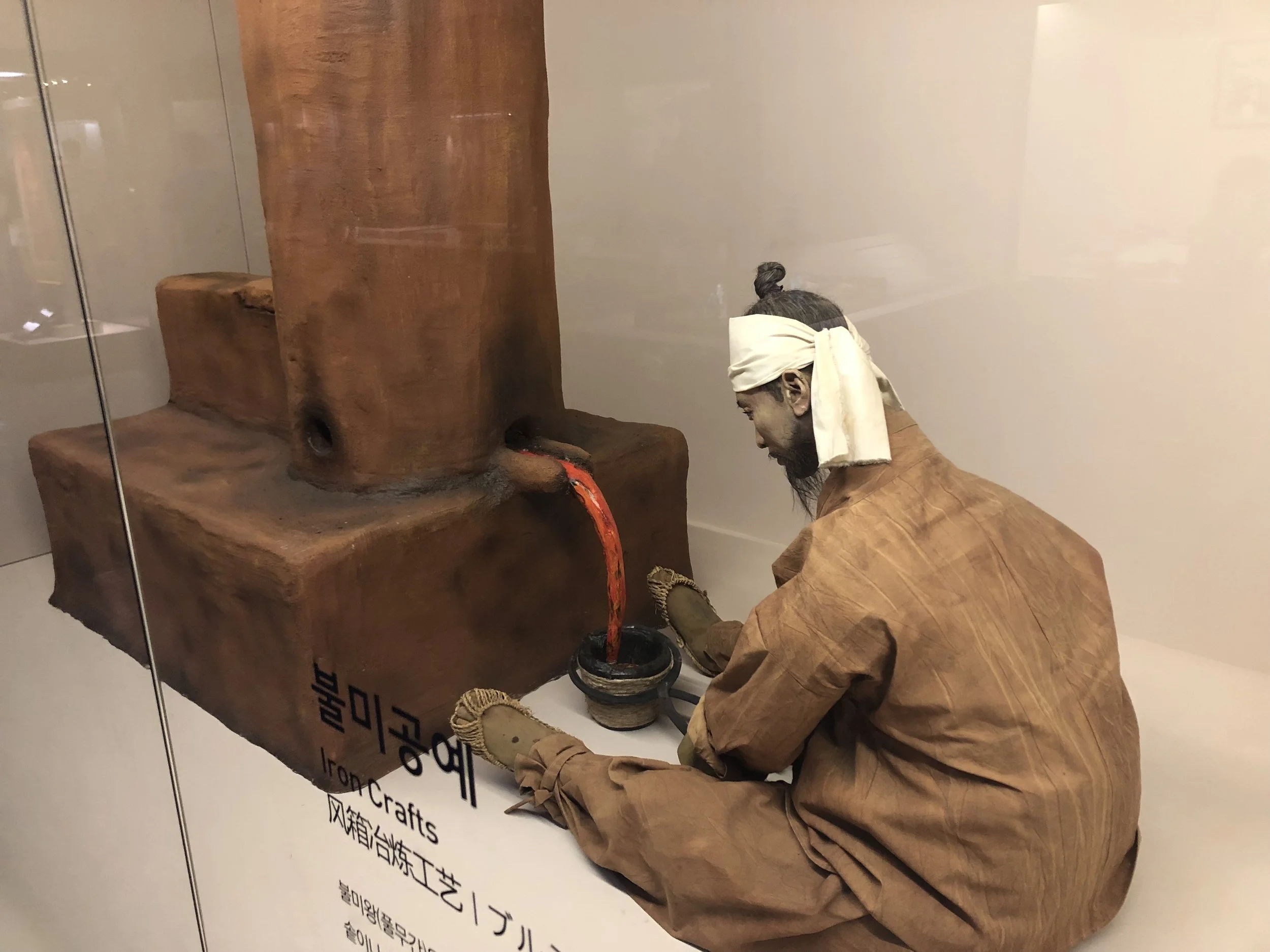
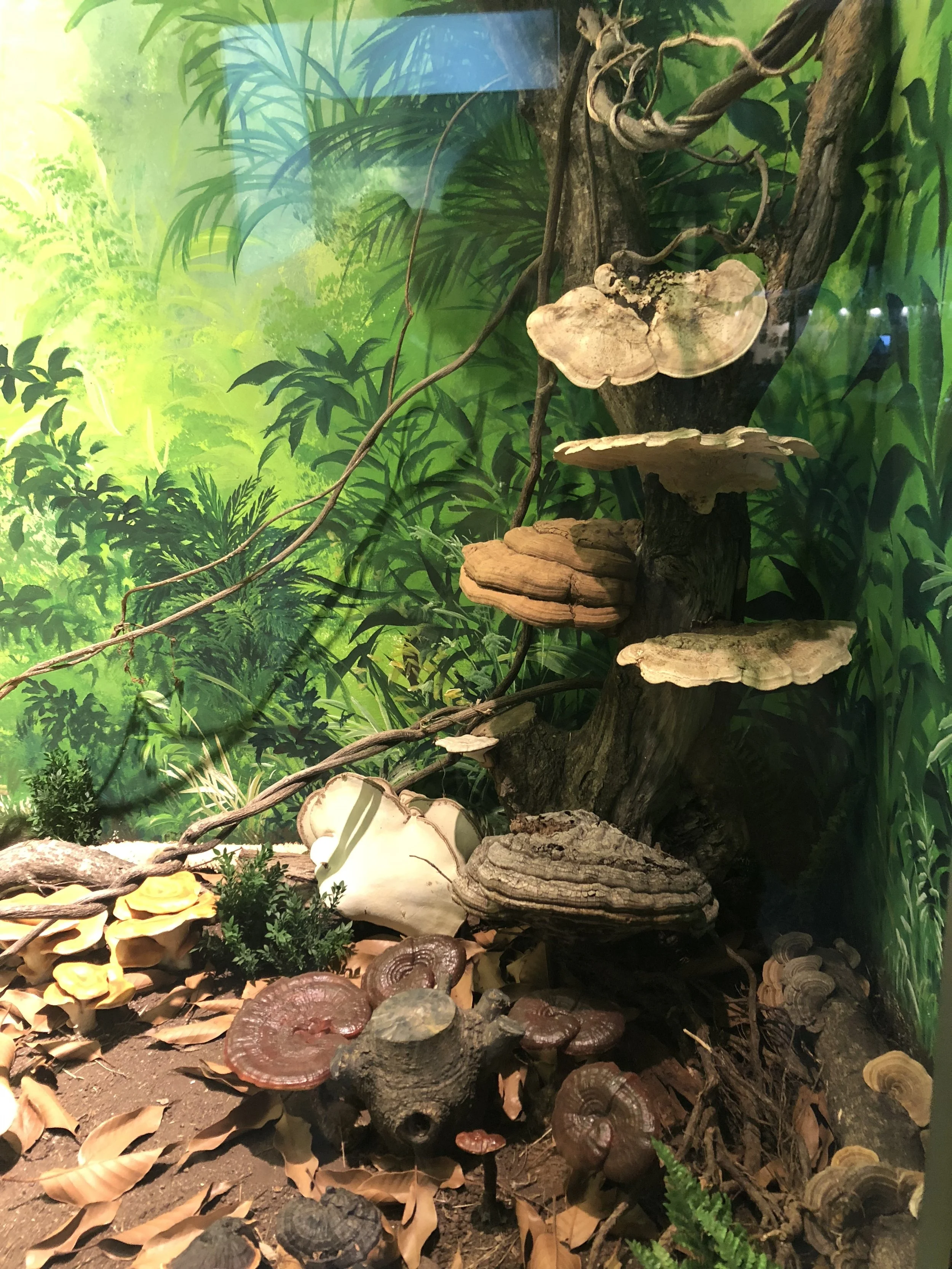
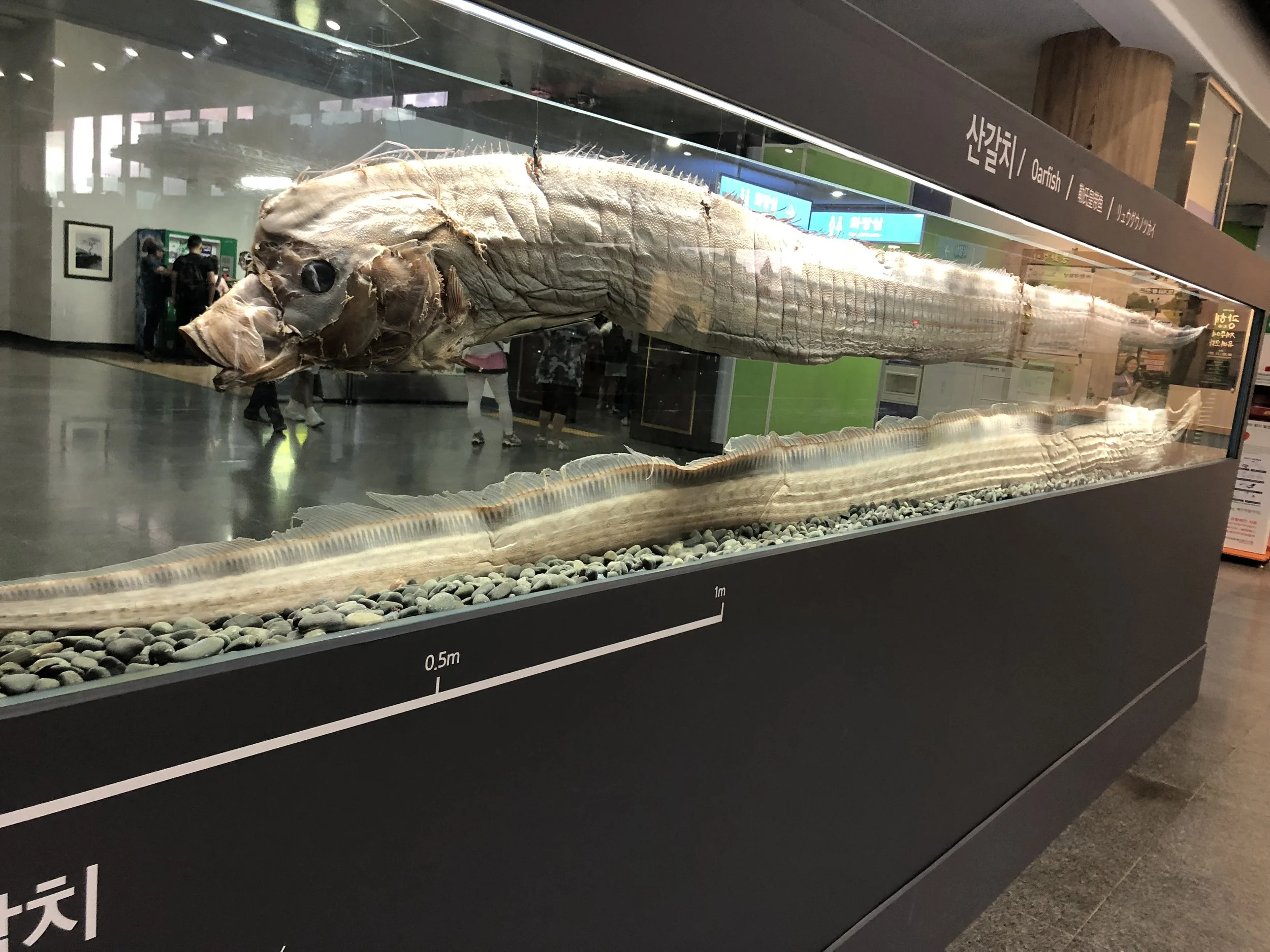
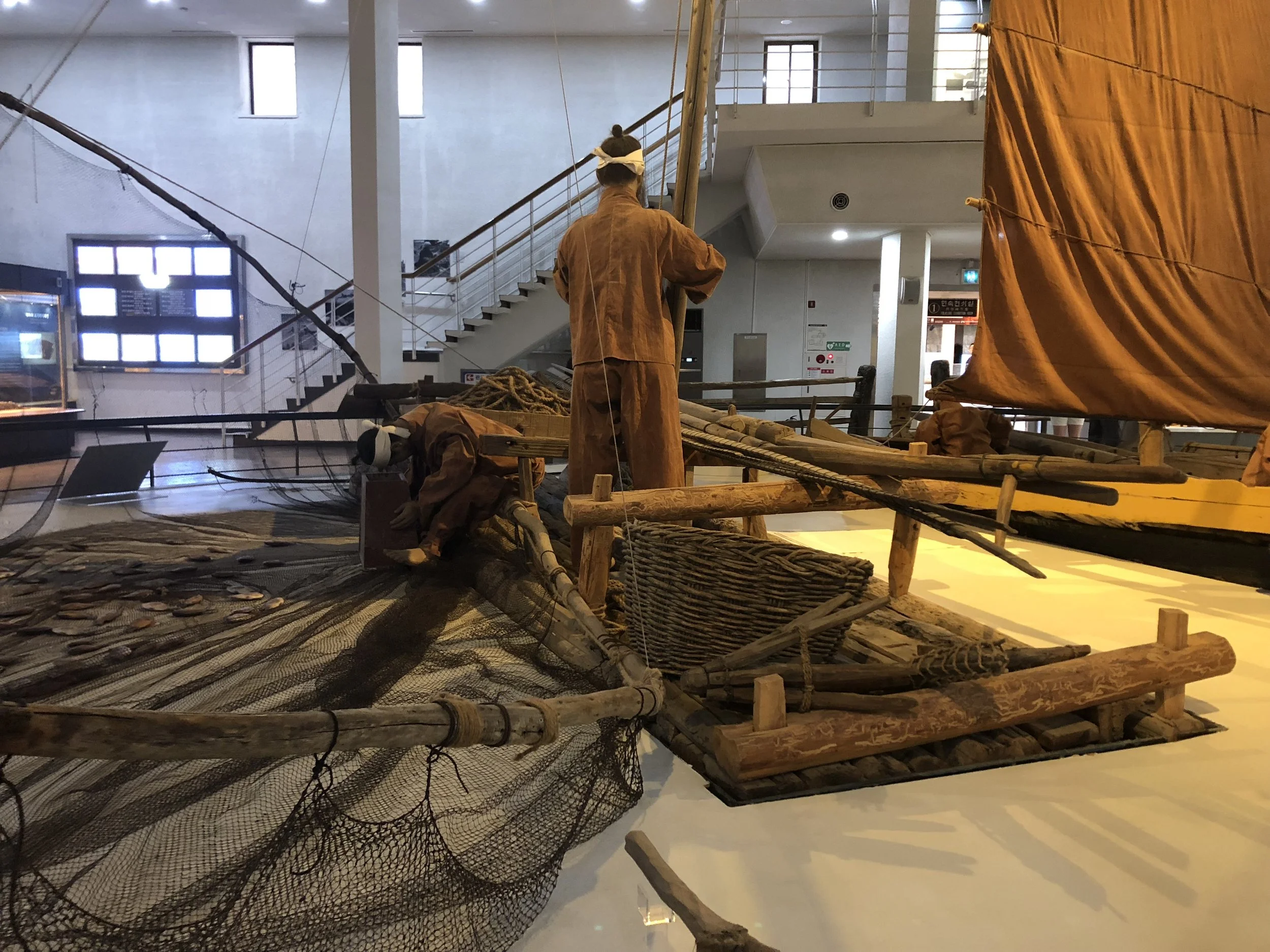
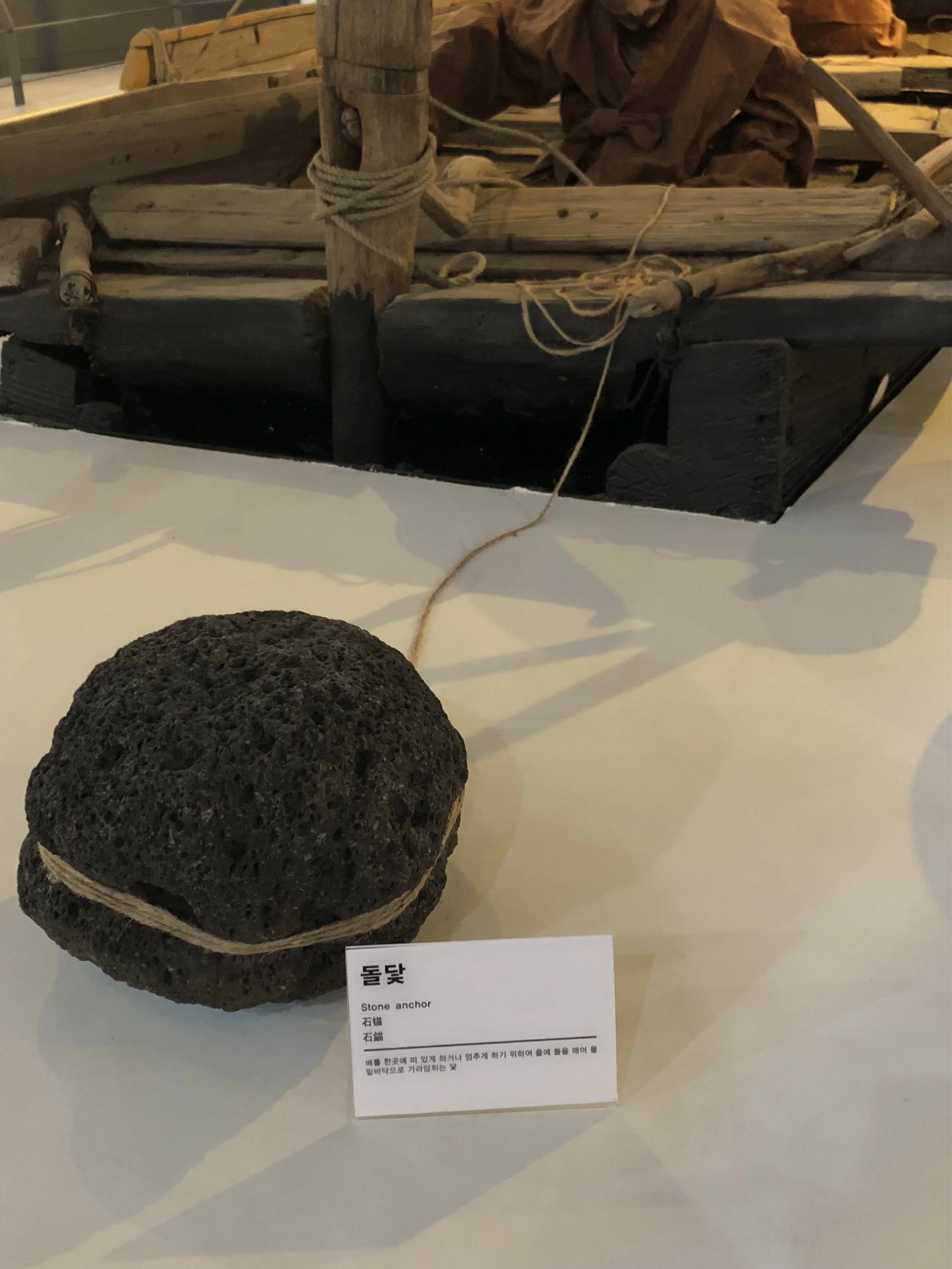
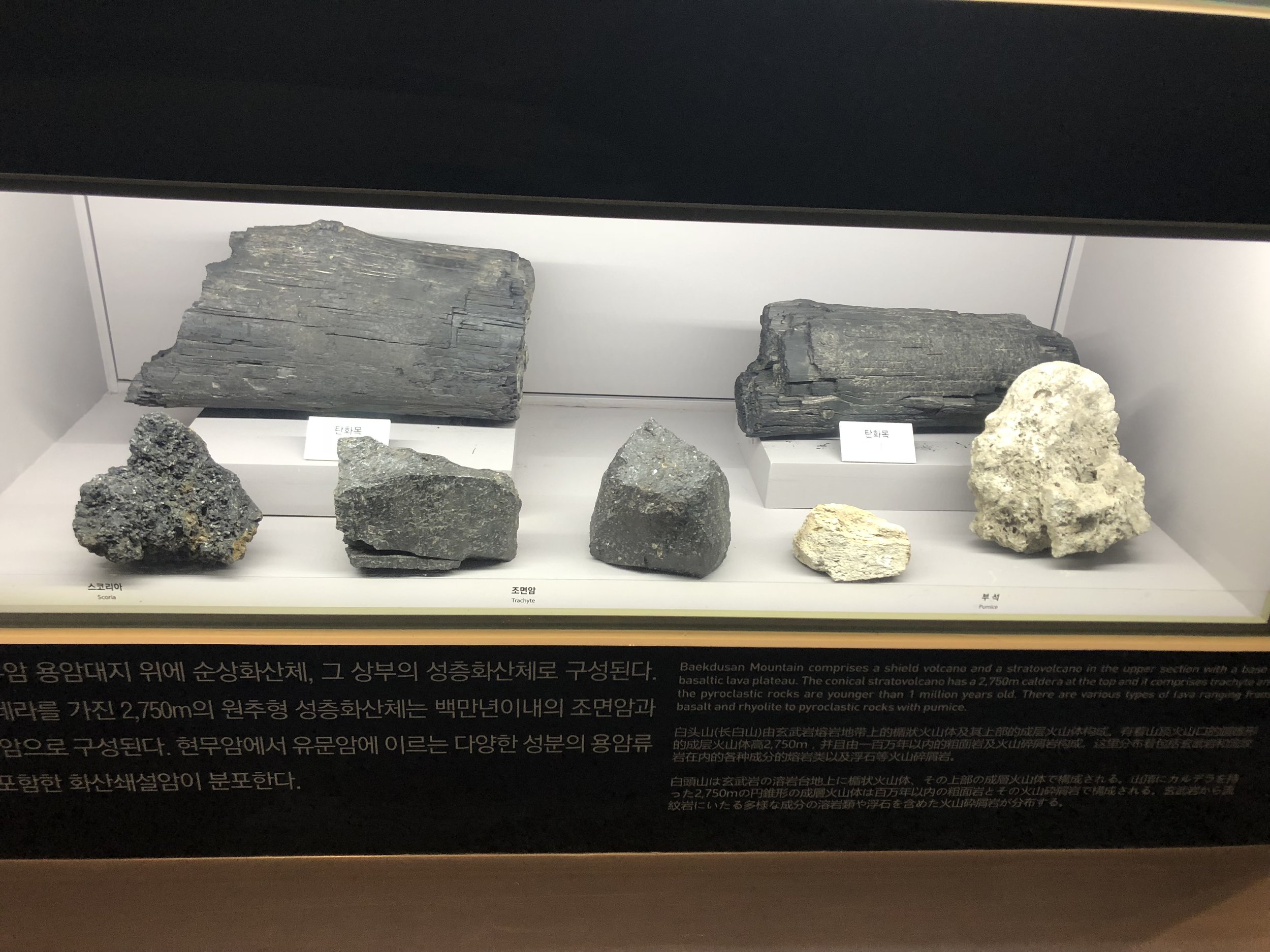
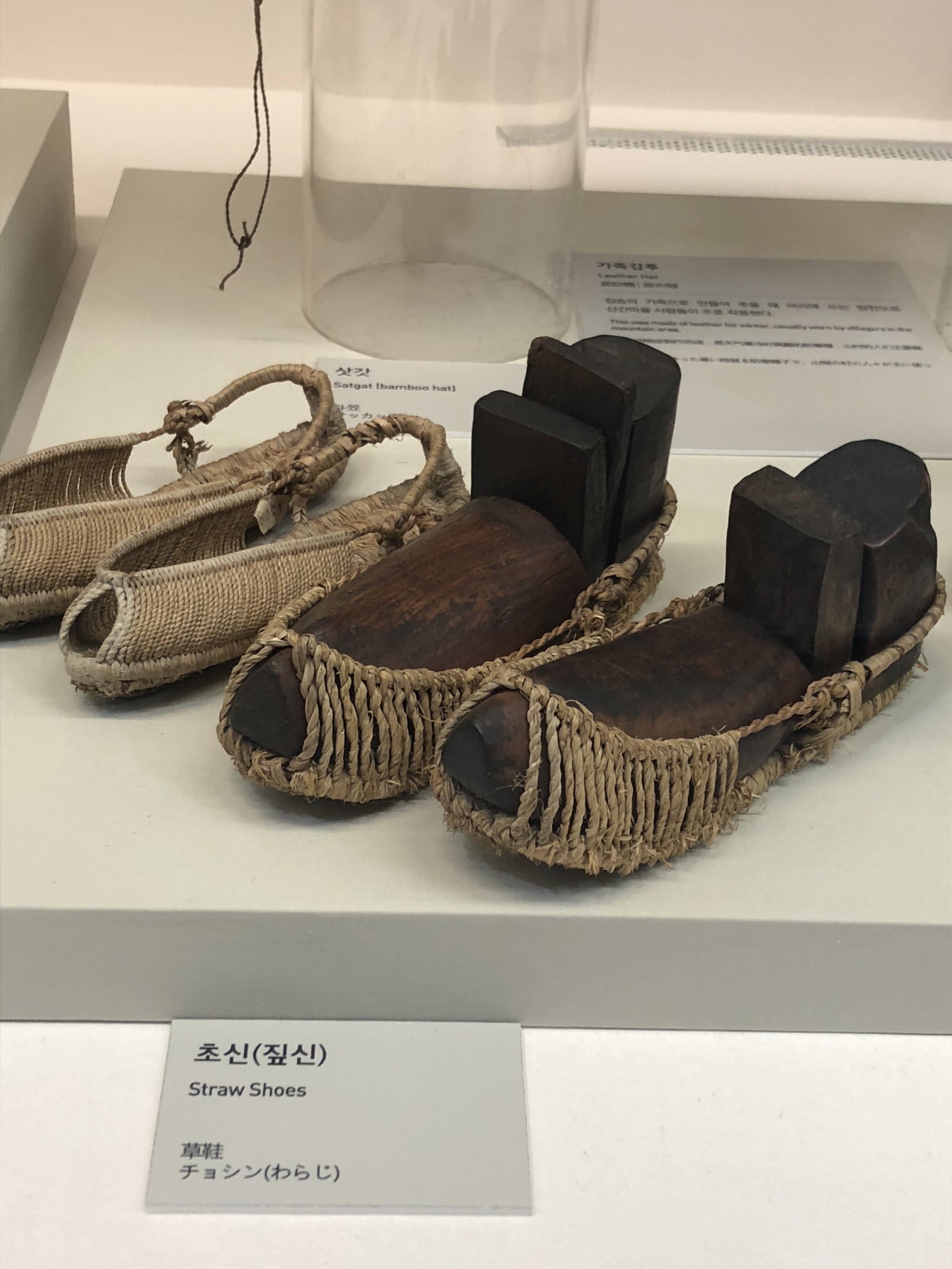
With Kimmerer’s beautiful words in mind, I found myself attempting to note down the interplay between the landscapes I was encountering and the atmosphere, mood and tone of the manuscript I was trying to write. I found myself trying to understand my characters, their lives, and what they would’ve understood about their world organically.
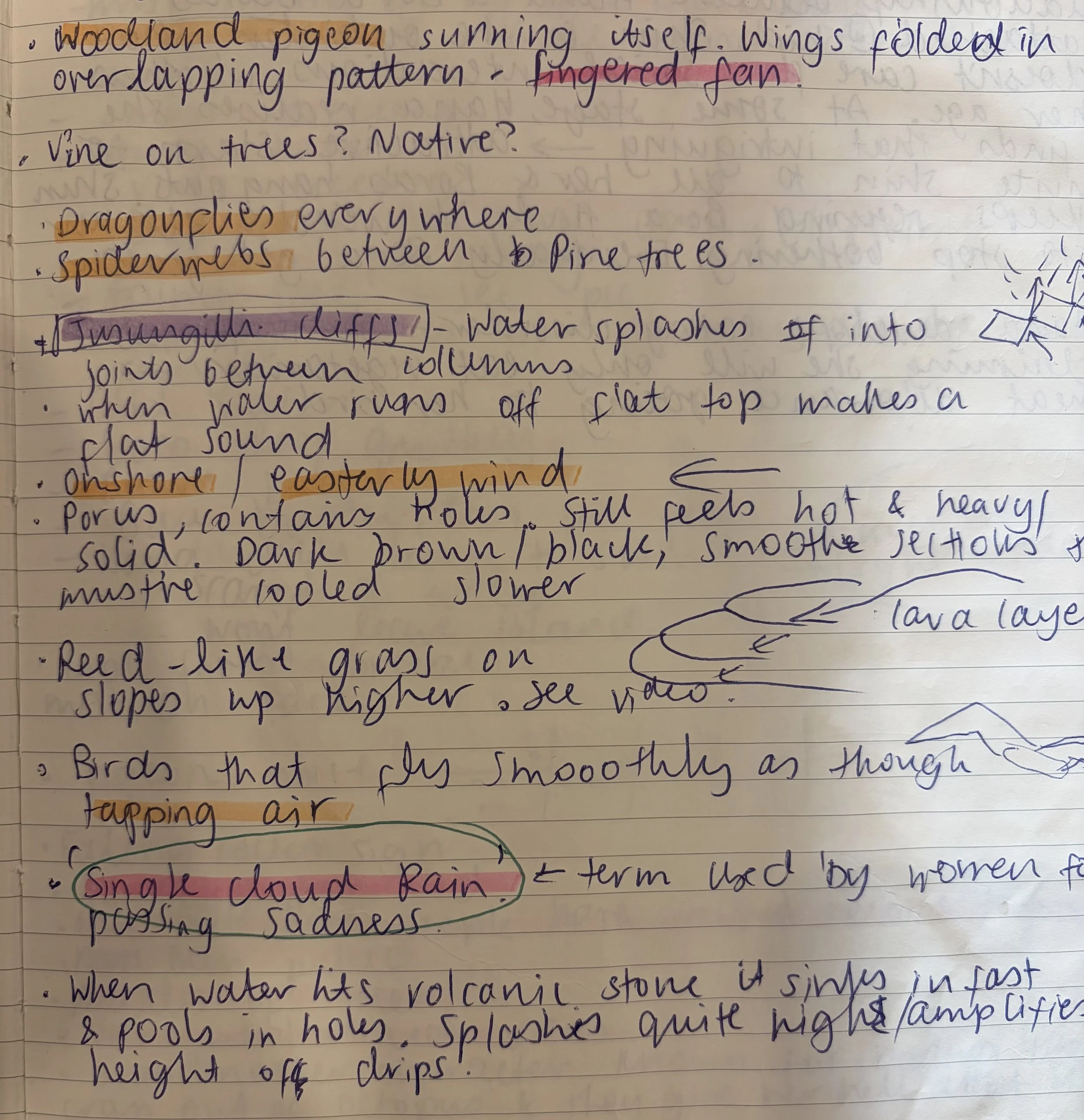
Pictured below are samples from my notebook, which show my extremely ungainly attempts to capture the essence of my surrounds. I was in a state of deep meditation for most of this trip. Everything felt like a divine source of intrigue, inspiration, hidden potential and meaning.
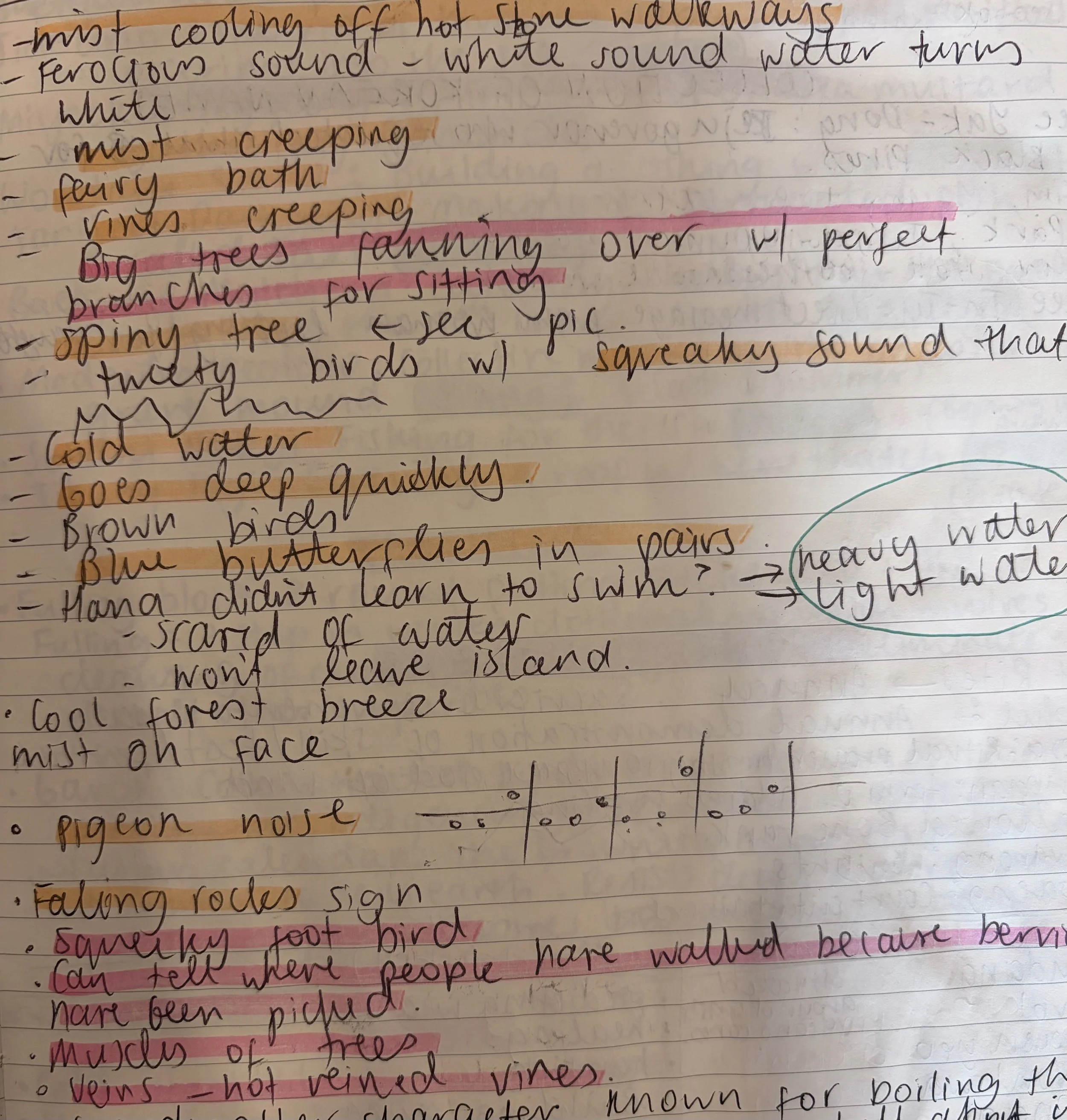
Circled below is a note I made about a weather event we kept experiencing on the coast - short bursts of “single cloud rain”. This struck me as an opportunity to create a colloquialism in the book - a saying to describe ‘passing sadness’.
My notebook was filled with ideas like it.
SECONDARY SOURCE MATERIAL
After absorbing as much as I could on location, I returned home and began reading through secondary source material on the early history of Korea, starting with translated versions of the Samguk Sagi “History of the Three Kingdoms”.
The Samguk Sagi is the oldest surviving chronicle of Korean History, commissioned by the Korean government. It was written in Classical Chinese, the language of the literati at the time. It has been translated into English by the following scholars:
Translation of Silla Annals:
Shultz, Edward J.; Kang, Hugh H.W.; Kane, Daniel C. (2012). 'The Silla Annals of the Samguk Sagi. Seongnam-si: The Academy of Korean Studies Press
Translation of Goguryeo Annals:
Shultz, Edward J.; Kang, Hugh H.W.; Kane, Daniel C.; Gardiner, Kenneth H.J. (2011). 'The Koguryo Annals of the Samguk Sagi. Seongnam-si: The Academy of Korean Studies Press
Translation of the Baekje Annals:
Best, Jonathan (2007). A History of the Early Korean Kingdom of Paekche [Baekje], together with an annotated translation of The Paekche Annals of the Samguk Sagi. Harvard East Asian Monographs. Vol. 256. Harvard University Asia Center
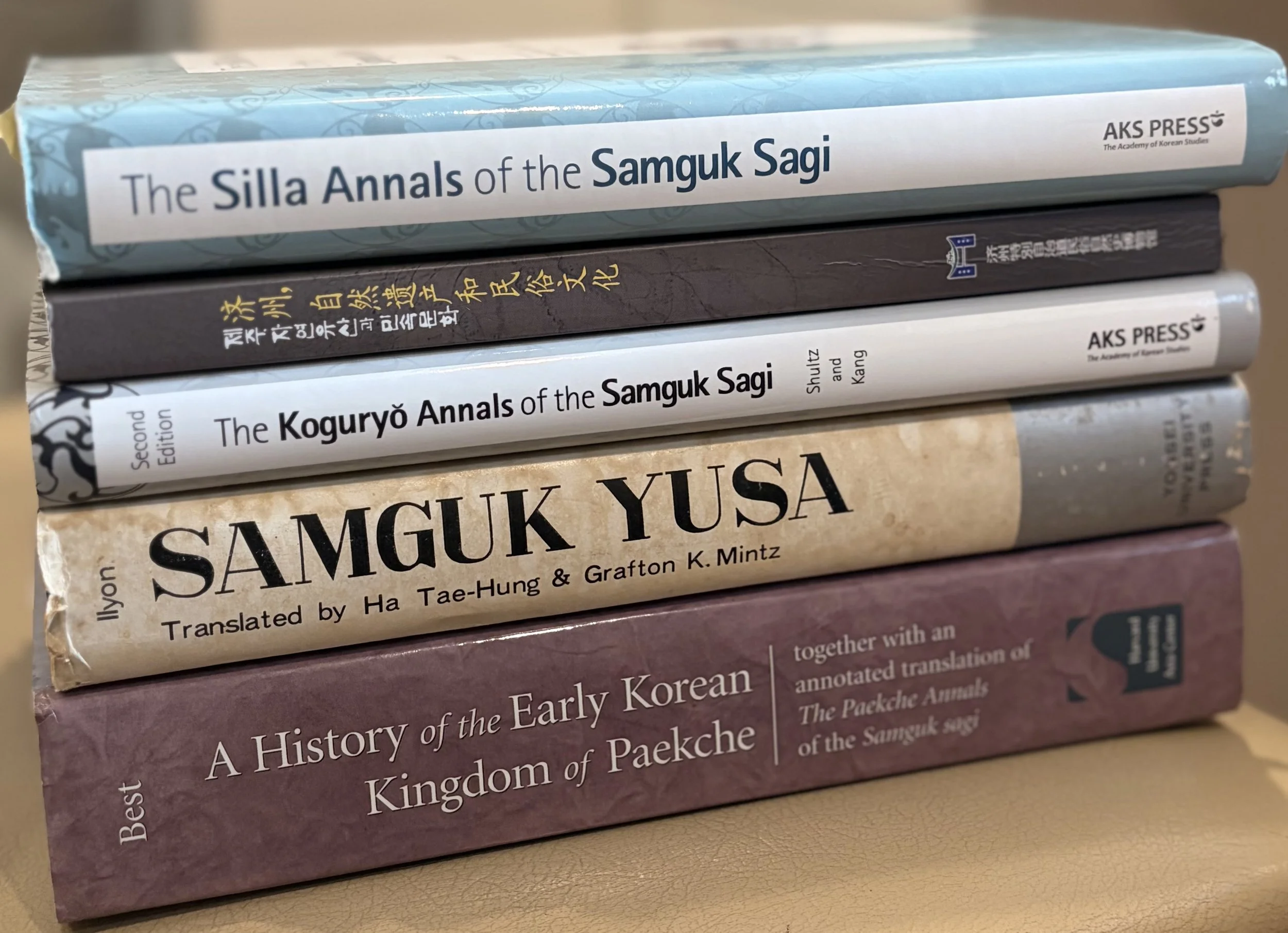
After reading these books, I began to understand the political climate of the Three Han (Three Kingdoms) - their key political players and lines of succession, major battles and conquests, war strategies, shifting alliances, betrayals, strategic relations (Tang Dynasty and Wa Archipelago).
Key takeaways included:
How resources, power, and religion were institutionalised.
How wealth was dispersed through taxes and tributes.
How the penal system functioned.
How cultural beliefs were a reflection of the time.
Below are the extracts from the historical records which directly influenced the FEUDAL POLITICS in When the Blue Moon Wakes:
Year 653CE[ls1] . 13th Year. Spring. “There was a great drought and the people starved.” – Samguk Sagi, The Annals of King Ŭija
“…so the people starved and many fled to Silla.” - pg. 281, Baekje Annals of the Samguk Sagi
“With our blood, sweat, money and rice, let’s try our best for our brothers who are entering the agwido…” – Shantytown villagers on the starving people entering a state of the living dead. Source: Tonga ilbo Note: Here the myth of the Agwi was born from the starvation of villagers throughout Korean history.
“Bandits arose in great numbers due to the drought.” – pg. 313, The Paekche Annals of the Samguk Sagi
“The Celestial River. Four stars of Serpens, crossing the island in the Silver River of Heaven (a rift in the Milky Way).” – A Korean Star Map, pg. 321, W. Carl Rufus & Celia Chao *Note: Referenced by the character of Bora
“… in the four quarters of the great King’s domain lie mountains, hills, rivers and oceans. These are heaven-wrought defences, not the mere creation of human construction.” – Torim on the former placement of the Baekje capital before it was moved to Sabi for proximity to creature comforts and the rich agricultural lands of the coastal plain. Note: Historical reference to Sabi’s defensive weaknesses which are also alluded to by Bora.
“They [Silla and Paekche] will give each other relief in calamity and aid in disaster, with the bonds of indebtedness of brothers… Hence, they will make an iron covenant written in gold and preserve it in the royal ancestral shrine so descendants for myriad generations or dare not violate it. Should one waiver in this virtue and breach the covenant, the all-knowing Gods will be watching and rain down hundreds of calamities upon them.” – from the Silla Annals of the Samguk Sagi
“By first praying to the deities of heaven and earth as well as to the deities of the streams and valleys, they then smeared their lips with blood and concluded: each [Silla and Baekje] will free themselves from the emotion of the past…” – from the Silla Annals of the Samguk Sagi.
“In times long past, the Three Kingdoms of the land east of the sea were founded and their borders established – in truth, the territories lie as close to one another as the teeth of a dog… Consequently, the lives of the people of the Three Han have been placed upon the chopping block of strife.” – Words of the Emperor KaoTsung, verbatim from the Chiu T’ang Shu
“Year fourteen [553], autumn, seventh month. Silla took Baekje’s northeastern periphery. The great betrayal leading to a major watershed in the kingdoms history.” – pg. 125 – 149, The Silla Annals of the Samguk Sagi
“Year fifteen [554], autumn, seventh month. Paekche attacked Mount Kwansan Fortress… Not a single horse returned.” – Silla Annals record of their brutal loss at Kwansan
“When deploying an army, you should carefully choose your ground and [when engaged in River warfare] you should hold the upstream position in order to retard the enemy’s approach.” – Advice to the King from the exiled and Chwap’yǒng Sǒngch’ung in prison.
“… The first twelve months of Ŭija’s reign were troubled. [He] witnessed both the death of his mother, Mu’s Queen, and a challenge to his authority that resulted in the banishment of several members of the royal family as well as some forty other nobles and officials.” – A History of the Early Korean Kingdom of Paekche, pg. 182
“… he died after sending a memorial to the throne advising the fortification of the mouth of the Paek-Kang at Kibolp’o against the coming of a Chinese fleet and the strengthening of fortifications at T’anhyon along the border with Silla, but the dissolute King paid no head to this prophetic advice... Meanwhile the Silla Army crossed the sky-kissing mountains through the high pass of T’anhyon.” - pg. 68, Samguk Yusa: Legends and History of the Three Kingdoms of Ancient Korea
MYTH and SUPERSTITION
Example extracts from the records which directly influenced my magic system (matrilineal powers)
“… red vapours (ki) rendered English as pneumas or auras was commonly interpreted as an omen of the spilling of blood.” – pg. 222, the History of the Early Korean Kingdom of Paekje
“In the sixth moon [of the month of 660] … a turtle with ten characters carved on its back read, ‘Paekche is a round moon wheel, Silla is a new moon.’ The King called for a fortune-teller and asked him what the inscription meant. The aged soothsayer replied: ‘Round moon wheel means a full moon, which is about to wane (Baekje), the new moon will grow larger and larger night-by-night (Silla).’ The King was angry and had to the fortune-teller put to death.” - Samguk Yusa: Legends [ls1] and History of the Three Kingdoms of Ancient Korea, pg. 67
*Note: This is the wording of the real prophecy as written in the ancient texts
Example extracts from the records outlining PATRIARCHY, MATRIARCHY and GENDER ROLES which directly influenced the key elements of Shin’s heroine’s journey, coming-of-age, and matrilineal powers:
Meanwhile, in Silla “[The Queen] exempt taxes for one year.” – pg. 148, The Silla Annals of the Samguk Sagi
“According to the laws of heaven, yang is firm and yin [eum] is gentle. And according to the laws of man, man is honourable and woman is demeaning.” – pg. 150, The Silla Annals of the Samguk Sagi
“[He expressed] his concern that Silla’s troubles might be partly attributable to the kingdom then being ruled by a woman, and consequently lacking the respect of its neighbours.” – pg. 195, A History of the Early Korean Kingdom of Paekche
“A hen does not announce the morning.” – Shijing on female rulers, Samguk Yusa, part 5, book 2, verse 5
“An emaciated sow still seeks to romp around.” – Yiying (Book of changes), Samguk Yusa, pg. 157
“How can one permit an old woman to leave the woman’s quarters and determine the governmental affairs of the state? Silla, helping a woman to rise to occupy the Royal throne, as a product of an age of unrest.” – pg. 157, The Silla Annals of the Samguk Sagi
“Listen! On the frontier between Silla and Koguryo, there is a river that flows backwards.”
“Look here! Why does the water of this river flow backwards, upside down and inside out? Why do they call it Ungia-su (Male and female water), while all other streams are called Jaung (female and male water)?”
“Your Majesty,” replied the Soothsayer, “The Queen acts against the natural course of urn (yin) and yang, and the abnormal situation in the royal bedchamber is reflected on the mirror–like surface of the river.” - Samguk Yusa, pg. 62
WHAT’S NOT WRITTEN IN THE SAMGUK SAGI
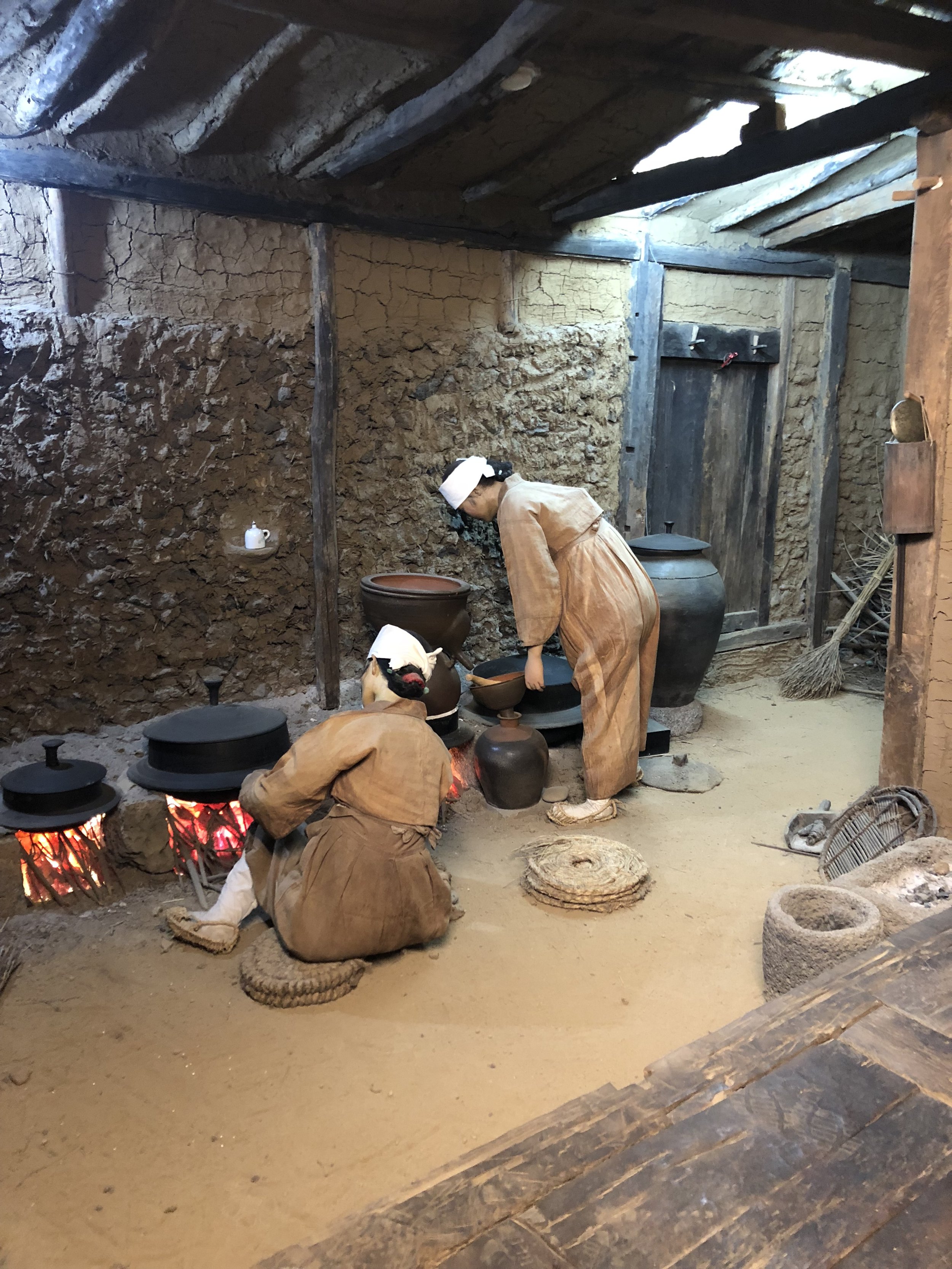
The experience of the common people was mostly left out of the annals, having been commissioned by the government and documented by the literati at the time. And since very little archaeological evidence has survived, I had to turn to the better-preserved Joseon period for clues.
The following reference journals were highly informative during this research phase. A huge thanks to these scholars!
The Organisation of Korean Historians, 2014, Translated by Michael D. Shin and Edward Park, Everyday Life in Joseon-Era Korea – Economy and Society, Global Oriental
Shin, Myung-ho & Atkinson, Timothy V. 2004, Joseon royal court culture: ceremonial and daily life / by Shin Myung-ho ; translated by Timithy V. Atikinson. Dolbegae Paju-si, Gyeonggi-do
Thorne, L. (2026) The Silla Kingdom: unearthing the Wealth, Rituals and Cross-Cultural Networks of the Silla Dynasty, Avalos Estaban Salinas
Creating the epic fantasy world of When the Blue Moon Wakes has been a labour of love. Through peeling back layers of potential story hidden in the Korean landscape, processing and interpreting recorded data, and integrating those experiences and learnings into Shin-young’s heroine’s journey, writing this trilogy has been an intense, yet truly fascinating experience.
